Improving Antenatal SGA Detection with Liberal Biometrics
Improving Antenatal SGA Detection with Liberal Biometrics
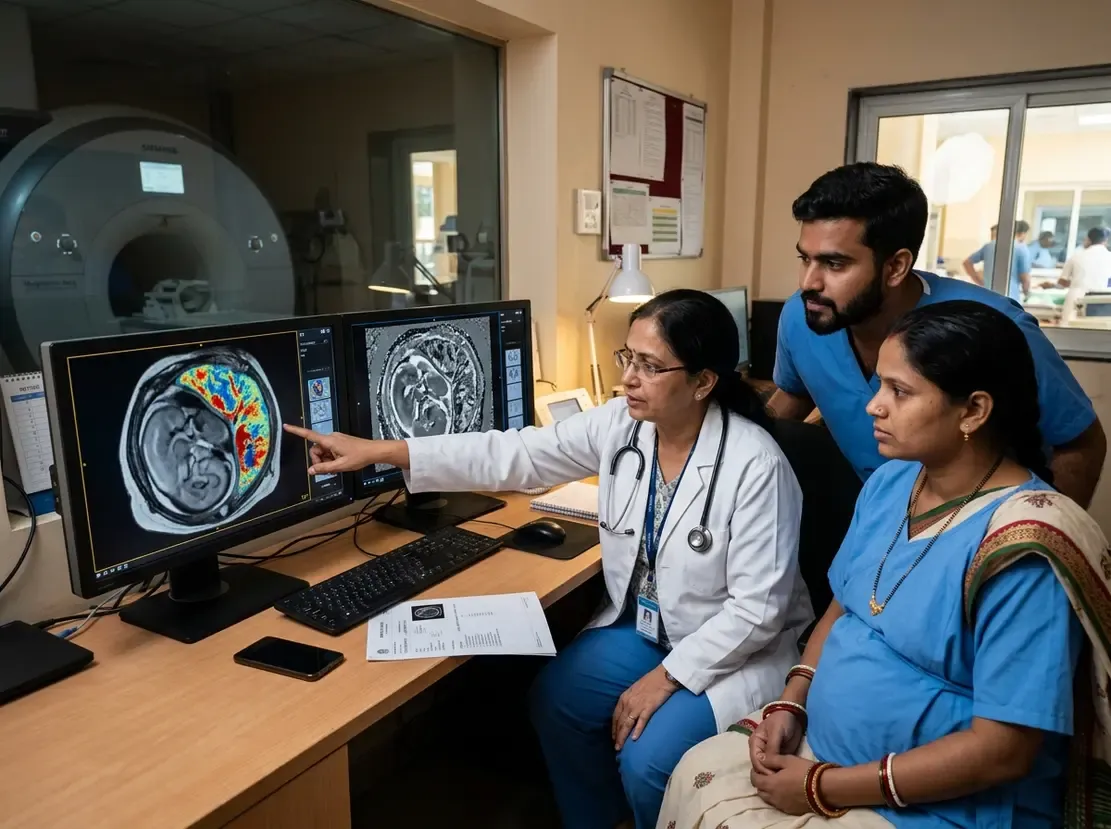
Accurate antenatal SGA detection remains a pivotal goal in modern obstetric care. In fact, undetected small-for-gestational-age fetuses face elevated risks of perinatal morbidity and mortality. Consequently, screening pathways seek sensitive ultrasound thresholds without causing excessive interventions. Therefore, a new prospective cohort study nested within the DESiGN trial evaluates whether more liberal biometric criteria improve detection.
Biometric Criteria and Antenatal SGA Detection
Traditional screening guidelines usually rely on an estimated fetal weight below the 10th percentile. However, this strict threshold often misses growth-restricted fetuses who experience adverse perinatal events. In contrast, liberal biometric criteria evaluate broader thresholds, such as the 15th percentile of abdominal circumference. Furthermore, adjusting these cutoff parameters can significantly alter clinical detection sensitivity. Clinicians must balance higher sensitivity against the potential risk of false-positive diagnoses. Therefore, researchers conducted this analysis to test whether relaxed parameters provide measurable clinical value during selective screening.
Key Findings from the Nested DESiGN Cohort
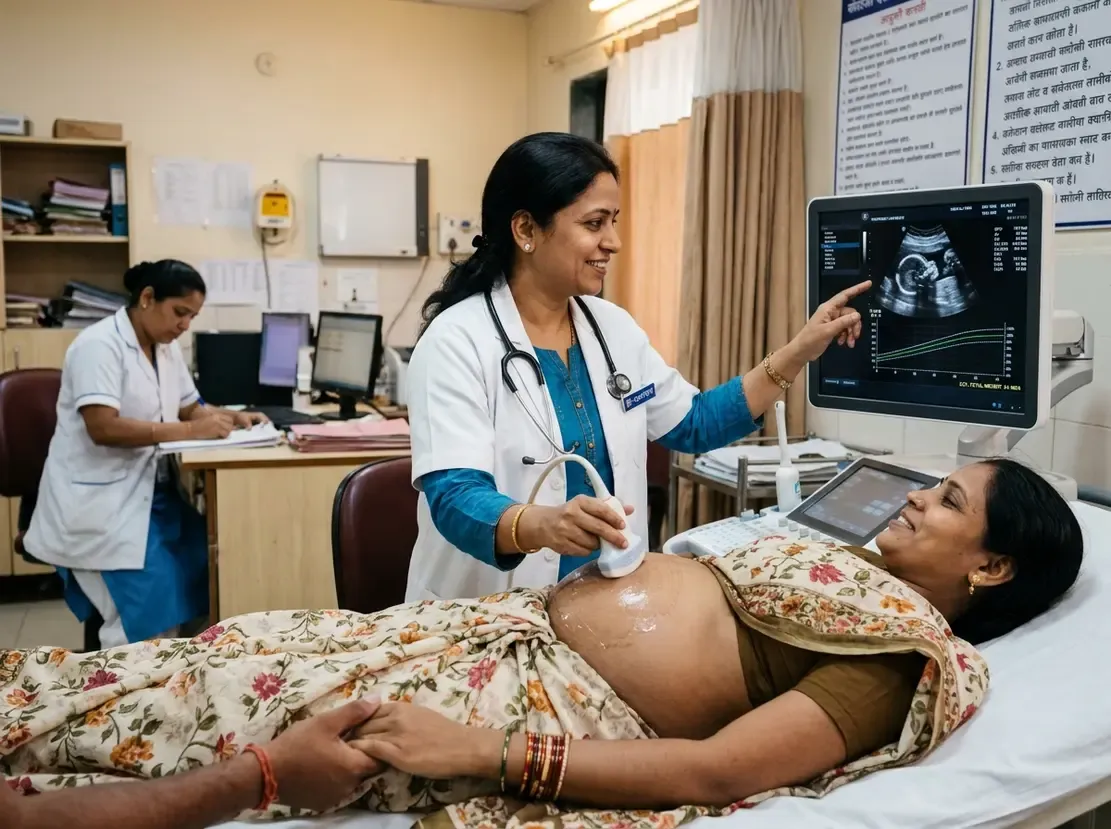
The study analyzed a large cohort of pregnant women undergoing selective third-trimester ultrasound. First, investigators observed that expanding biometric cutoffs notably improved sensitivity for identifying small newborns. However, this gain in sensitivity accompanied a predictable drop in diagnostic specificity. Additionally, the scan-to-birth interval played a decisive role in diagnostic performance. Scans performed several weeks before delivery showed reduced predictive capacity compared to proximate evaluations. As a result, fetal growth trajectories require frequent serial reassessments rather than isolated late-trimester scans. Overall, liberal criteria reduce missed cases but demand careful surveillance pathways to avoid unwarranted early deliveries.
Clinical Implications for Practice in India
In India, fetal growth disorders present a substantial clinical and public health burden. Moreover, resource constraints in many healthcare facilities limit access to routine universal ultrasound scanning. Obstetricians in high-volume Indian centers often depend on selective ultrasound referrals based on clinical fundal height. Hence, implementing more liberal biometric parameters could enhance the detection of vulnerable fetuses. Nevertheless, clinicians must carefully integrate Doppler velocimetry to confirm true placental insufficiency. This multimodal strategy prevents unnecessary iatrogenic preterm deliveries in resource-limited environments. Consequently, adopting nuanced biometric criteria can strengthen perinatal outcomes across diverse maternity units, which is a core focus for professionals looking to advance their expertise through a dedicated fetal medicine program.
Frequently Asked Questions
Q1: What are liberal biometric criteria in antenatal screening?
Liberal criteria use higher percentile cutoffs, such as the 15th percentile, to flag suspected fetal growth restriction. Consequently, this strategy captures more fetuses at risk of adverse outcomes.
Q2: Why does the interval between ultrasound and birth matter?
Ultrasound accuracy declines significantly when the scan-to-birth interval exceeds four weeks. Therefore, proximate serial scans provide much higher diagnostic reliability.
Q3: How do liberal thresholds affect false-positive rates?
Expanding the biometric cutoff increases screening sensitivity. However, this approach also elevates false-positive rates. Consequently, clinicians must evaluate umbilical Doppler velocimetry before making delivery decisions.
References
- Arcus C et al. Selective screening performance of more liberal biometric criteria for antenatal detection of small-for-gestational age: prospective cohort study nested within DESiGN randomized controlled trial. Ultrasound Obstet Gynecol. 2026 Nov 27. doi: 10.1002/uog.70389. PMID: 43102868.
- Vieira MC, Relph S, Muruet-Gutierrez W, et al. Evaluation of the Growth Assessment Protocol (GAP) for antenatal detection of small for gestational age: The DESiGN cluster randomised trial. PLoS Med. 2022;19(6):e1004004.
- Royal College of Obstetricians and Gynaecologists. The Investigation and Care of the Small-for-Gestational-Age Fetus. Green-top Guideline No. 31. London: RCOG; 2024.