How Breast Cancer Evolved From Terminal to Manageable

The Evolution of Breast Cancer Management
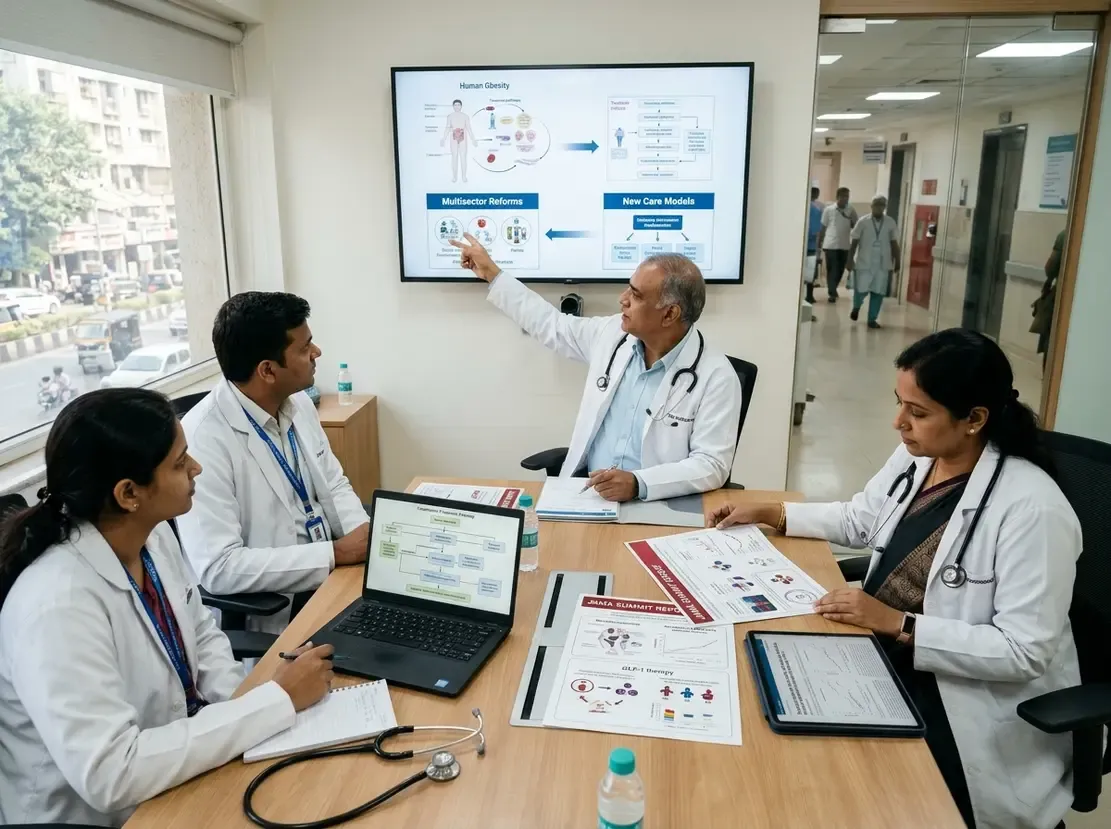
Over the past five decades, breast cancer management has evolved from uniform, radical surgical excision into highly tailored, multi-modal care. Consequently, overall survival rates have increased dramatically across the globe. In the mid-1970s, clinicians viewed advanced breast malignancy as an inevitably fatal condition. Today, however, clinicians frequently manage localized and even metastatic disease as a durable, chronic condition. Dr. Nancy E. Davidson recently highlighted this paradigm shift during a JAMA Healthy Dialogue interview. In addition, long-term registry data demonstrate that five-year relative survival rates now exceed 90 percent in resource-rich settings. Therefore, modern oncologists can offer patients genuine hope along with individualized therapeutic pathways.
Drivers of Improved Survival and Clinical Outcomes
This survival transformation stems from the combination of screening mammography and biologically targeted systemic therapy. Specifically, routine screening identifies breast tumors at significantly earlier, more resectable stages. Furthermore, comprehensive molecular subtyping guides precise adjuvant and neoadjuvant interventions. Endocrine therapies targeting estrogen receptor pathways revolutionized therapy for hormone-receptor-positive disease. Similarly, HER2-directed monoclonal antibodies and antibody-drug conjugates transformed historically aggressive subtypes into treatable diseases. As a result, population modeling indicates that newer systemic therapies account for nearly half of the observed mortality reductions. Moreover, modern surgical approaches have shifted toward breast-conserving procedures and targeted axillary sampling.
Implications for Clinical Practice in India
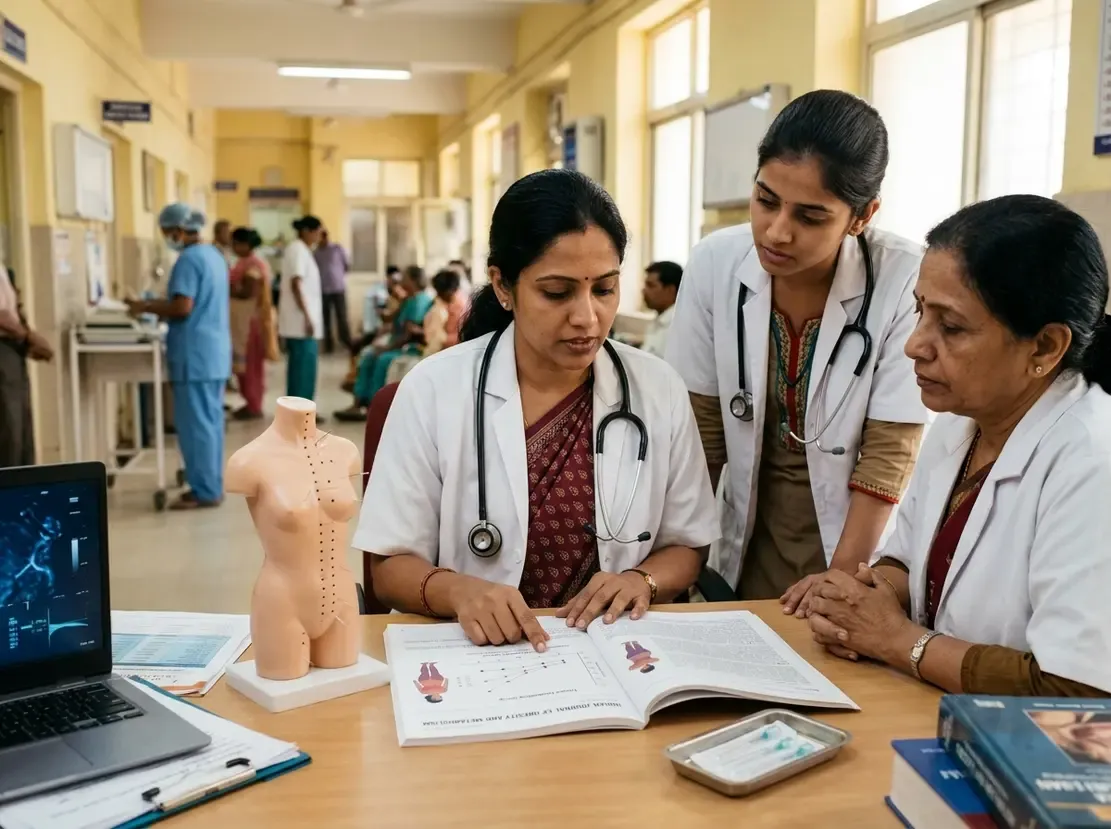
In India, breast cancer remains the leading malignancy among women, presenting distinct epidemiological challenges. For instance, Indian women frequently present with locally advanced disease at an earlier average age. Nevertheless, standardized treatment protocols from national oncology bodies are bridging clinical gaps across the country. In addition, expanded access to biosimilar monoclonal antibodies and CDK4/6 inhibitors improves outcome equity. Consequently, primary care physicians play a vital frontline role in detecting early breast changes. By implementing prompt clinical breast examinations and rapid referrals, clinicians can replicate global survival gains locally.
Frequently Asked Questions
Q1: Why is breast cancer now considered a manageable chronic disease?
Modern diagnostics identify tumors much earlier. Additionally, targeted therapies like HER2 inhibitors and CDK4/6 inhibitors control disease progression effectively while preserving quality of life.
Q2: How do global survival trends compare with Indian clinical data?
High-income countries report five-year survival rates exceeding 90 percent. However, Indian studies report an overall five-year survival near 66 percent due to advanced stage at presentation.
Q3: What initial diagnostic steps should Indian clinicians prioritize for suspicious breast masses?
Clinicians should initiate a standard triple assessment. Specifically, this protocol includes clinical examination, bilateral imaging, and core needle biopsy with immunohistochemistry.
References
- Angus DC et al. Breast Cancer's Transformation From Terminal to Manageable: A Healthy Dialogue With Nancy E. Davidson. JAMA. 2026 Nov 17. doi: 10.1001/jama.2026.21078. PMID: 42911603.
- Caswell-Jin JL, Sun LP, Munoz D, et al. Analysis of Breast Cancer Mortality in the US—1975 to 2019. JAMA. 2024;331(3):233-241. doi:10.1001/jama.2023.25881.
- Indian Council of Medical Research. Consensus Document for Management of Breast Cancer. New Delhi: ICMR; 2020.