How to Guide Cancer Survivors Through Family Building

Family building remains a fundamental aspiration for many young individuals diagnosed with malignancy. However, navigating cancer survivorship family building presents substantial physiological and clinical hurdles. Reproductive-aged women treated for cancer often face primary ovarian insufficiency, diminished ovarian reserve, and lower live birth rates. Current clinical protocols typically concentrate their resources during the initial peridiagnostic window. While essential, this narrow approach often neglects the evolving reproductive needs across the survivorship journey.
A Longitudinal Framework for Cancer Survivorship Family Building
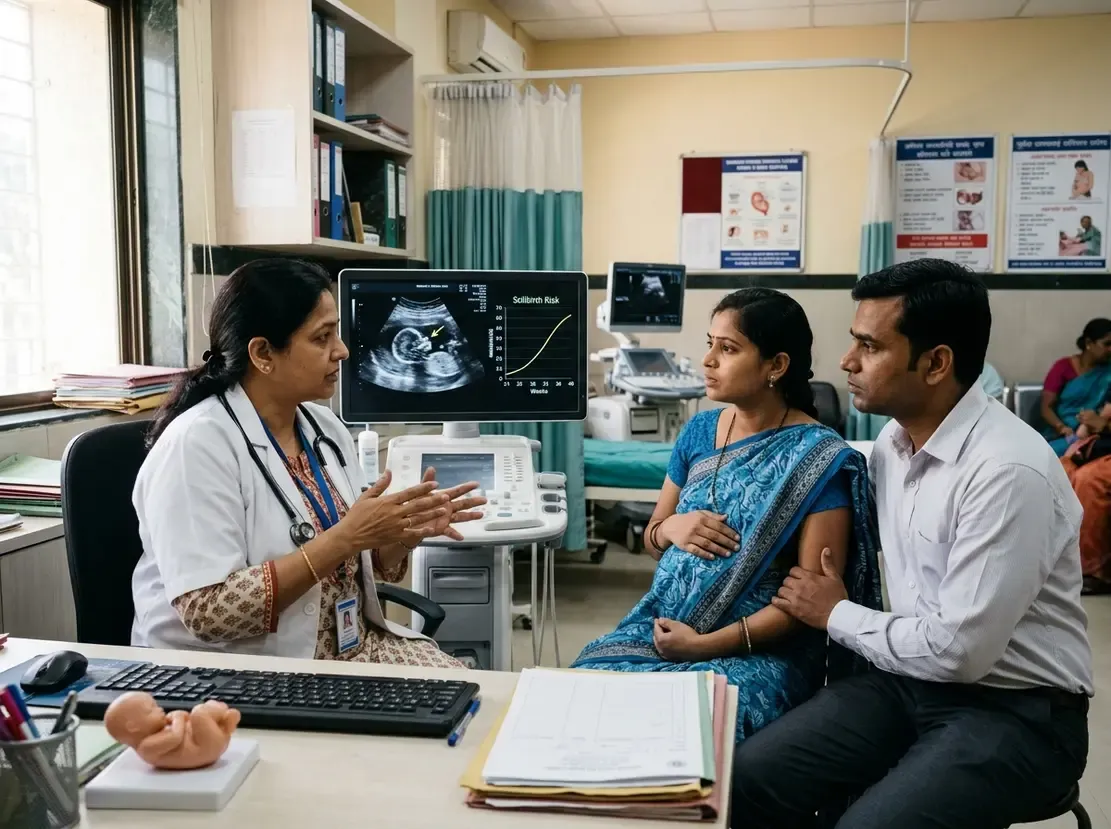
Clinicians now recognize that reproductive counseling must extend well beyond acute oncologic therapy. Therefore, researchers introduced a stage-based clinical framework to bridge persistent survivorship gaps. This comprehensive model outlines three sequential milestones across the patient care continuum. First, clinicians offer acute fertility preservation immediately following the initial cancer diagnosis. Second, providers deliver longitudinal fertility counseling and ovarian assessment throughout the posttreatment recovery phase. Third, specialists coordinate multidisciplinary preconception planning when patients re-engage their parenthood goals. Consequently, this staged methodology provides continuous, proactive reproductive support.
Multidisciplinary Integration Across the Care Continuum
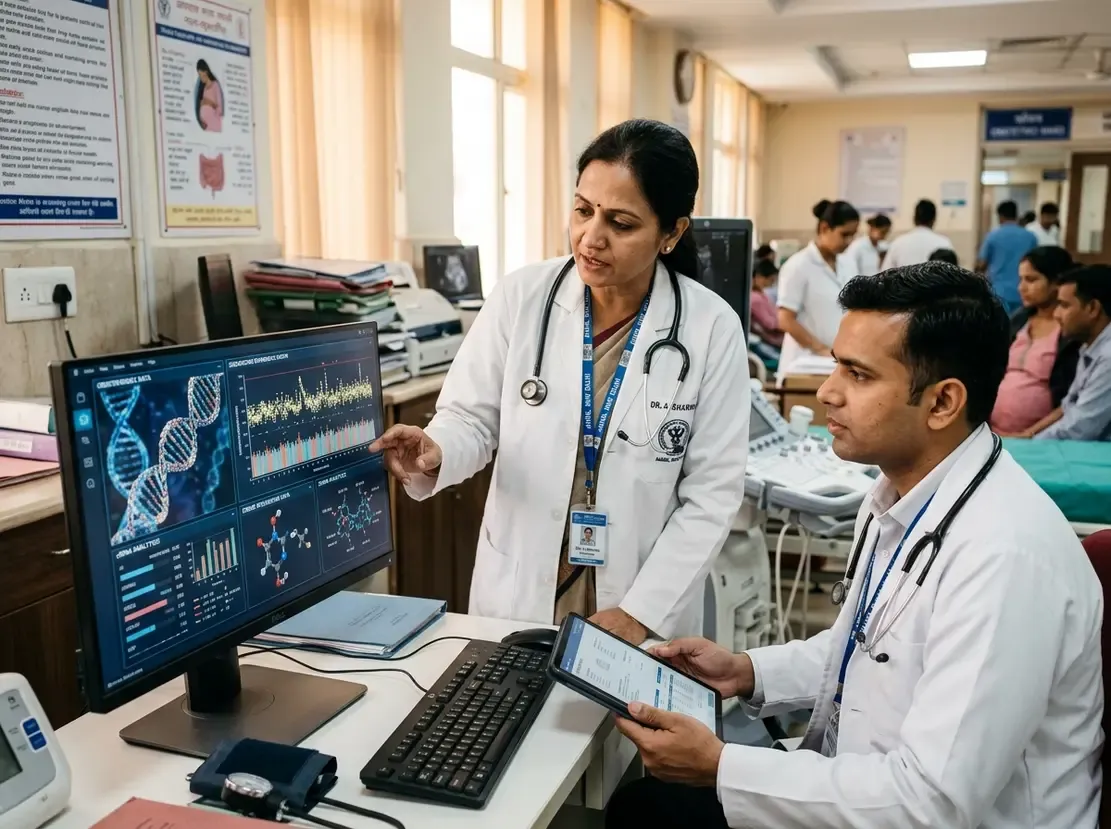
Effective survivorship care requires active collaboration among diverse medical specialties. Obstetrician-gynecologists play a central anchor role in orchestrating these complex clinical handoffs. Furthermore, reproductive endocrinologists evaluate residual ovarian reserve through anti-Müllerian hormone testing and pelvic ultrasonography. Concurrently, medical oncologists assess disease recurrence risks and optimize the timing of hormonal therapies. Maternal-fetal medicine subspecialists also contribute crucial risk stratification for women who received cardiotoxic chemotherapy or pelvic irradiation. Thus, close cross-specialty communication safeguards both maternal health and oncologic stability.
Clinical Implementation Strategies for Practice
Healthcare teams must establish standardized protocols to systematically identify patient parenthood desires. In addition, institutions should implement survivorship care plans that incorporate annual reproductive health reviews. Clinicians must educate patients regarding contraception during active therapy and potential fertility recovery timelines. Moreover, team members should discuss alternative family-building options, including donor gametes, surrogacy, and adoption. Ultimately, structured longitudinal follow-up aligns reproductive outcomes with patient life goals.
Frequently Asked Questions
Q1: Why is peridiagnostic fertility preservation alone insufficient for cancer survivors?
Peridiagnostic preservation addresses immediate gamete storage but overlooks long-term hormonal shifts, treatment toxicity, and changing life goals. Consequently, survivors need continuous reassessment and pregnancy guidance during their recovery years.
Q2: Which subspecialists should participate in longitudinal survivorship counseling?
Coordinated care teams should include oncologists, reproductive endocrinologists, general gynecologists, and maternal-fetal medicine specialists. Furthermore, psychosocial counselors provide vital emotional and decision-making support.
Q3: How does the framework address pregnancy risks following cancer therapy?
The framework integrates preconception evaluation with maternal-fetal medicine experts. Therefore, clinicians can thoroughly evaluate uterine radiation damage, cardiac toxicity risks, and oncologic surveillance before conception occurs.
References
- Beshar I et al. A Stage-Based Clinical Framework for Addressing Family Building Across the Cancer Survivorship Continuum. Obstet Gynecol. 2026 Nov 24. doi: 10.1097/AOG.0000000000006490. PMID: 43077644.
- Loren AW, Bohlke K, Su HI. Fertility preservation in people with cancer: ASCO guideline update. J Clin Oncol. 2024;42(15):1848-1865.
- American College of Obstetricians and Gynecologists. Clinical Consensus No. 3: General Approaches to Medical Care for Survivors of Cancer. Obstet Gynecol. 2023;142(6):1522-1533.