Modern Prenatal Genetic Testing: Beyond Fetal Karyotype
Modern Prenatal Genetic Testing: Beyond Fetal Karyotype
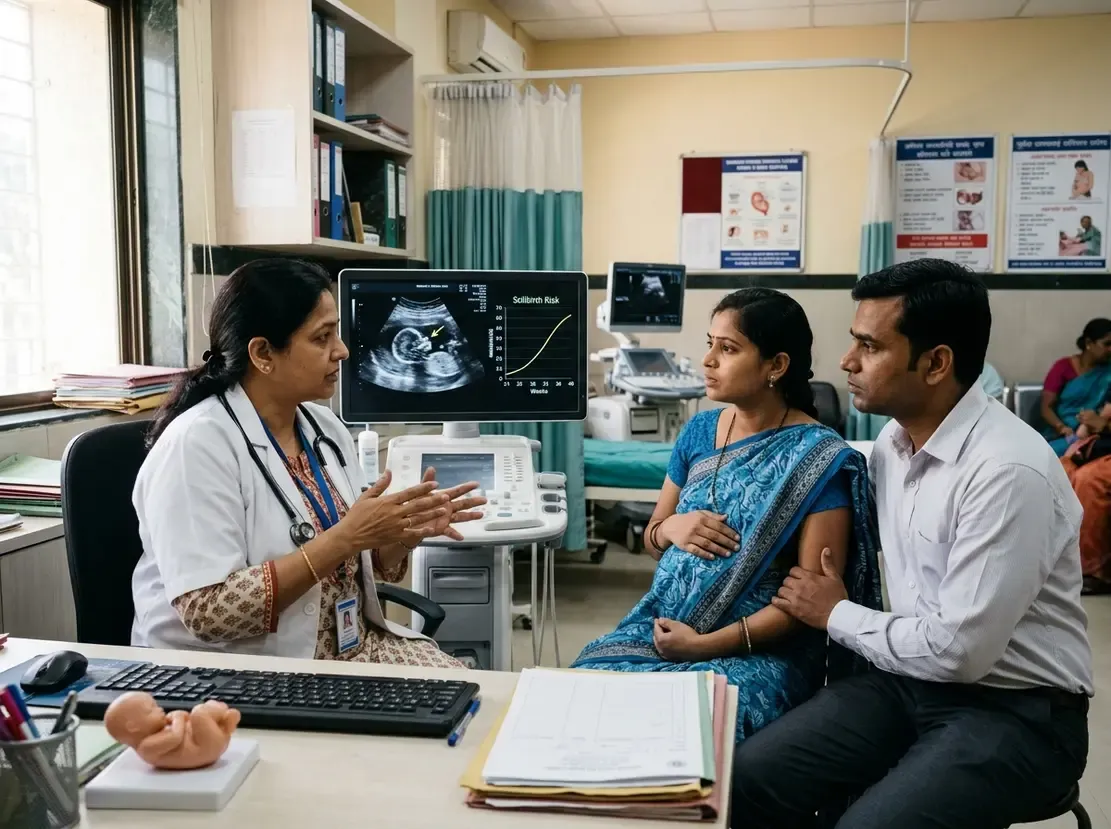
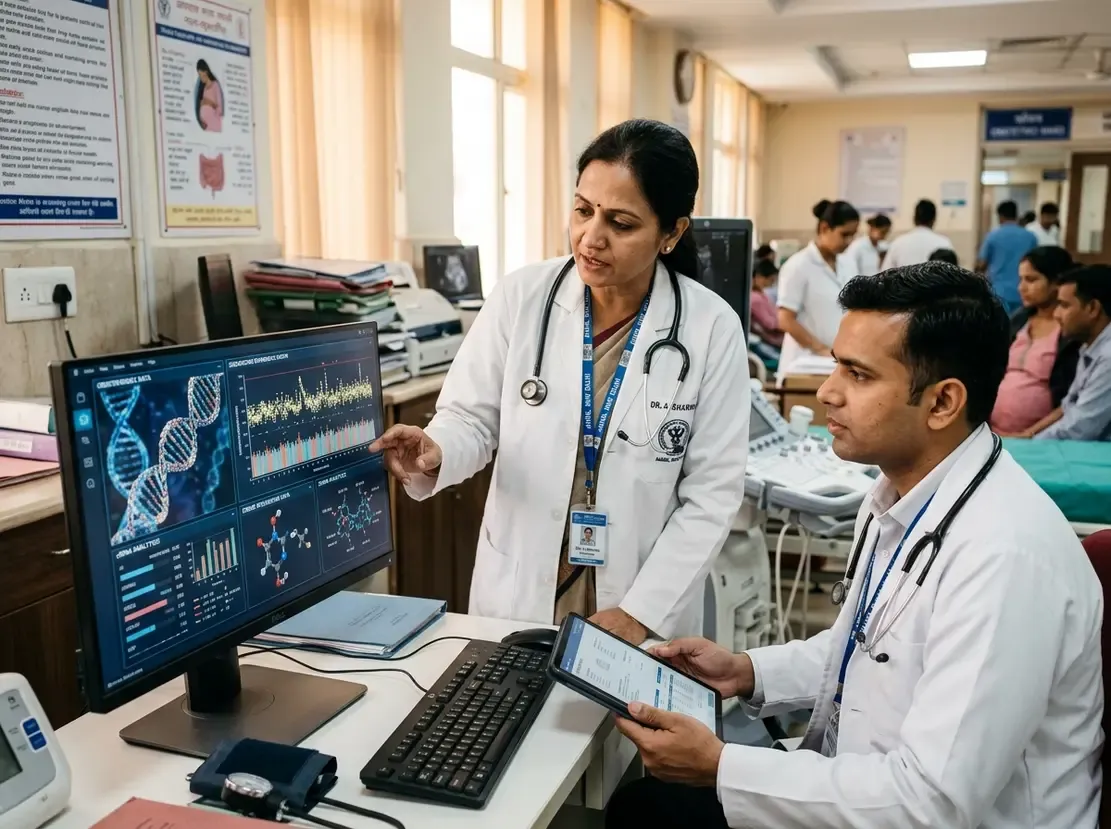
Modern obstetrics has witnessed significant technological progress over the past two decades. Today, prenatal genetic testing offers clinicians unprecedented clarity when evaluating fetal health and hereditary risks. Clinicians now possess advanced genomic tools that surpass traditional karyotyping. Consequently, parental counseling and clinical decisions have become far more precise through comprehensive training programs such as the Advanced Clinical Practice Program In Fetal Medicine.
Evolution of Prenatal Genetic Testing and Screening
Carrier screening panels now detect asymptomatic carriers for hundreds of autosomal recessive disorders. In addition, cell-free DNA screening identifies common aneuploidies with remarkable precision. This non-invasive method significantly lowers false-positive rates compared to conventional serum analyte screens. Therefore, expectant parents experience reduced procedural anxiety and fewer unneeded invasive procedures. However, clinicians must explain that cell-free DNA remains a screening modality rather than a definitive diagnosis.
Diagnostic Power of Chromosomal Microarray and Sequencing
Diagnostic testing has shifted away from basic chromosomal structure inspection. Instead, clinicians utilize chromosomal microarray analysis to identify submicroscopic deletions and duplications. Furthermore, next-generation sequencing tests uncover monogenic conditions that conventional testing often misses. In fact, exome sequencing provides a definitive genetic diagnosis in up to 25% of anomalous fetuses with normal microarrays. Genome sequencing expands these insights even further by evaluating noncoding genomic regions.
Clinical Implications and Patient Counseling
Genomic tools empower clinicians to offer actionable management plans before and after delivery. However, comprehensive pretest and post-test counseling remains essential. Clinicians must address possible variants of uncertain significance and unexpected secondary findings. Additionally, testing should align with each patient's individual reproductive values and personal choices. When obstetric teams communicate these nuances clearly, families navigate complex prenatal decisions with greater confidence.
Frequently Asked Questions
Q1: What is the primary clinical difference between prenatal screening and diagnostic testing?
Prenatal screening calculates abnormality risks, whereas diagnostic testing analyzes fetal cells to confirm or exclude specific genetic conditions.
Q2: How much does exome sequencing increase diagnostic yield in fetuses with structural anomalies?
Exome sequencing identifies monogenic causes in up to 25% of anomalous fetuses when chromosomal microarray yields normal results.
Q3: Why does chromosomal microarray replace conventional karyotyping in anomaly investigations?
Chromosomal microarray detects microscopic copy number variants and submicroscopic imbalances that standard karyotype analysis cannot visualize.
References
- Biggio JR et al. Prenatal Screening and Diagnostic Testing in the Era of Genomic Medicine. Obstet Gynecol. 2026 Nov 24. doi: 10.1097/AOG.0000000000006484. PMID: 43077647.
- American College of Obstetricians and Gynecologists. Screening for Fetal Chromosomal Abnormalities: ACOG Practice Bulletin No. 226. Obstet Gynecol. 2020;136(4):e48-e69.
- American College of Obstetricians and Gynecologists. Microarrays and Next-Generation Sequencing Technology: The Use of Advanced Genetic Diagnostic Tools in Obstetrics and Gynecology. ACOG Committee Opinion No. 682. Obstet Gynecol. 2016;128(6):e262-e268.