Why Hospitals Are Halting Chemotherapy Under CGHS Plans

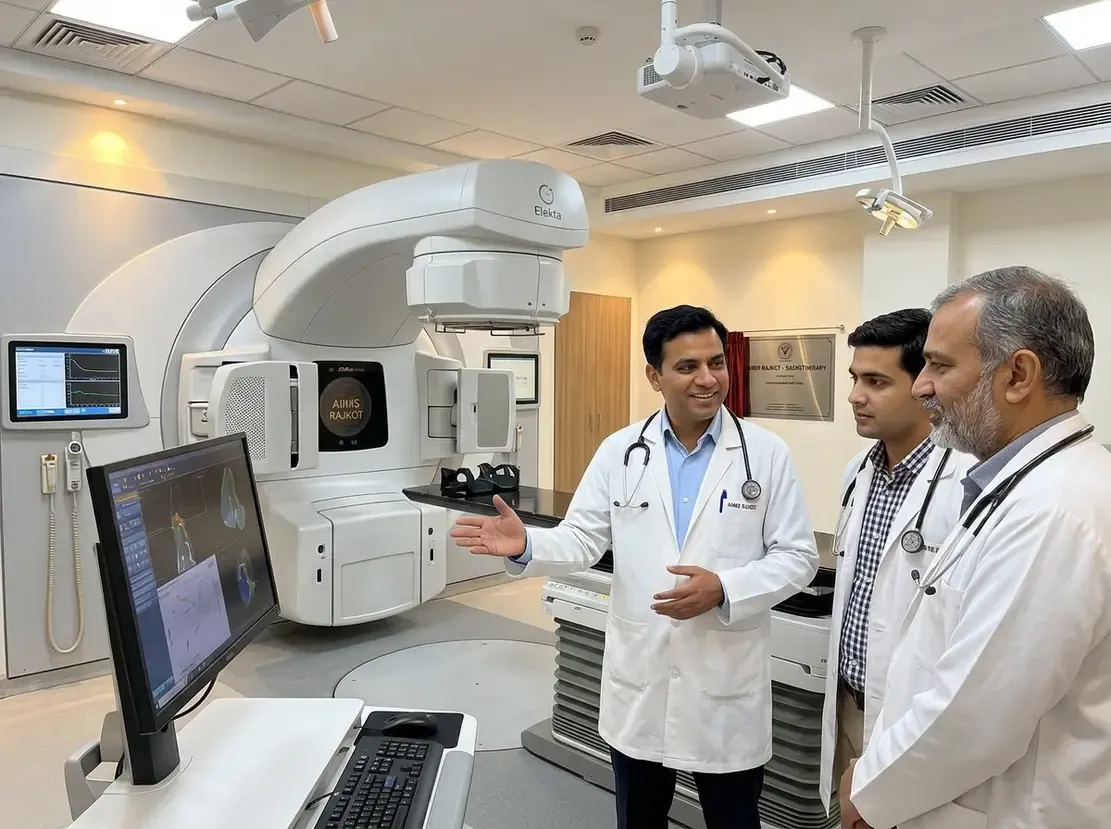
In recent financial disclosures, Max Healthcare announced a notable shift in its inpatient oncology revenue. Consequently, the hospital network experienced an oncology revenue decline from 26 percent to 21 percent in Q2 FY27. This change occurred primarily due to chemotherapy drug discontinuation for institutional beneficiaries under the Central Government Health Scheme (CGHS). Furthermore, hospital leadership explained that recent CGHS pricing revisions made supplying these critical treatments financially unviable. As a result, healthcare administrators face difficult choices regarding patient care and operational sustainability.
Understanding Chemotherapy Drug Discontinuation Under CGHS
The core issue stems from government reimbursement guidelines for high-cost cancer therapies. Specifically, CGHS caps payments for specialized oncology medicines at 70 percent of the Maximum Retail Price (MRP). However, private hospitals procure patented monoclonal antibodies and immunotherapies with thin margins of 10 to 15 percent. Therefore, reimbursing only 70 percent forces hospitals to absorb substantial losses for every administered infusion. For instance, advanced therapies such as pembrolizumab and durvalumab carry substantial acquisition costs. Because hospitals cannot sustain a 30 percent deficit, several facilities halted the direct procurement of these agents.
Clinical Challenges and Patient Safety Risks
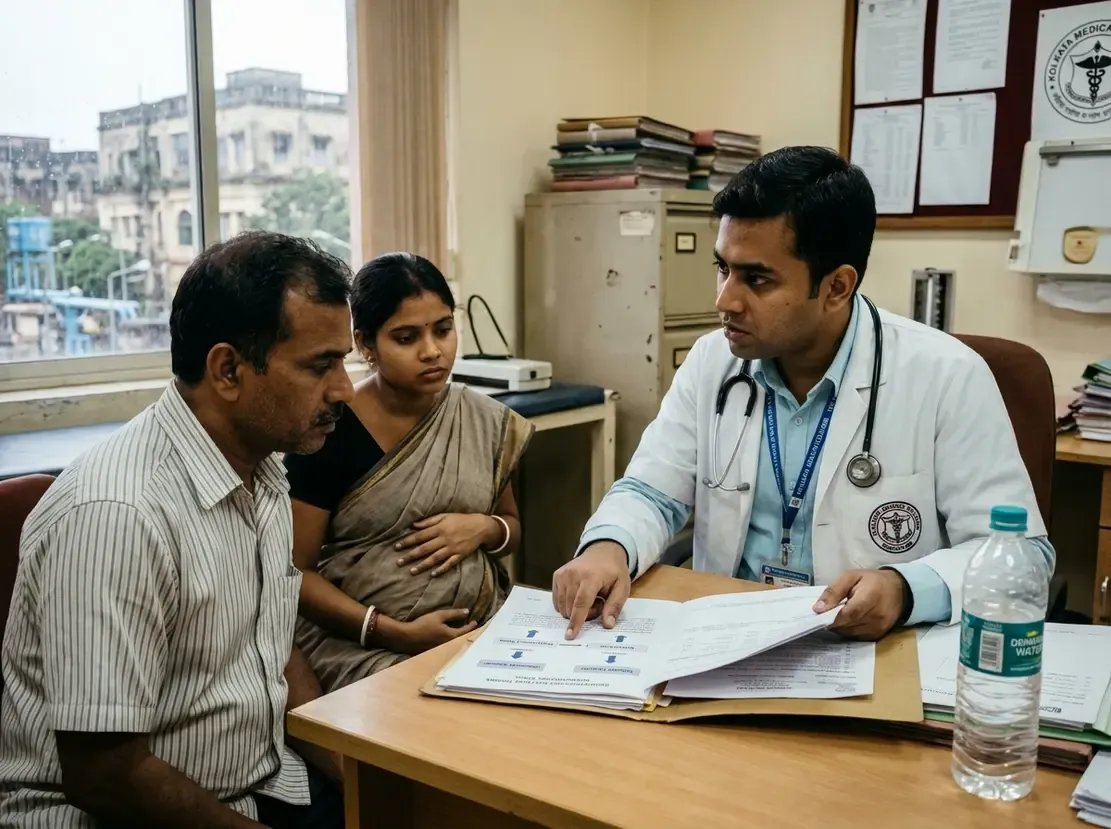
The Association of Healthcare Providers India (AHPI) has warned the Union Health Ministry about this escalating situation. In particular, the policy disrupts regular therapy cycles for advanced cancer patients. Currently, schemes offer pathways where beneficiaries obtain medicines independently from government wellness centres. However, oncologists caution that patient-sourced procurement poses serious clinical risks. Patented biologic therapies demand rigorous cold-chain maintenance to preserve pharmacological integrity. If storage conditions falter during patient transport, the risk of drug degradation rises sharply. Consequently, oncologists hesitate to administer biological agents when supply handling remains unverified.
Operational Paths Forward for Healthcare Providers
Healthcare institutions are seeking collaborative solutions with regulatory authorities to protect patient access. Meanwhile, medical associations continue to advocate for full MRP reimbursement on patented cancer therapies. In addition, hospitals are refining institutional workflows to maintain uninterrupted oncologic care. Clear communication between oncologists and beneficiaries helps navigate available procurement pathways safely. Ultimately, resolving the reimbursement shortfall will ensure that government beneficiaries receive advanced oncology care without clinical interruption.
Frequently Asked Questions
Q1: Why did Max Healthcare stop supplying certain chemotherapy drugs to CGHS beneficiaries?
Max Healthcare discontinued specific high-cost chemotherapy drugs because CGHS pricing rules capped reimbursement at 70 percent of MRP. Since hospital purchase margins were significantly narrower, continuing supply caused direct financial losses on each cycle.
Q2: How does the reimbursement cap affect cancer patients?
The cap threatens treatment continuity for patients relying on patented immunotherapy drugs. Furthermore, when patients must procure drugs independently, maintaining cold-chain integrity becomes challenging, raising patient safety concerns.
Q3: What actions has the healthcare industry taken to address this issue?
The Association of Healthcare Providers India (AHPI) formally petitioned the Union Health Ministry to review the cap. Specifically, AHPI requested full MRP reimbursement for patented life-saving oncology medicines.
References
- Max oncology inpatient revenue falls after chemotherapy drug discontinuation forCGHS patients - ETHealthworld
- Hospitals warn Central Government Health Scheme reimbursement cap may hurt cancer treatment - The Economic Times
- CGHS reimbursement cap impacts cancer treatment access - Omnicuris