Maharashtra's 2030 Blueprint to Slash Anaemia by 50%

The prevalence of anaemia in Maharashtra represents a serious public health challenge across vulnerable demographic groups. Recently, the state public health department issued a comprehensive government resolution to address this issue. The state has formally initiated the 'Anaemia-Free Maharashtra' campaign. Furthermore, the strategic campaign aims to reduce anaemia prevalence by 50% by 2030. Healthcare teams will specifically target children, adolescent boys and girls, pregnant women, and lactating mothers.
Tackling the Burden of Anaemia in Maharashtra
Data from the National Family Health Survey-5 reveals alarming figures across diverse regions. For instance, anaemia affects approximately 54% of women of reproductive age in the state. Additionally, around 57% of adolescents suffer from low haemoglobin levels. In several tribal and rural districts, the prevalence reaches as high as 67%. Moreover, seventeen districts report rates significantly above the state average. Consequently, state authorities have prioritized high-burden tribal pockets for immediate therapeutic intervention.
Clinical Etiology and Screening Interventions
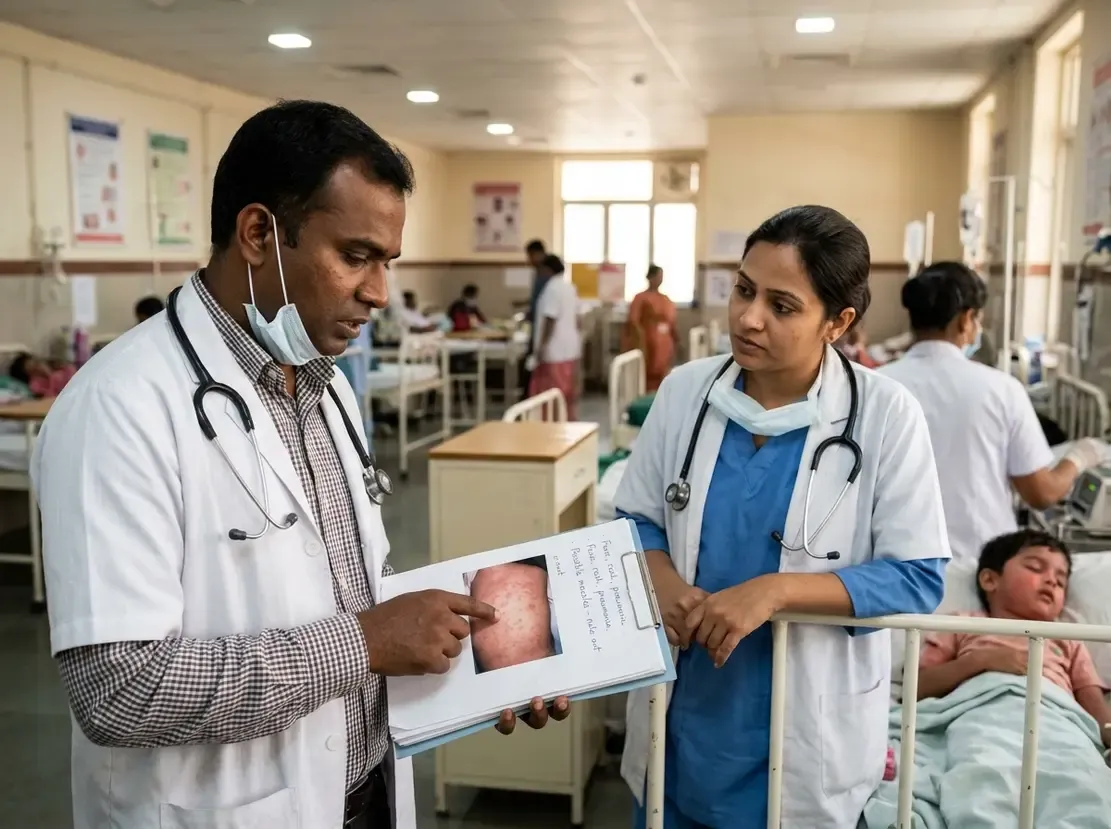
Public health authorities note that nutritional iron deficiency causes nearly half of all regional cases. However, clinicians must also evaluate other significant underlying etiologies. Deficiencies in vitamin B12 and folic acid contribute substantially to red blood cell abnormalities. Furthermore, endemic parasitic infections and repeated infectious episodes exacerbate micronutrient depletion. Inherited hemoglobinopathies also pose severe clinical challenges across Maharashtra. In particular, sickle cell disease and thalassaemia major remain prevalent in specific communities. Therefore, medical officers must combine digital haemoglobin testing with targeted genetic screening.
Strategic Pillars of the 2030 Campaign
The state campaign integrates four essential healthcare pillars. First, frontline workers will conduct routine community-based haemoglobin screening. Second, primary healthcare centers will provide structured iron and folic acid supplementation. Third, health teams will establish robust follow-up protocols for moderate and severe cases. Fourth, accredited social health activists will drive continuous nutrition awareness among families. As a result, public clinics can detect chronic microcytic and macrocytic anaemia much earlier. Ultimately, coordinated multi-sectoral action will help break the intergenerational cycle of malnutrition.
Frequently Asked Questions
Q1: What are the primary targets of the Anaemia-Free Maharashtra campaign?
The campaign aims to reduce anaemia prevalence by 50% across Maharashtra by 2030. It primarily targets children, adolescents, reproductive-age women, pregnant women, and lactating mothers.
Q2: What are the leading causes of anaemia identified in the state?
Iron deficiency accounts for nearly half of all cases. Additionally, vitamin B12 deficiency, folic acid deficiency, chronic infections, sickle cell disease, and thalassaemia are major contributors.
Q3: How will public health facilities implement this initiative?
Healthcare workers will implement digital screening, therapeutic supplementation, structured clinical follow-ups, and dietary counseling across all districts.
References
- Maharashtra govt to launch drive to cut anaemia by 50% by 2030 - ETHealthworld
- National Family Health Survey (NFHS-5), India, 2019-21: Maharashtra. International Institute for Population Sciences (IIPS).
- Operational Guidelines for Anemia Mukt Bharat Abhiyaan. Ministry of Health and Family Welfare, Government of India.