Fatal Measles Outbreak: Critical Lessons for Clinicians
Fatal Measles Outbreak: Critical Lessons for Clinicians
Recently, health authorities reported a tragic pediatric death linked to an ongoing measles outbreak in New York. This incident marks the state's first confirmed measles-related child fatality in more than three decades. Consequently, the case highlights an alarming resurgence of vaccine-preventable illnesses across communities. Clinicians worldwide, including physicians managing high-density pediatric populations, must stay alert to preventable transmission.
Clinical Implications of the Measles Outbreak
The recent measles outbreak demonstrates how quickly herd immunity can erode when vaccine coverage declines. Furthermore, measles virus displays extreme infectivity, with a basic reproduction number between 12 and 18. Susceptible household contacts face secondary attack rates exceeding 90 percent. Therefore, healthcare providers must rapidly recognize characteristic prodromal features to prevent nosocomial spread.
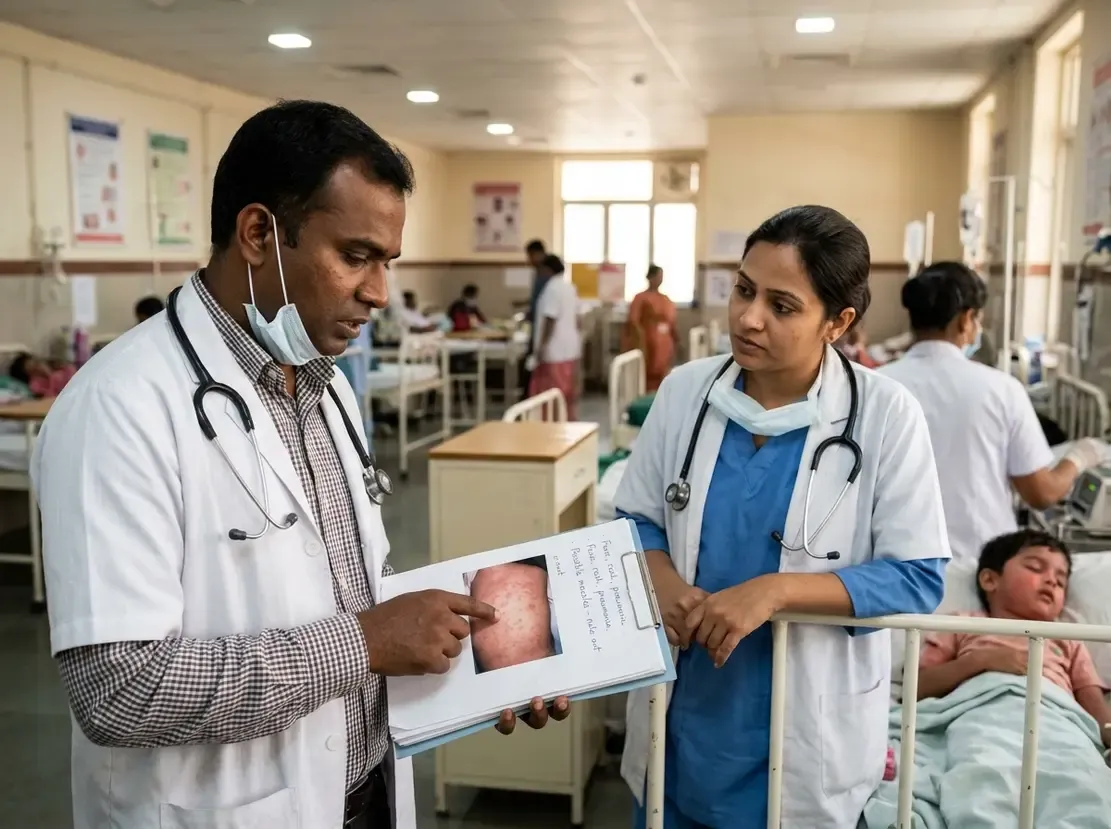
In addition, early clinical suspicion remains crucial. Patients typically present with high spiking fevers, cough, coryza, and conjunctivitis. Soon afterward, an erythematous maculopapular rash begins at the hairline and spreads downward. However, Koplik spots often appear inside the mouth before the rash erupts, offering a vital early diagnostic clue.
Managing Severe Complications and Hospitalization Risks
Measles frequently causes severe complications, particularly in children under five years of age. For instance, secondary bacterial pneumonia represents the most common cause of measles-related pediatric mortality. Moreover, acute post-infectious encephalitis occurs in approximately one in every 1,000 cases, which can cause permanent neurologic deficits.
Consequently, clinicians must closely monitor respiratory status and hydration in affected pediatric patients. Supportive care, early oxygen therapy, and prompt antibiotics for secondary bacterial superinfections remain essential interventions. Additionally, administering therapeutic doses of vitamin A significantly reduces morbidity and mortality rates in acute pediatric measles.
Outbreak Control and Immunization Strategies
Effective community containment requires aggressive immunization protocols. Therefore, public health agencies emphasize prompt vaccination outreach in affected districts. Routine two-dose vaccination schedules provide approximately 97 percent protection against measles infection. However, missed doses leave vulnerable pockets that enable widespread community outbreaks.
Furthermore, physicians should offer timely post-exposure prophylaxis to unvaccinated contacts exposed to confirmed cases. Administering the MMR vaccine within 72 hours or immune globulin within six days provides vital protection. Ultimately, proactive physician advocacy and vigilant immunization tracking remain our best defenses against fatal resurgence.
Frequently Asked Questions
Q1: What are the primary complications leading to death in a pediatric measles outbreak?
Severe measles can cause lethal complications such as secondary bacterial pneumonia and acute encephalitis. In addition, profound dehydration and croup may complicate cases in young or malnourished children.
Q2: When should clinicians consider post-exposure prophylaxis for measles?
Clinicians should administer the MMR vaccine to susceptible contacts within 72 hours of exposure. Alternatively, clinicians can offer immune globulin within six days of exposure for high-risk individuals.
Q3: How can physicians differentiate measles from other viral rashes?
Measles typically presents with a high fever, cough, coryza, and conjunctivitis before the rash emerges. Furthermore, Koplik spots on the buccal mucosa serve as a pathognomonic diagnostic sign.
References
- New York state reports first measles-linked child death in over 30 years amidoutbreak - ETHealthworld
- Clinical Overview of Measles - CDC
- Measles - World Health Organization (WHO)