How Chronic Stress and Hidden Inflammation Harm Your Heart
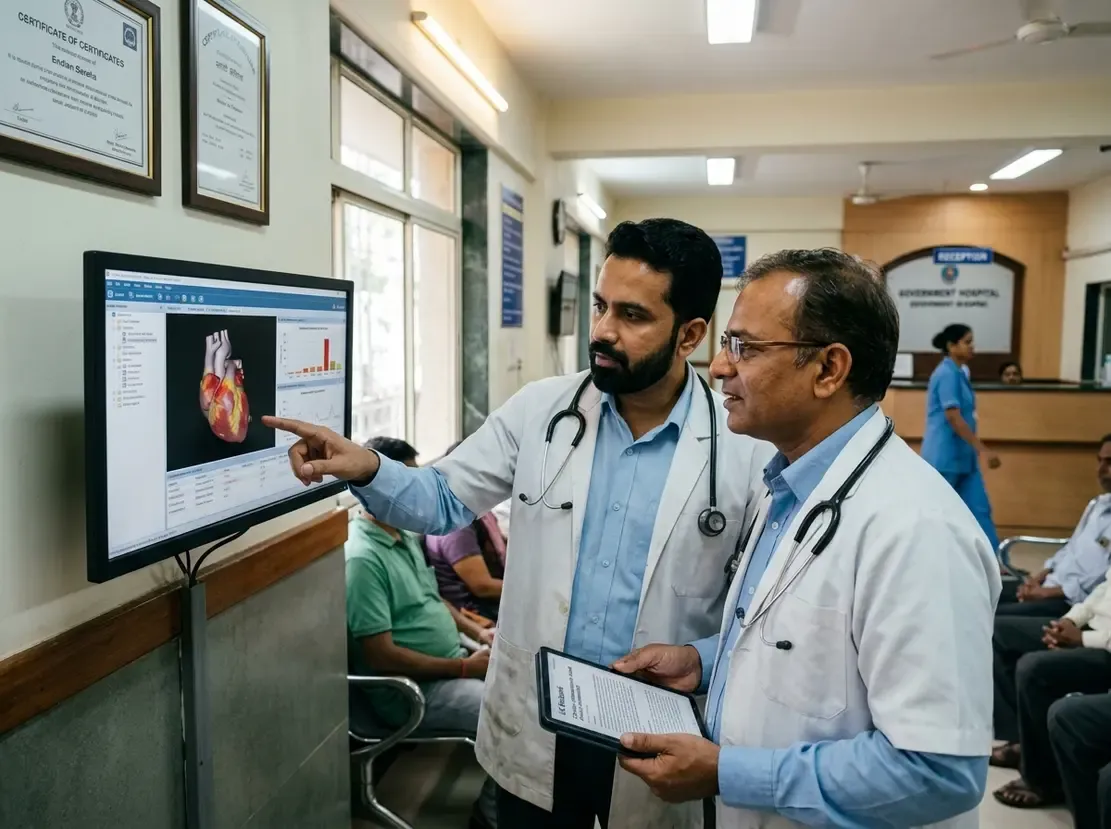
Persistent emotional stress and social deprivation silently activate the human immune system. Consequently, chronic inflammation damages cardiac tissue long before typical clinical symptoms appear. A groundbreaking study published in the European Journal of Preventive Cardiology highlights this dangerous biological connection. Researchers analysed health records from nearly 488,000 British adults enrolled in the UK Biobank cohort. Their findings reveal that circulating inflammatory mediators directly reshape ventricular architecture.
The Biomarker Linking Chronic Inflammation to Structural Remodeling
Specifically, investigators measured glycoprotein acetyls, widely known as GlycA, using nuclear magnetic resonance spectroscopy. GlycA serves as a stable biomarker that reflects low-grade, persistent systemic inflammation over extended periods. In addition, the team evaluated detailed cardiovascular magnetic resonance scans and genomic markers. Individuals in the highest GlycA quintile exhibited markedly thickened myocardial walls. Moreover, these patients showed significantly smaller ventricular cavities and impaired diastolic relaxation. Consequently, reduced end-diastolic volume forces the myocardium to beat faster to sustain adequate cardiac output.
Cardiovascular Risks and Key Inflammatory Mediators
Furthermore, participants with the highest inflammation faced a 43 percent greater risk of major cardiovascular events. This heightened vulnerability included sudden myocardial infarction and ischaemic stroke. Notably, these adverse outcomes occurred even among adults without pre-existing cardiovascular conditions. Mediation analyses identified interleukin-1 and tumour necrosis factor pathways as primary drivers of structural alteration. Interleukin-1 receptor antagonism accounted for 27 percent of the observed reduction in left ventricular volume. Therefore, targeted anti-inflammatory drugs could provide novel therapeutic opportunities for high-risk patients.
Clinical Implications for Preventive Cardiology in India
In India, clinicians frequently encounter premature ischemic heart disease driven by psychosocial distress and rapid urbanisation. Thus, assessing systemic inflammatory burdens provides essential diagnostic value beyond conventional lipid profiles. Clinicians must routinely address socioeconomic stressors, chronic sleep disruption, and visceral adiposity during patient consultations. In addition, smoking cessation and anti-inflammatory lifestyle interventions remain paramount to protect myocardial geometry. Identifying subclinical remodeling early allows physicians to initiate preventive therapies before irreversible cardiac failure occurs.
Frequently Asked Questions
Q1: What is GlycA, and how does it detect chronic inflammation?
GlycA represents a composite nuclear magnetic resonance biomarker that captures systemic circulating inflammatory proteins. However, unlike transient acute-phase reactants, GlycA provides a reliable, long-term measurement of baseline immune activation.
Q2: How does systemic inflammation alter cardiac structure?
Elevated inflammatory cytokines stimulate myocardial fibrosis and stiffen myocardial walls over several years. Consequently, the left ventricle shrinks in filling volume and loses its normal diastolic compliance.
Q3: Can lifestyle changes reverse inflammation-related heart changes?
Yes, adopting an anti-inflammatory diet, regular aerobic exercise, and smoking cessation substantially reduces systemic inflammation. Furthermore, targeted stress reduction lowers neurohormonal stimulation, which protects the heart against adverse remodeling.
References
- Constant stress, chronic inflammation could cause structural changes to heart:Study - ETHealthworld
- Imperial College London. Chronic stress may trigger hidden inflammation that damages the heart. Imperial News, September 2026.
- European Journal of Preventive Cardiology. Gene–environment interactions shape cytokine-mediated inflammation and cardiovascular risk. Oxford University Press, September 2026.