
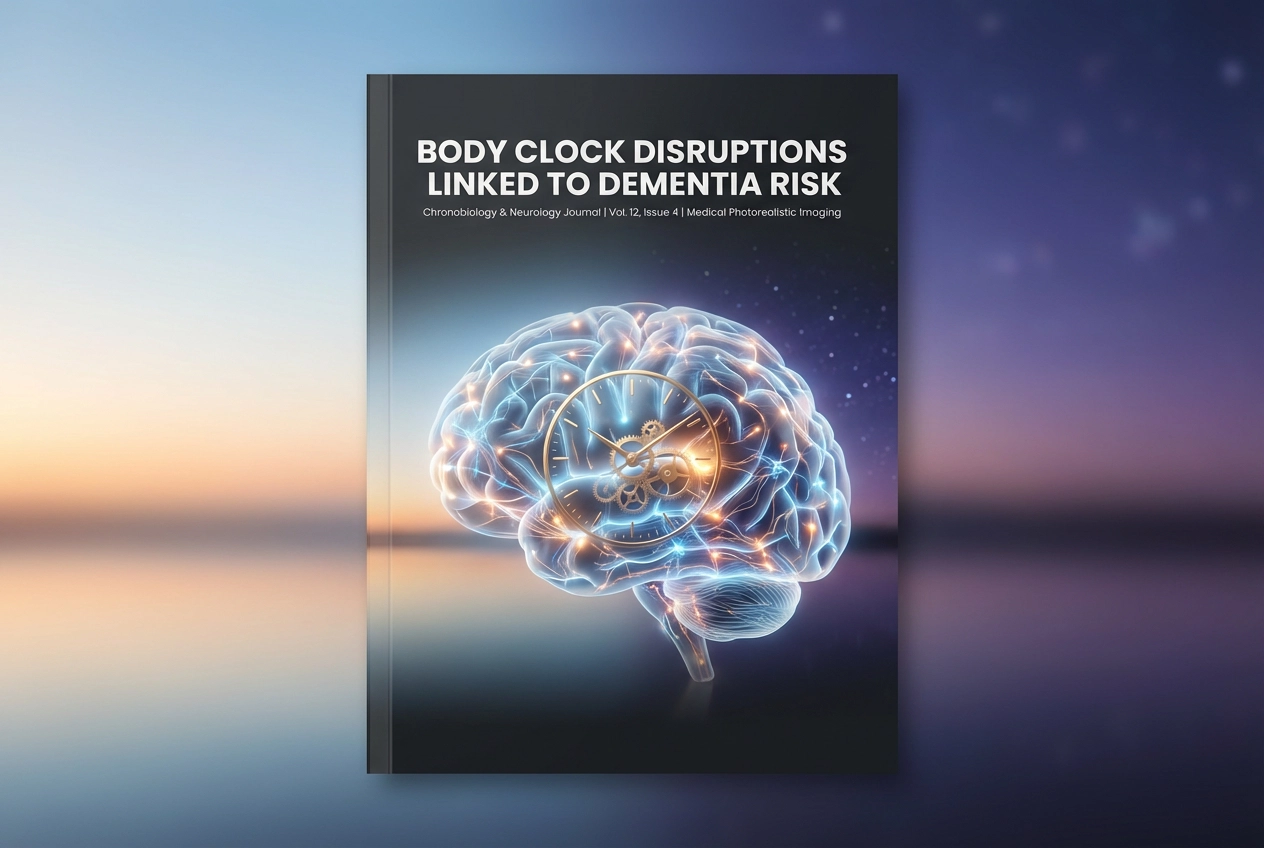
Circadian Rhythm Dementia Risk is a growing area of neurological study. A recent landmark study published in the journal Neurology suggests that a person’s internal body clock significantly influences their likelihood of developing dementia. The research found that older adults who exhibit weaker or more disrupted circadian rhythms face a markedly higher risk of developing the condition. Consequently, a strong, well-aligned body clock may act as a protective factor against neurodegenerative disease. Professionals looking to deepen their understanding of cognitive disorders can explore the Certification Course In Dementia.
Weaker Rhythms Show Significantly Higher Risk
Researchers analyzed data from over 2,100 older adults, who had an average age of 79 and did not have dementia at the study’s start. They used chest monitors to measure rest and activity patterns for approximately 12 days. The findings were striking. For example, participants with a low, weaker circadian rhythm had nearly 2.5 times the risk of dementia compared to those with a high, strong rhythm. Furthermore, a strong rhythm signals clear body functions, helping individuals maintain regular sleep and activity times despite seasonal or schedule changes. In contrast, people with weaker rhythms are more susceptible to disruption from changes in light and schedule.
Later Activity Peak and Circadian Rhythm Dementia Risk
The study also investigated the timing of the body clock’s peak activity. People whose activity peak occurred later in the afternoon, specifically at 2:15 pm or later, had a 45 per cent increased risk of dementia. Therefore, this later peak may reflect a misalignment between the body’s internal clock and environmental cues such as daylight and darkness. This mismatch could be a critical factor in the elevated risk. Understanding these complex neurological timings is crucial, and related learning can be pursued through the Neurology Speciality Courses.
Potential Mechanisms of Disruption
Disruptions in circadian rhythms can alter crucial body processes like inflammation. Moreover, these disruptions might interfere with sleep quality and duration. Study author Dr. Wendy Wang explained that these factors could possibly increase the buildup of amyloid plaques linked to dementia or reduce the brain’s ability to clear them. Amyloid plaques are clumps of proteins in the brain, which are a common feature of Alzheimer’s disease and contribute to cell death. Similarly, previous research suggests that circadian rhythm disruptions can precede the clinical symptoms of Alzheimer’s disease by many years. This highlights the body clock as a possible early warning sign for cognitive decline. Therefore, future studies should explore interventions, such as light therapy or lifestyle modifications, that may help strengthen circadian rhythms and lower the risk of dementia.
Frequently Asked Questions
Q1: What specific finding showed the highest risk?
Participants with a low, weaker circadian rhythm had nearly 2.5 times the risk of developing dementia compared to those with a high, strong rhythm.
Q2: What is the significance of a “later activity peak?”
An activity peak occurring later in the afternoon (2:15 pm or later) was associated with a 45% increased risk of dementia, possibly indicating a misalignment between the internal body clock and environmental signals like daylight.
Q3: How might circadian disruption affect the brain?
Disrupted rhythms may interfere with sleep and alter processes like inflammation, potentially increasing amyloid plaques in the brain or reducing the brain’s natural clearance mechanisms for these proteins.
References
- Study links weaker internal body clock with higher dementia risk – ETHealthworld
- Irregular Circadian Rhythms Linked to Greater Dementia Risks | RT – Respiratory Therapy
- Weaker and fragmented circadian rhythms linked to higher dementia risk: A new study – News-Medical.Net
- Dementia risk associated with weak internal body clock, study suggests – The Economic Times
- Study Links Weaker and Delayed Circadian Rhythms to Higher Dementia Risk in Older Adults – GeneOnline News
- A weak body clock may be an early warning for dementia – ScienceDaily
- Body clock disruptions occur years before memory loss in Alzheimer’s – WashU Medicine
Disclaimer: This article was automatically generated from publicly available sources and is provided for informational and educational purposes only. OC Academy does not exercise editorial control or claim authorship over this content. It is not a substitute for professional medical advice, diagnosis, or treatment. Always consult a qualified healthcare provider and refer to current local and national clinical guidelines.