
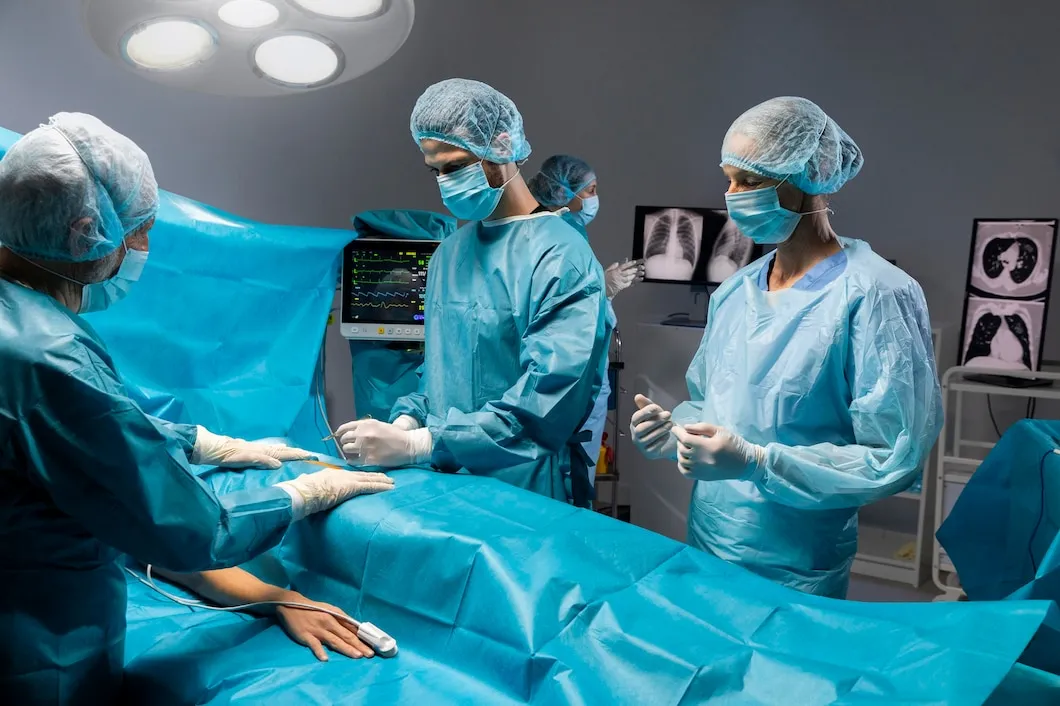
India is currently witnessing a significant shift in its medical research landscape. Specifically, Defence Minister Rajnath Singh recently emphasized the urgent need for clinical trial framework reforms. During the 262nd Raising Day of the Army Medical Corps (AMC), he highlighted how the Armed Forces Medical Services (AFMS) can lead this transformation. Consequently, the government aims to move beyond curative treatments to focus on creating new medical knowledge, a cornerstone of clinical drug development.
The Future of Clinical Trial Framework Reforms
Clinical trial framework reforms are essential for aligning India with global standards in medical innovation. Minister Singh noted that advanced nations often rely on industry-sponsored trials that prioritize research alongside treatment. Therefore, India must adapt its current systems to encourage similar growth. By integrating the AFMS into this domain, the country can leverage vast clinical experience for broader scientific benefit. Furthermore, this move will help establish India as a hub for evidence-based medical practices.
Integrating AFMS into National Health Security
Health security is now a vital component of national safety. According to the Minister, the confidence of soldiers depends on the availability of superior medical support. This proactive approach ensures that medical forces are ready for major operations, such as Operation Sindoor. Additionally, the AFMS is modernizing through technology exhibitions. These showcases include advancements in trauma management, telemedicine, and prosthetics. Such efforts reflect a commitment to self-reliance and modernization within the military healthcare sector.
Standardised Protocols and National Data Pools
A national-level data pool is another critical step toward a proactive healthcare model. Such a repository would provide essential inputs for policy formulation and aid in validating new medical practices. Moreover, it allows for the large-scale replication of effective treatments. Singh also underlined the necessity of creating robust standard operating procedures. These standardised protocols will ensure that clinical experiences reach other doctors and hospitals through systemic channels. Consequently, this leads to faster and more efficient patient care across the nation, supported by structured multispecialty clinical oversight.
Frequently Asked Questions
Q1: What are the primary goals of the proposed clinical trial framework reforms?
The reforms aim to enhance India’s research ecosystem by creating standardized protocols and a national data pool. This shift intends to move healthcare from a reactive to a proactive model, ensuring faster and more evidence-based treatments.
Q2: How will the Armed Forces Medical Services (AFMS) contribute to medical research?
The AFMS is expected to contribute by sharing clinical experience and participating in trials. This involvement helps create new knowledge in fields like trauma management and combat medicine, extending their role beyond curative care.
Q3: What new facilities were recently inaugurated at the Army Hospital (R&R)?
Foundation stones were laid for specialized oncology, ophthalmology, and joint replacement centers. These facilities will provide advanced tertiary care to serving personnel, veterans, and their families.
References
- Must explore how AFMS can make meaningful contribution in domain of clinicaltrials: Rajnath – ETHealthworld
- Raksha Mantri lays foundation stones of Ophthalmology, Oncology & Joint Replacement Centres – PIB
- AFMS & ICMR join hands to undertake biomedical research for Armed Forces – PIB
Disclaimer: This article was automatically generated from publicly available sources and is provided for informational and educational purposes only. OC Academy does not exercise editorial control or claim authorship over this content. It is not a substitute for professional medical advice, diagnosis, or treatment. Always consult a qualified healthcare provider and refer to current local and national clinical guidelines.