
Kerala Ramps Up Disease Prevention: What Doctors Must Know
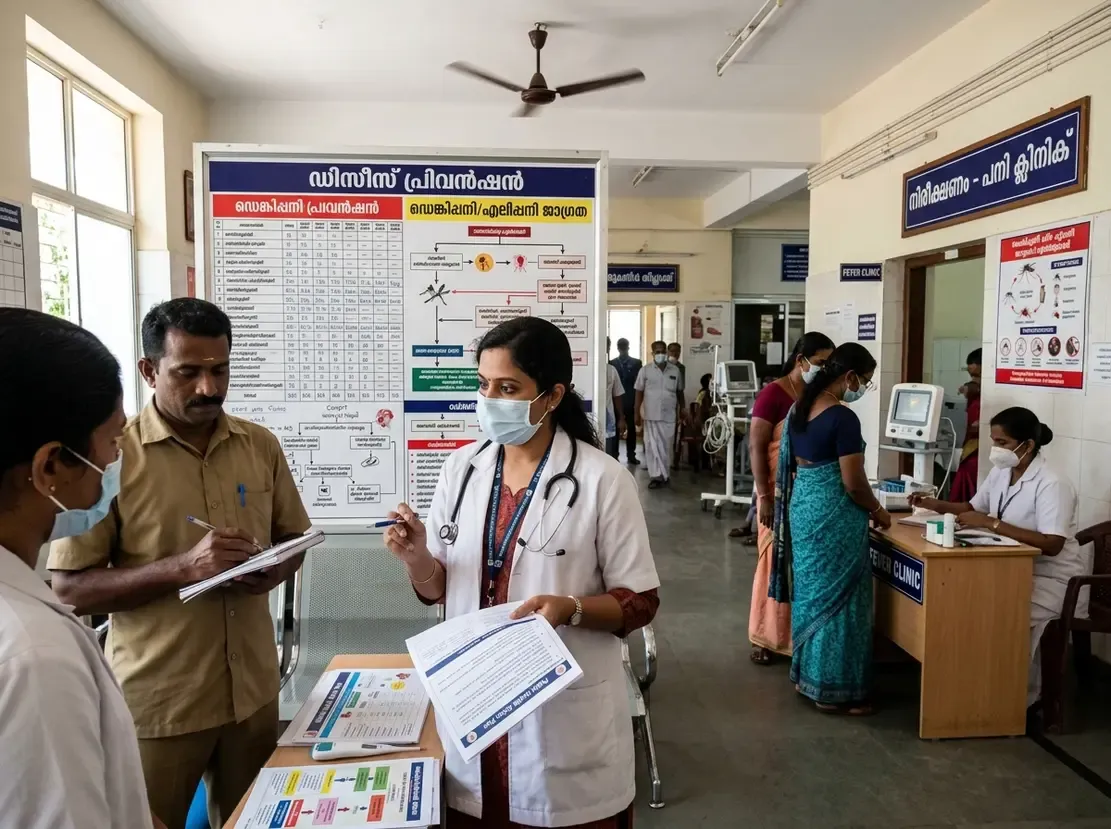
The Kerala Health Department has introduced robust measures for communicable disease prevention amid escalating concerns regarding seasonal viral fevers. Consequently, authorities are deploying multi-sectoral district committees to arrest transmission chains early. Healthcare providers across the state must remain vigilant as vector activity increases.
Decentralized Governance and Ward-Level Interventions
District collectors will lead multi-departmental coordination committees to implement targeted field actions. Moreover, local ward-level groups will unite panchayat members, health workers, and resident associations. These grassroots teams identify potential dengue hotspots before outbreaks escalate. In addition, sanitation teams will enforce source reduction campaigns across vulnerable urban and rural sectors. Therefore, local administrative units can eliminate vector breeding grounds before seasonal spikes occur.
Operationalizing Communicable Disease Prevention Through Dry Days
Intermittent rainfall consistently exacerbates vector proliferation across Kerala. Consequently, the government has mandated synchronized Dry Day observations to halt mosquito breeding cycles. Educational institutions will conduct thorough sanitation drives every Friday. Similarly, commercial workplaces will inspect and drain water collections on Saturdays. Households must dedicate Sundays to cleaning stagnant water containers, flowerpot saucers, and refrigerator trays. Through these structured schedules, public health teams aim to disrupt the life cycle of Aedes mosquitoes.
Strengthening Fever Clinics and Clinical Protocols
State health authorities have directed primary facilities to operationalize dedicated fever clinics in heavily affected areas. Additionally, administrators will launch new triage clinics wherever outpatient footfall spikes. District Medical Officers will convene daily review meetings to analyze local case trajectories. Medical practitioners must adhere strictly to established state treatment algorithms for arboviral illnesses, which can be further explored through professional general practice training. Furthermore, clinicians must promptly recognize warning signs such as persistent vomiting, abdominal tenderness, and mucosal bleeding. Early hematocrit monitoring and judicious fluid resuscitation prevent disease progression into dengue shock syndrome, a critical competency taught in specialized emergency medicine programs.
Frequently Asked Questions
Q1: What is the primary focus of Kerala's newly formed coordination committees?
These district-level committees aim to streamline vector control, conduct mosquito source reduction, and coordinate grassroots response teams to contain dengue and chikungunya outbreaks.
Q2: What is the schedule for community Dry Day observations in Kerala?
Schools observe Dry Day on Fridays, workplaces observe it on Saturdays, and households observe it on Sundays to eliminate stagnant water sources.
Q3: How are healthcare facilities in Kerala adapting to the surge in fever cases?
Health authorities are opening dedicated fever clinics in endemic pockets, optimizing triage workflows, and enforcing daily epidemiological monitoring across all districts.
References
- Keralam to strengthen communicable disease prevention amid concerns over spread - ETHealthworld
- Directorate of Health Services (DHS), Government of Kerala - Kerala State Dengue Fever Treatment and Referral Guidelines
- National Center for Vector Borne Diseases Control (NCVBDC), Ministry of Health and Family Welfare, Government of India - National Guidelines for Clinical Management of Dengue Fever


