Congo Ebola Outbreak Tops 10,000 Cases as Spread Expands
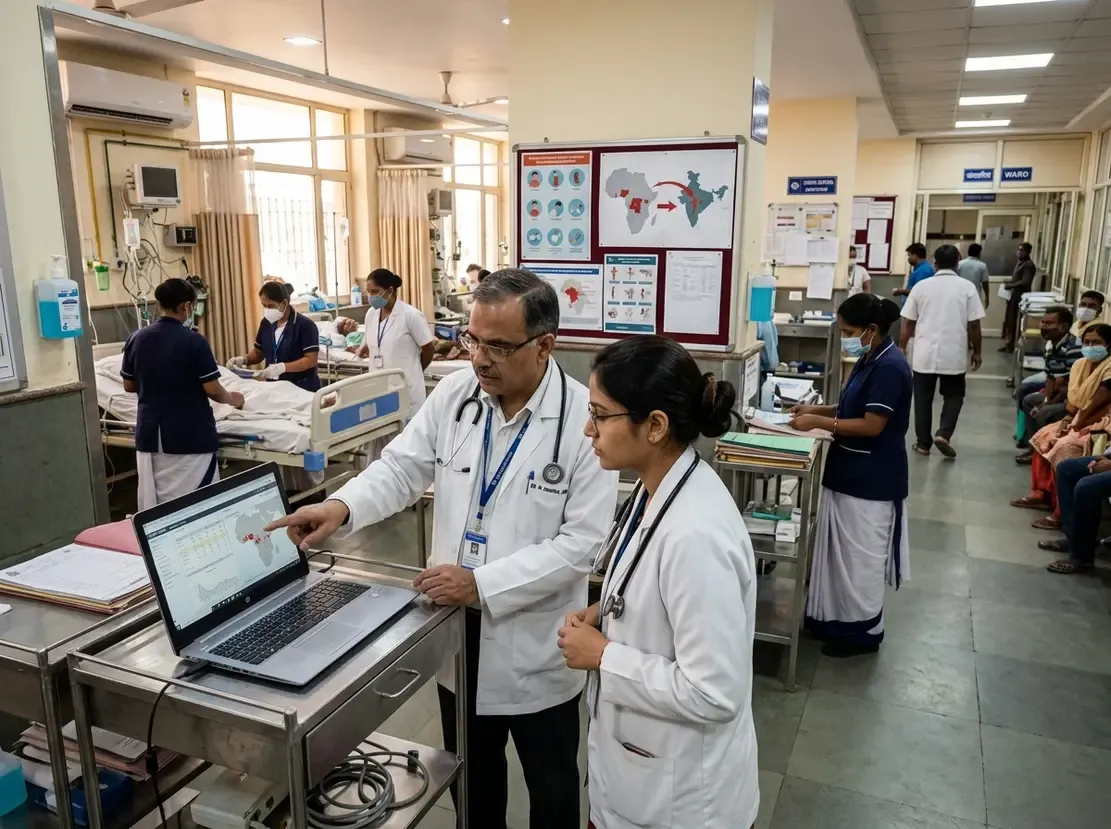
The ongoing Congo Ebola outbreak has reached a grim milestone after surpassing 10,000 confirmed cases. Official surveillance data show that the epidemic has caused nearly 4,900 fatalities across the Democratic Republic of the Congo. Consequently, international public health authorities warn that cross-border transmission could accelerate. Clinicians worldwide must maintain heightened vigilance regarding acute viral hemorrhagic fevers.
Epidemiological Scale of the Congo Ebola Outbreak
The current epidemic began in mid-May in the eastern provinces of the country. Furthermore, health officials identified the rare Bundibugyo species as the causative agent. This event marks the second-largest Ebola epidemic on record globally. Therefore, the crisis now exceeds Congo's previous major outbreak from 2018 to 2020. Only the massive 2014 West African epidemic recorded a larger total caseload.
Regional Spread and Cross-Border Transmission
Cross-border mobility presents a critical challenge for regional containment. For example, Kenya recently confirmed nine cases following the death of a traveler in Nairobi. In addition, Nigeria identified an imported infection in a patient who traveled through Uganda. Uganda previously managed twenty imported cases before clearing transmission earlier in the year. However, neighboring countries remain on high alert because regional borders experience heavy commercial traffic. As a result, several nations now enforce strict 21-day quarantine protocols for returning travelers.
Clinical Characteristics of Bundibugyo Virus Disease
Bundibugyo virus disease displays an incubation period ranging from 2 to 21 days. Typically, infected individuals present with non-specific symptoms such as sudden fever, fatigue, and headache. In addition, patients experience severe muscle aches and sore throats during the initial phase. These early signs closely mimic common tropical infections like malaria and typhoid. Subsequently, the illness advances to cause severe vomiting, persistent diarrhea, and abdominal pain. Moreover, advanced stages can lead to vascular leakage, internal hemorrhage, and multi-organ failure.
Infection Control and Global Preparedness
Currently, healthcare providers lack an approved specific antiviral therapy for the Bundibugyo species. Therefore, early supportive care with fluid replacement and electrolyte management remains paramount. Furthermore, medical personnel must enforce rigorous infection prevention and control measures at all transit hubs. Healthcare facilities must immediately isolate any febrile patient with recent travel to affected areas. Similarly, hospitals must provide adequate personal protective equipment to shield frontline workers from infectious body fluids. Robust surveillance systems will remain crucial until public health agencies successfully halt viral transmission.
Frequently Asked Questions
Q1: What species causes the current Ebola outbreak in Congo?
The rare Bundibugyo ebolavirus species causes the current outbreak. Unlike the more common Zaire species, no licensed vaccine currently exists for Bundibugyo virus disease.
Q2: How does Bundibugyo Ebola virus spread among individuals?
The virus spreads through direct contact with blood, secretions, or bodily fluids of infected persons. Additionally, contact with surfaces or materials contaminated with infectious fluids transmits the pathogen.
Q3: What quarantine duration do health authorities recommend for exposed travelers?
Public health agencies enforce a 21-day quarantine for exposed travelers. This duration matches the maximum incubation period of the virus.
For healthcare professionals looking to enhance their diagnostic and patient management skills across various fields, exploring structured medical training programs can prove invaluable.
References
- Congo's Ebola cases surpass 10,000 as fears grow of wider African spread - ETHealthworld
- World Health Organization. Ebola disease caused by Bundibugyo virus, Democratic Republic of the Congo, Kenya and Nigeria. WHO Disease Outbreak News; 2026.
- European Centre for Disease Prevention and Control. Threat assessment brief: Importation of Ebola disease cases caused by Bundibugyo virus to Kenya and Nigeria; 2026.