
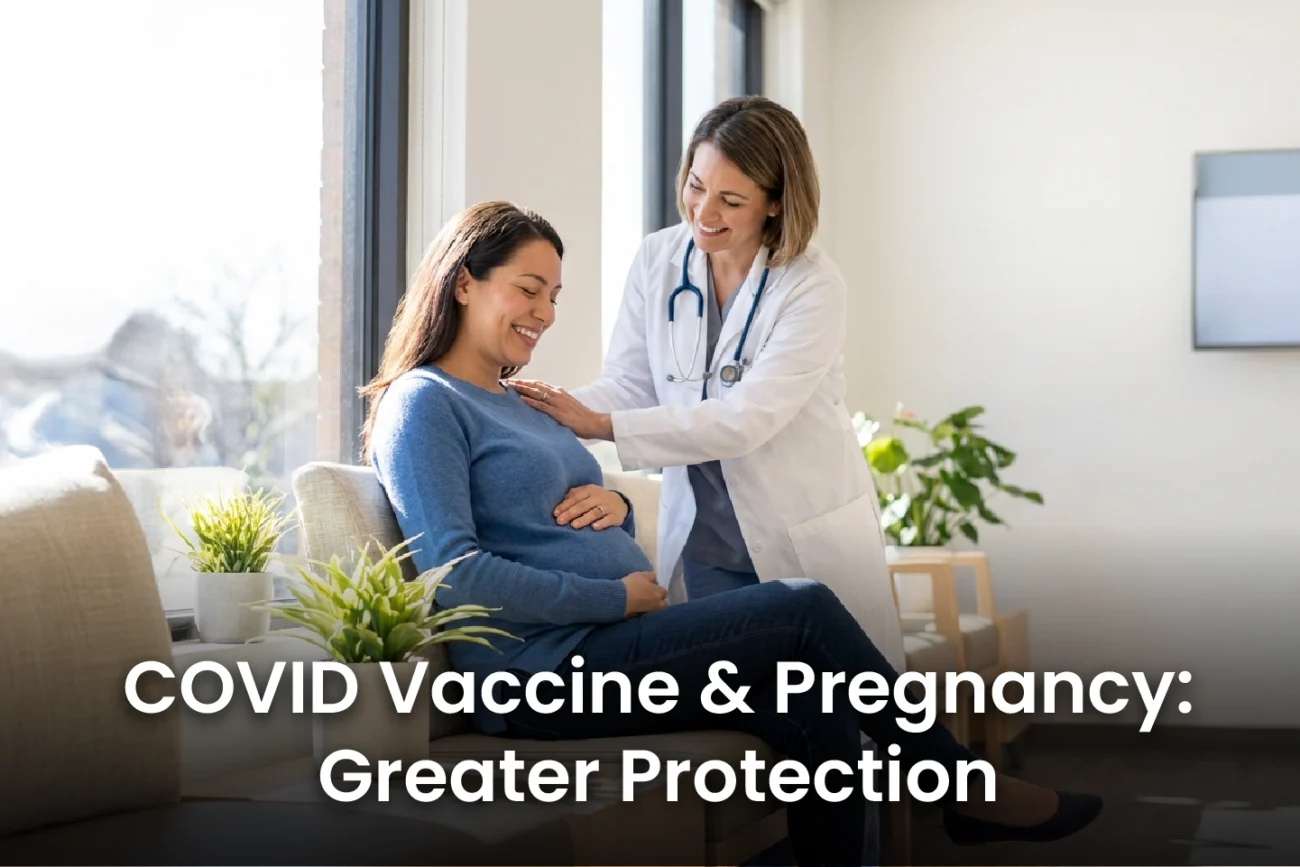
Pregnant women face a higher risk of severe coronavirus disease 2019 (COVID-19) infection. Therefore, health authorities strongly recommend COVID-19 vaccine pregnancy for everyone aged six months or older. A new study investigated the effectiveness of the 2023-2024 vaccine. This study focused on emergency department (ED) and urgent care encounters in this vulnerable group.
Key Findings on 2023-2024 Vaccine Effectiveness
Researchers used a test-negative design to assess the effectiveness of one dose of the 2023-2024 COVID-19 vaccine. The study included pregnant women aged 18-45 years who presented with COVID-19 symptoms between September 2023 and August 2024. Significantly, the vaccine effectiveness (VE) against COVID-19-associated ED and urgent care encounters reached 58% (95% CI, 24-77%) among pregnant women. Conversely, the VE was 37% (95% CI, 29-44%) among nonpregnant women of the same age. Consequently, the 2023-2024 vaccines demonstrated a greater reduction in COVID-19-associated ED and urgent care visits for expectant mothers. This evidence reinforces the public health recommendation for vaccination during pregnancy. Furthermore, India’s Ministry of Health and Family Welfare (MoHFW) approved COVID-19 vaccination for pregnant women based on recommendations from the National Technical Advisory Group on Immunisation (NTAGI) . They acknowledge that the benefits of vaccination outweigh the potential risks for pregnant women .
COVID-19 Vaccine Pregnancy: Benefits Beyond Maternal Protection
The decision to receive the COVID-19 vaccine pregnancy has benefits that extend beyond simply protecting the mother. For instance, maternal vaccination results in the passive transfer of protective antibodies to the newborn. Moreover, studies conducted in India have shown that COVID-19 vaccination is safe for the mother and fetus. Specifically, one prospective cohort study among Indian pregnant women found neonatal intensive care unit (NICU) admission was significantly lower for neonates of vaccinated mothers . Similarly, a comprehensive systematic review suggests vaccination is effective in reducing the odds of maternal SARS-CoV-2 infection and hospital admission . This review also found vaccination associated with an 8% reduction in the risk of neonatal ICU admission . Thus, clinicians must continue to counsel pregnant women on the importance of timely COVID-19 vaccination.
Frequently Asked Questions
Q1: Are pregnant women considered a high-risk group for COVID-19?
Yes, pregnant women are at higher risk of severe illness, complications, and death from COVID-19 compared to nonpregnant women of reproductive age. Therefore, vaccination is a critical protective measure.
Q2: What was the effectiveness of the 2023-2024 COVID-19 vaccine in pregnant women?
The effectiveness of one 2023-2024 COVID-19 vaccine dose against COVID-19-associated emergency department and urgent care encounters was 58% among pregnant women, compared to 37% in nonpregnant women of the same age.
Q3: Does the Indian government recommend COVID-19 vaccination for pregnant women?
Yes, the Ministry of Health and Family Welfare (MoHFW), based on NTAGI recommendations, approved COVID-19 vaccination for pregnant women. This policy decision highlights that the benefits of vaccination outweigh the potential risks.
References
- Ciesla AA et al. Effectiveness of 2023-2024 Coronavirus Disease 2019 (COVID-19) Vaccines in Pregnant Women. Obstet Gynecol. 2025 Dec 11. doi: 10.1097/AOG.0000000000006145. PMID: 41380159.
- World Health Organization. Operational Guidance for COVID-19 Vaccination of Pregnant Women. Ministry of Health and Family Welfare (MoHFW), Government of India.
- Thakur B et al. Effect of the COVID-19 vaccination on feto-maternal outcomes: A prospective cohort study among Indian pregnant women. Indian J Med Res. 2024 Nov 27.