
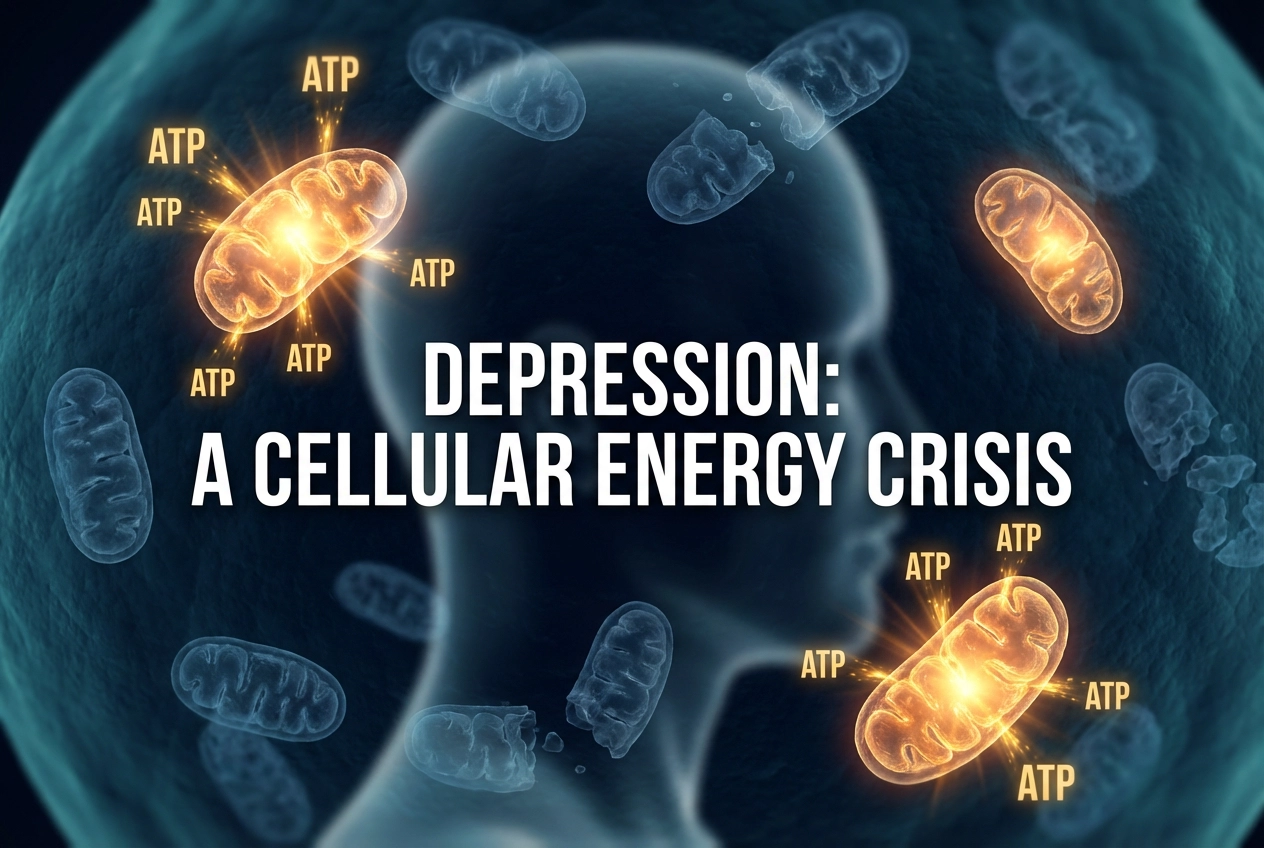
Why Fatigue Hits Hard: Cellular Energy in Depression
Major depressive disorder often presents with debilitating fatigue and exhaustion. However, researchers now believe that depression cellular energy imbalances are a primary biological cause. A study in Translational Psychiatry shows how brain and blood cells struggle to manage energy demands effectively. For those involved in understanding systemic biological changes in mental health, further education is vital. Consider exploring the Psychiatry Speciality Courses offered by OC Academy.
The Impact of Depression Cellular Energy on Fatigue
Scientists from the University of Queensland examined young adults aged 18 to 25. Interestingly, they found that cells in depressed patients overwork during periods of rest. However, these mitochondria struggle to increase energy production when the body faces stress. Consequently, this lack of spare capacity leads to persistent fatigue and low motivation. Furthermore, this discovery marks the first time patterns match in both brain and blood samples. Therefore, these cellular biomarkers might lead to earlier clinical diagnosis. Because cells remain in overdrive early on, this could cause long-term metabolic issues. Ultimately, this research helps clinicians understand the physical basis of cognitive slowing.
Frequently Asked Questions
Q1: Why do patients with depression feel constant fatigue despite resting?
The study suggests that cells in depressed individuals overwork during rest. Consequently, they lack the spare capacity to boost energy when needed, leading to physical exhaustion.
Q2: How does this study change the clinical understanding of depression?
It demonstrates that depression affects energy at a cellular level throughout the body. Thus, it proves that the condition involves systemic changes beyond just brain chemistry. Understanding these systemic changes is crucial for practitioners, and courses like the Postgraduate Diploma In Clinical Psychiatry can offer deeper insight.
References
- Energy production imbalance in brain, blood cells could contribute to fatigue indepression: Study – ETHealthworld
- Cullen, K. R., et al. (2026). ATP bioenergetics and fatigue in young adults with and without major depression. Translational Psychiatry.
- Varela, R. B., et al. (2026). Mitochondrial dysfunction in early-stage major depressive disorder. University of Queensland.
Disclaimer: This article was automatically generated from publicly available sources and is provided for informational and educational purposes only. OC Academy does not exercise editorial control or claim authorship over this content. It is not a substitute for professional medical advice, diagnosis, or treatment. Always consult a qualified healthcare provider and refer to current local and national clinical guidelines.