
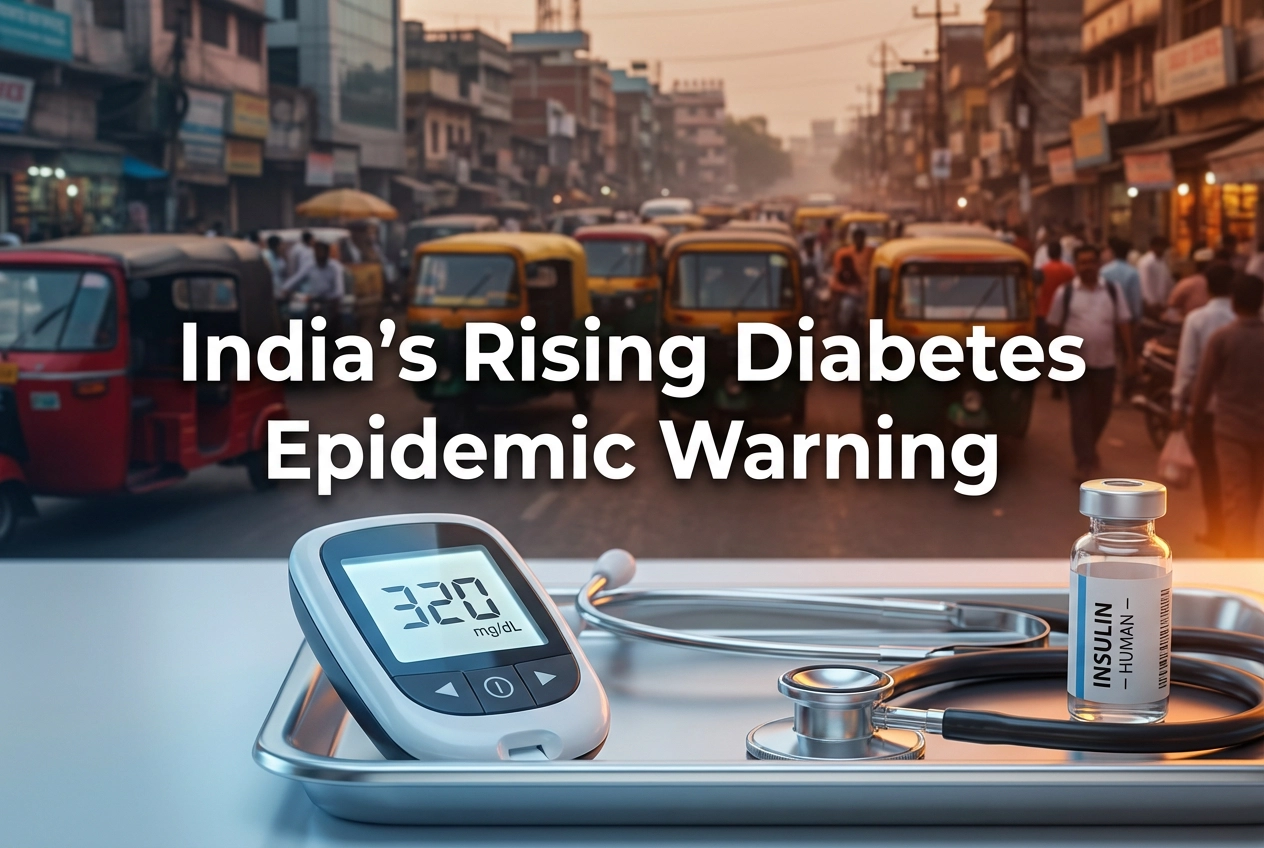
The **diabetes epidemic in India** is rapidly becoming a global “tsunami,” according to world-renowned virologist Peter Piot. This surge in metabolic diseases now represents a more significant threat than future viral pandemics. India remains particularly vulnerable due to skyrocketing prevalence rates across several states. Consequently, healthcare systems must adapt to this shifting disease landscape immediately. For specialized training in this area, consider the International Post Graduate Program In Diabetes Mellitus Management.
Addressing the Diabetes Epidemic in India
Peter Piot recently highlighted that metabolic diseases are the top health threat for the rest of the century. Specifically, he noted that in states like Kerala, nearly 25% of adults already suffer from diabetes. This rapid rise is not limited to India but reflects a global epidemic. Furthermore, the transition from infectious disease focus to chronic care is essential for long-term health resilience. Therefore, India must prioritize healthy longevity alongside basic survival. Managing chronic conditions requires a shift in public health strategy and clinical focus. Professionals looking to specialize in this growing field can enroll in the Certification Course In Diabetes And Metabolic Disorder Care.
Innovation and GLP-1 Therapies
Blockbuster anti-obesity drugs, such as GLP-1 therapies, currently meet a massive global demand. However, these medications remain prohibitively expensive for most patients who need them. Fortunately, the upcoming expiration of patents will likely trigger a wave of affordable alternatives. Moreover, India and China are poised to compete in the mass production of these essential drugs. Instead of focusing only on cheap manufacturing, India should also lead in biomedical innovation and discovery. Developing oral versions of these therapies could significantly improve patient adherence and outcomes. Explore advanced training in endocrinology via the Postgraduate Diploma In Endocrinology.
Future Resilience and Regulatory Reform
To combat the growing crisis, India needs a robust ecosystem between research, industry, and investors. Additionally, regulatory systems must evolve to keep pace with innovations like Artificial Intelligence and mRNA vaccines. Climate change also plays a critical role by shifting infectious disease patterns northward. Thus, governments should treat health as a national security issue rather than a mere cost. Finally, investing in trust and communication remains vital for preventing the next public health crisis. Strengthening surveillance and social trust will ensure better preparedness for future outbreaks.
Frequently Asked Questions
Q1: What is the main health threat identified by Peter Piot?
Peter Piot identifies a “tsunami” of obesity and diabetes as the world’s most significant health challenge. He warns that these metabolic diseases are spreading faster than many viral threats and require immediate attention. For comprehensive management strategies, the MSc In Obesity And Weight Management offers in-depth knowledge.
Q2: How will climate change affect future disease patterns?
Climate change will likely push mosquito-borne diseases like dengue into previously colder regions. Additionally, extreme heat will negatively impact pregnancy outcomes and cardiovascular health globally.
Q3: What role will India play in the future of GLP-1 therapies?
India is expected to be a major player in the mass production of affordable GLP-1 therapies once patents expire. There is also a significant push for Indian researchers to innovate oral versions of these injectable drugs.
References
- Obesity & diabetes are world’s next health tsunami, warns ebola discovererPeter Piot – ETHealthworld
- India home to world’s second largest diabetes population in 2024: Study – Indian Express
- Burden of Obesity in India: Need for Policy Changes to Attain Highest Possible Level of Health and Well-Being – PMC
Disclaimer: This article was automatically generated from publicly available sources and is provided for informational and educational purposes only. OC Academy does not exercise editorial control or claim authorship over this content. It is not a substitute for professional medical advice, diagnosis, or treatment. Always consult a qualified healthcare provider and refer to current local and national clinical guidelines.