
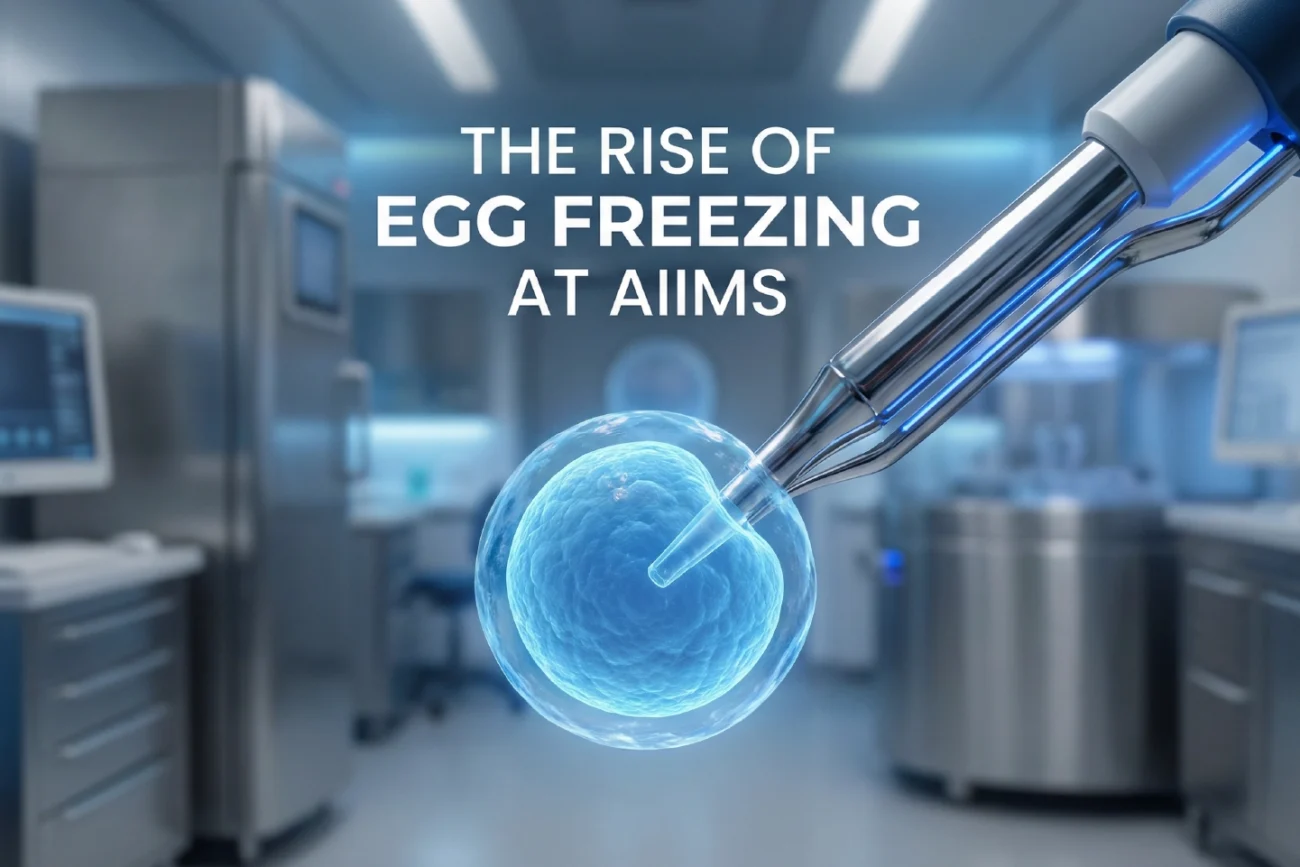
The Evolving Landscape of Oocyte Cryopreservation
Elective egg freezing has transitioned from a niche oncology service into a mainstream reproductive strategy. Dr. Neeta Singh from AIIMS Delhi recently noted that India’s fertility rate is declining rapidly. Consequently, women are increasingly utilizing technology to preserve their biological options for the future. For those involved in this specialized area, advanced training is essential in the International Post Graduate Program In Assisted Reproduction Techniques.
Technological Advancements in Elective Egg Freezing
Recent breakthroughs in cryopreservation techniques have significantly improved egg survival and fertilization rates. Furthermore, many clinicians now integrate AI-based predictive tools to provide more accurate reproductive forecasting. These advanced systems help patients understand the specific number of cycles required for success. Therefore, the procedure is becoming more precise and evidence-based.
Clinical Guidance for Personalized Fertility Care
Practitioners must offer realistic consultations because egg freezing acts as a safety net rather than a guarantee. Moreover, research suggests that women should ideally preserve their eggs before the age of 32. This timing is critical because Indian women often face premature ovarian aging. Additionally, personalized ovarian stimulation protocols ensure that the procedure aligns with the patient’s unique medical profile. Understanding personalized protocols is key to advancing reproductive care, which is covered extensively in the Post Graduate Program In Gynaecology.
Frequently Asked Questions
Q1: Why is the age of 32 significant for egg freezing in India?
Indian women are often prone to premature ovarian aging, making preservation before age 32 more effective for future success.
Q2: How does artificial intelligence help in the freezing process?
AI tools analyze ovarian reserve markers to predict the optimal number of eggs needed for a successful pregnancy outcome.
Q3: Is elective egg freezing considered fertility insurance?
No, experts prefer the term “reproductive safety net” because it carries limitations and does not ensure a live birth.
References
- Future of egg freezing moving toward AI analysis and Personalized procedures:AIIMS Professor – ETHealthworld
- ASRM Guidelines on Elective Oocyte Cryopreservation for Age-Related Fertility Decline.
- The Lancet: Global Trends in Total Fertility Rates and Reproductive Health.
Disclaimer: This article was automatically generated from publicly available sources and is provided for informational and educational purposes only. OC Academy does not exercise editorial control or claim authorship over this content. It is not a substitute for professional medical advice, diagnosis, or treatment. Always consult a qualified healthcare provider and refer to current local and national clinical guidelines.