
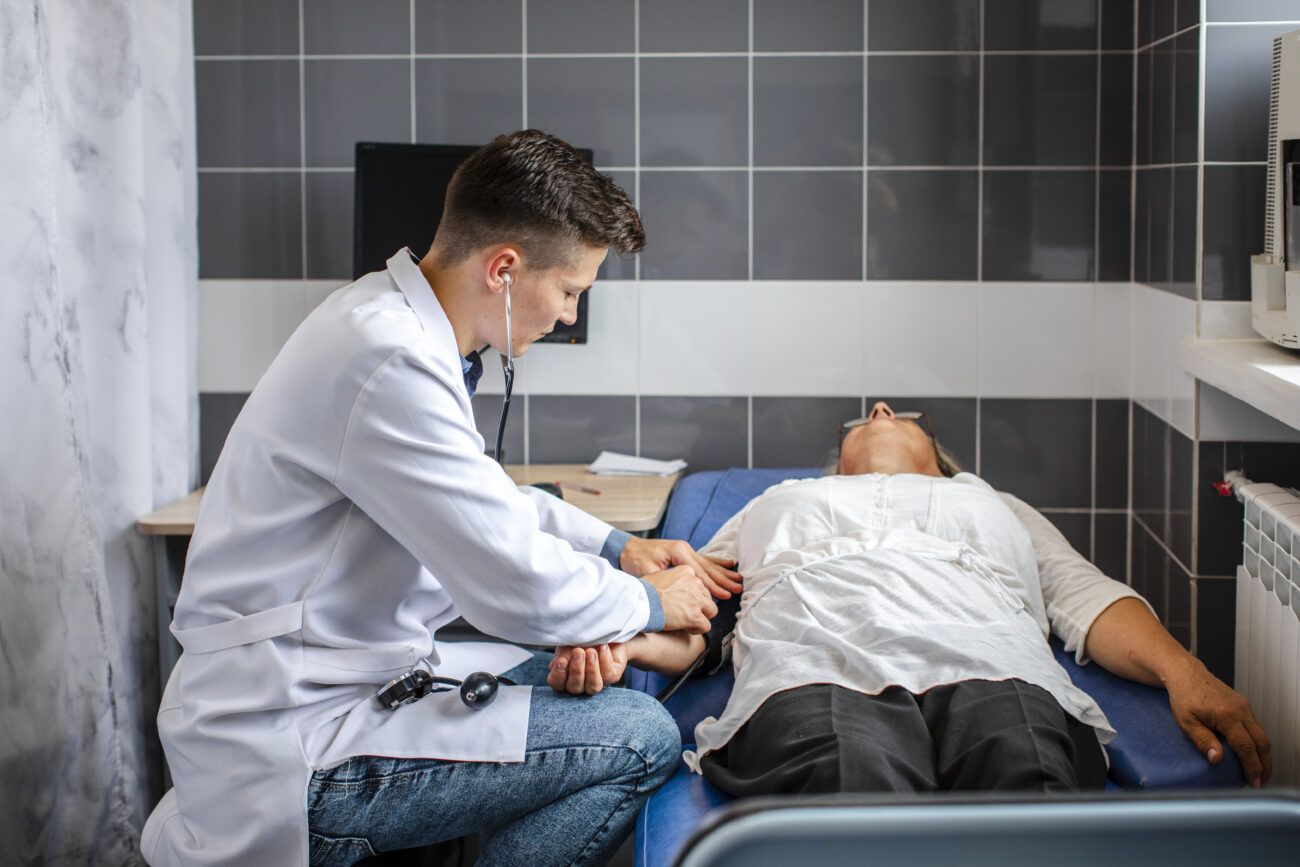
In today’s dynamic healthcare environment, General Practitioners (GPs) are increasingly called upon to manage urgent and emergency presentations within primary care settings. Whether in walk-in clinics, urgent care centres, or even remote consultations, GPs are often the first point of medical contact for patients facing acute symptoms. This evolving role necessitates a broader, more responsive clinical skill set, particularly in emergency medicine (EM).
This blog explores why upskilling in emergency care has become essential for GPs, what core competencies are needed, and how flexible online emergency care courses for GPs can help meet this demand without disrupting active practice. It also outlines how OC Academy supports this transition through internationally recognised modules designed specifically for working medical professionals.
The Expanding Role of GPs in Emergency Medicine
While traditionally associated with long-term care, health monitoring, and preventive medicine, the modern GP must now be prepared for immediate medical decision-making. Common emergency presentations—such as chest pain, breathlessness, anaphylaxis, seizures, sepsis, or trauma—are no longer confined to emergency departments.
In India and other countries with overburdened secondary care systems, GPs frequently act as gatekeepers. Their ability to rapidly assess and stabilise patients not only improves outcomes but also reduces unnecessary hospital admissions. As healthcare delivery becomes increasingly decentralised, frontline proficiency in emergency medicine for general practitioners is no longer optional—it’s vital.
Why GPs Need Emergency Medicine Competencies
The case for urgent care training for doctors in generalist practice is underpinned by both patient safety and professional development:
- Clinical Preparedness: From acute asthma attacks to diabetic ketoacidosis, timely intervention can be life-saving. GPs with urgent care skills for physicians can make more accurate decisions regarding escalation and stabilisation.
- Confidence and Autonomy: Many GPs report feeling underprepared for high-stakes scenarios. Training in emergency protocols, triage, and point-of-care interventions enhances clinical confidence.
- Scope Expansion: In many health systems, especially in rural or resource-limited settings, GPs with EM training may also oversee emergency rooms, ambulance services, or after-hours clinics.
- Continuity of Care: EM knowledge supports not just acute response but also follow-up and integration with long-term management, providing holistic care across the patient journey.
Core Emergency Medicine Skills Relevant to GPs
While emergency medicine as a speciality is vast, certain foundational skills are particularly applicable in general practice settings:
- Initial Assessment & Triage: Quickly determining severity, red flags, and need for referral.
- Basic Life Support (BLS) & Advanced Cardiovascular Life Support (ACLS): Essential for cardiac arrest, stroke, or respiratory failure scenarios.
- Airway and Breathing Management: Using oxygen delivery systems, suction techniques, and recognising airway compromise.
- Point-of-Care Diagnostics: Using ECGs, glucometers, pulse oximetry, and rapid urinalysis effectively.
- Wound Management & Trauma First Response: Including fracture immobilisation and bleeding control.
- Medication Use in Emergencies: Safe administration of emergency drugs like adrenaline, salbutamol, diazepam, and antihypertensives.
By focusing on such real-world, high-yield scenarios, structured urgent care training equips doctors with practical competencies that align with their clinical responsibilities.
Barriers to Traditional EM Training for GPs
Despite the clear benefits, many general practitioners find it difficult to pursue traditional emergency medicine pathways such as MD or DNB programmes due to:
- Time Constraints: Full-time hospital-based programmes are incompatible with active practice.
- Geographic Limitations: Access to reputable training centres may be difficult in non-urban settings.
- Professional Commitments: Leaving practice to pursue training is not feasible for many mid-career professionals.
- Financial Considerations: The Cost and opportunity loss of extended residential training can be prohibitive.
This is where modern, modular, and online emergency care courses for GPs offer a solution that is both accessible and effective.
Online Emergency Medicine Upskilling: A Practical Solution
Modern emergency medicine online courses specifically designed for practising doctors now enable upskilling in emergency care with flexibility and international relevance. These programmes combine academic rigour with practical clinical context and allow learners to progress at their own pace.
Key benefits include:
- Flexible Scheduling: Doctors can study during off-hours without disrupting their practice.
- Simulation and Case-Based Learning: Realistic, scenario-driven learning improves retention and applicability.
- Global Curriculum: Courses often follow UK, US, or Australia-based guidelines, aiding international mobility.
- Certification and Credibility: Recognised certifications enhance professional profiles and job eligibility, both domestically and abroad.
Such formats are especially suitable for generalists who need focused, outcome-based learning rather than long-term hospital rotations.
OC Academy: Enabling Targeted Upskilling in Emergency Medicine
OC Academy offers internationally recognised emergency medicine online courses developed in partnership with reputed institutions. These are tailored for practising MBBS/MD doctors, including GPs seeking to enhance their urgent care capabilities.
Depending on your learning goals, OC Academy provides:
- Short-Term Modules: Designed for practising doctors seeking rapid upskilling, these online certification courses in Emergency Medicine cover essential skills such as airway management, trauma response, cardiovascular emergencies, and initial resuscitation.
OC Academy offers structured, flexible modules like the Certificate Course in Emergency Medicine, which are ideal for GPs aiming to build confidence in urgent care while managing ongoing clinical duties. - Comprehensive Pathways: Such as the Post Graduate Diploma in Emergency Medicine — an online course providing deep exposure to emergency protocols and resuscitation science.
- Career-Aligned Programmes: Including options like the Clinical Fellowship in Emergency Medicine with MRCEM Training, designed for those considering long-term integration into emergency care or international placement.
- Mentor Support: With expert faculty guidance and a learning pathway that respects the clinical commitments of busy practitioners.
These structured programmes address both foundational and advanced needs, bridging the gap between routine general practice and acute care readiness.
Real-World Impact: How Upskilled GPs Strengthen Primary Care
The effect of EM-ready GPs extends beyond individual competence:
- Improved Patient Outcomes: Faster intervention for acute issues reduces mortality and complications.
- Reduced System Load: Many cases can be managed effectively in primary care, decreasing referrals.
- Better Patient Trust: Patients gain confidence knowing their GP can handle emergencies.
- Enhanced Professional Scope: EM-upskilled doctors can take on new roles in telemedicine triage, paramedical oversight, and emergency department support.
Moreover, GPs trained in emergency care become valuable assets in disaster response, public health crises, and rural outreach initiatives—sectors where agility and autonomy are essential.
Choosing the Right EM Path as a GP
Not all doctors require the same level of emergency medicine training. The best approach is to start with your clinical goals:
- If you manage a high volume of acute cases, consider enrolling in a comprehensive postgraduate diploma.
- If you require focused enhancement in specific scenarios (e.g., paediatric emergencies or airway management), begin with short-format online modules.
- If international practice is on your radar, opt for globally aligned programmes that integrate exam prep or recognised certifications like MRCEM.
Upskilling in emergency care is not a one-size-fits-all decision—it’s about matching the course design to your clinical exposure and future ambitions.
Conclusion
Emergency medicine is no longer the sole domain of hospital-based specialists. As frontline care becomes more integrated and decentralised, General Practitioners are now expected to possess critical urgent care capabilities.
For GPs, this is not just a clinical requirement—it is a professional opportunity. With structured, flexible, and globally aligned online learning now readily accessible, there has never been a better time to invest in upskilling in emergency care.
Whether you’re aiming to improve acute case handling in your practice, expand your role in primary care networks, or prepare for international mobility, online emergency care courses for GPs offer a practical and future-ready path forward.
Frequently Asked Questions (FAQs)
1. Why is emergency medicine training important for general practitioners?
Emergency medicine training equips GPs to handle acute conditions such as chest pain, trauma, seizures, and sepsis—conditions that often present first in primary care settings. It enhances patient outcomes and allows for timely interventions before specialist referral.
2. What are the key emergency care skills a GP should develop?
Essential skills include triage and initial assessment, airway and breathing management, BLS/ACLS, use of point-of-care diagnostics, trauma response, and safe administration of emergency medications.
3. How is upskilling in emergency medicine different from full-time EM specialisation?
Upskilling focuses on equipping GPs with practical, high-yield emergency skills without requiring a full-time MD or DNB pathway. It allows generalists to expand capabilities without leaving their current practice.
4. Can online courses effectively teach emergency care competencies?
Yes. Modern emergency medicine online courses use simulations, case-based modules, and international guidelines to deliver clinically relevant and applicable knowledge suited to busy practitioners.
5. Is emergency medicine training useful for GPs in rural or resource-limited areas?
Absolutely. In underserved regions, GPs often serve as the first and only point of acute care. EM training empowers them to stabilise patients, reduce unnecessary referrals, and manage emergencies with limited support.