
Introduction to Hormonal Suppression and Bone Safety
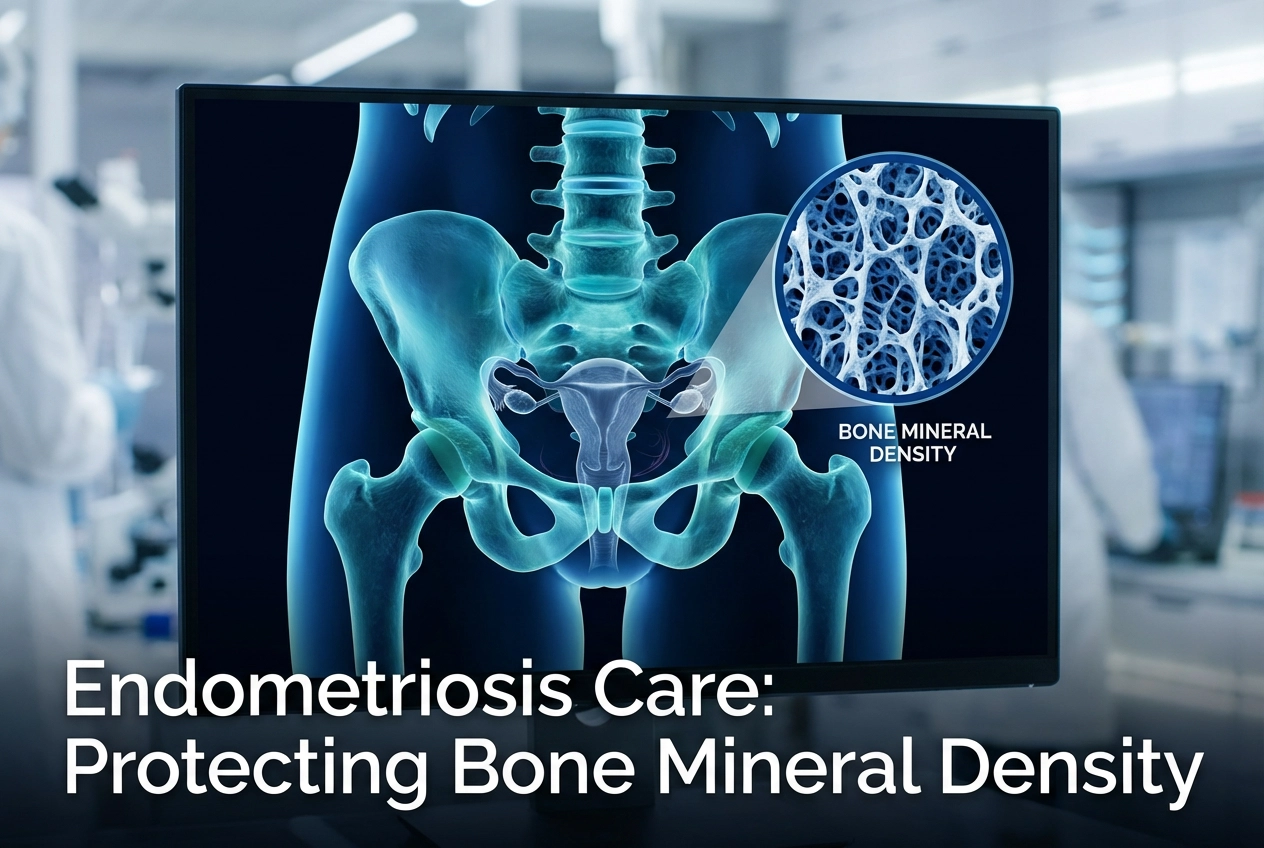
Endometriosis treatment bone health is a critical consideration for clinicians when prescribing long-term hormonal therapy. Recent clinical data suggests that common medical interventions can significantly impact bone mineral density over time. Managing chronic pelvic pain often requires suppressing estrogen levels. Consequently, this state of hypoestrogenism can inadvertently lead to skeletal depletion. Doctors must therefore balance the benefits of symptom control against the potential risks to the patient’s skeletal system.
The Impact of GnRH Agonists on Bone Density
Research indicates that gonadotropin-releasing hormone (GnRH) agonists lead to a measurable decrease in bone mineral density. A recent pooled analysis showed a loss of nearly 0.9% after only six months of use. This reduction nearly doubles to 1.5% after one year of continuous treatment. Furthermore, specific agents like leuprolide and goserelin show distinct patterns of bone loss. Notably, clinicians often use add-back therapy to mitigate these effects. However, even with supplemental hormones, some level of bone depletion may still occur during the treatment period. This trend remains consistent across multiple clinical trials and patient populations.
Dienogest and Long-Term Skeletal Integrity
Dienogest is another common option for managing endometriosis symptoms. The meta-analysis associated this progestin with a decrease in bone mineral density of 0.83% at the six-month mark. By 12 months, this loss typically reached 1.91%. Although these numbers appear significant, the researchers noted high heterogeneity between various studies. Consequently, the consistency of these findings remains a point of active discussion among global experts. Doctors should remain vigilant when prescribing this therapy for extended periods. Additionally, regular monitoring may be necessary for patients with existing risk factors for osteopenia.
Optimizing Endometriosis Treatment Bone Health
GnRH antagonists also showed a substantial impact on bone mineral density in recent findings. Studies reported a 2.17% decrease at the six-month mark. Interestingly, most of these specific trials lacked add-back therapy. This omission likely worsened the observed bone loss in those cohorts. Therefore, establishing a clear expert consensus is now more important than ever. We need unified guidelines for managing endometriosis treatment bone health in patients on long-term hormonal suppression. Medical professionals must prioritize the preservation of skeletal integrity while ensuring effective pain relief for their patients.
Frequently Asked Questions
Q1: Which medications cause the most significant bone loss in endometriosis treatment?
GnRH antagonists and GnRH agonists like leuprolide show the most pronounced effects on bone mineral density. Antagonists showed a 2.17% decrease at six months when used without add-back therapy.
Q2: Can add-back therapy completely prevent bone density loss?
Add-back therapy helps mitigate bone loss significantly, but some reduction in bone mineral density may still occur. Clinicians should monitor patients on long-term therapy regardless of add-back use.
Q3: Is the bone loss seen with dienogest considered clinically significant?
While dienogest is associated with nearly a 2% loss over 12 months, the long-term clinical significance remains uncertain. Further research is needed to determine the fracture risk associated with this treatment.
References
- Desilets J et al. Effect of Medical Therapies for Endometriosis on Bone Health: A Systematic Review and Meta-analysis. Obstet Gynecol. 2026 Mar 19. doi: 10.1097/AOG.0000000000006241. PMID: 41855532.
- Gynqi.com. (2025). GnRH Antagonist Combination Therapy for Endometriosis and Heavy Periods.
- Endometriosis.net. (2026). GnRH Antagonists in Endometriosis: Evaluating the Evidence for Sustained Pain Reduction.
“