
New US Proposal for Ethylene Oxide Sterilization Limits
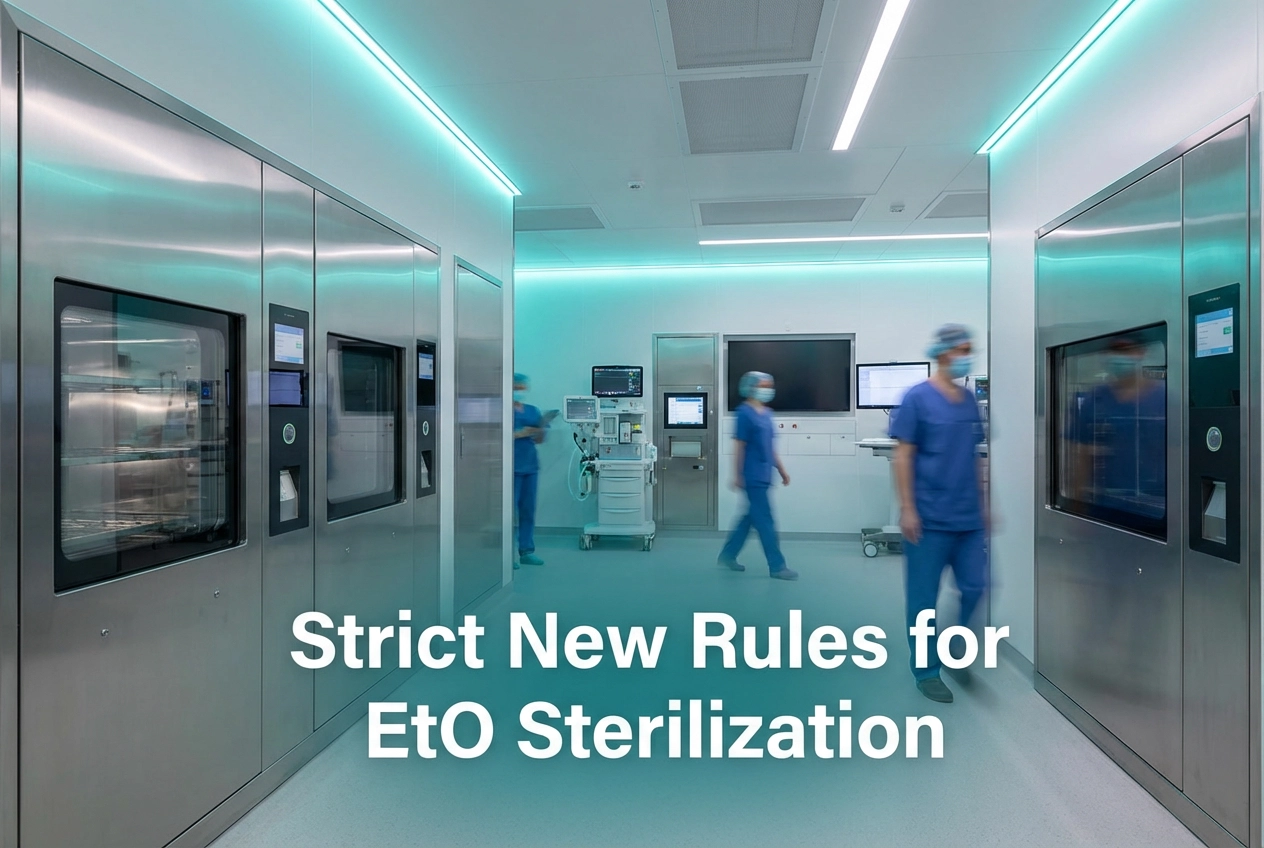
The US Environmental Protection Agency (EPA) recently proposed changes to the regulations governing Ethylene oxide sterilization. This new rule seeks to reverse stricter standards implemented during the Biden administration in 2024. Consequently, the proposal aims to safeguard the national medical device supply chain. Officials argue that existing constraints could prevent facilities from cleaning essential tools like heart stents and catheters.
Impact of Ethylene oxide sterilization on Supply Chains
Ethylene oxide (EtO) remains a critical tool for the medical industry. According to the EPA, this colorless gas cleans approximately half of all medical devices produced in the United States. However, long-term exposure to EtO emissions has been linked to increased cancer risks for people living near sterilization plants. Therefore, balancing worker safety with the availability of life-saving equipment is a significant challenge.
The latest proposal offers manufacturers more flexibility in meeting safety standards. For instance, companies can choose between installing new monitoring systems or making ventilation adjustments in certain high-emission areas. Moreover, this shift could save an estimated $43 million annually. The EPA believes these changes better reflect the operational complexity of modern sterilization facilities.
Regulatory Shifts and Public Health
The medical community and industry leaders previously expressed concerns that the 2024 standards were too rigid. They suggested that the high costs and strict monitoring could lead to facility closures. Thus, the new proposal intends to provide the flexibility needed to maintain a secure supply of sterile equipment. A public hearing will occur in approximately 15 days to discuss the health and economic impacts of these changes.
Frequently Asked Questions
Q1: Why is ethylene oxide sterilization considered controversial?
Ethylene oxide is a known human carcinogen linked to leukemia and lymphoma. While it is highly effective at cleaning medical devices, its emissions can pose health risks to nearby communities. Professionals focused on public health and regulatory compliance should explore advanced training in related fields, such as safe prescribing and environmental impact assessment.
Q2: What are the main benefits of using ethylene oxide for medical devices?
The gas is essential because it can sterilize heat-sensitive materials that steam or radiation might damage. It effectively penetrates complex device designs to ensure they are safe for clinical use. For physicians managing these complex sterilized tools, understanding areas like Intensive Care Medicine or specific areas like Cardiology that rely on these devices is crucial.
References
- US proposes easing limits on cancer-causing gas used to clean medical devices – ETHealthworld
- EPA.gov – Final Rule on Ethylene Oxide Emissions
- FDA.gov – Sterilization for Medical Devices
Disclaimer: This article was automatically generated from publicly available sources and is provided for informational and educational purposes only. OC Academy does not exercise editorial control or claim authorship over this content. It is not a substitute for professional medical advice, diagnosis, or treatment. Always consult a qualified healthcare provider and refer to current local and national clinical guidelines.