
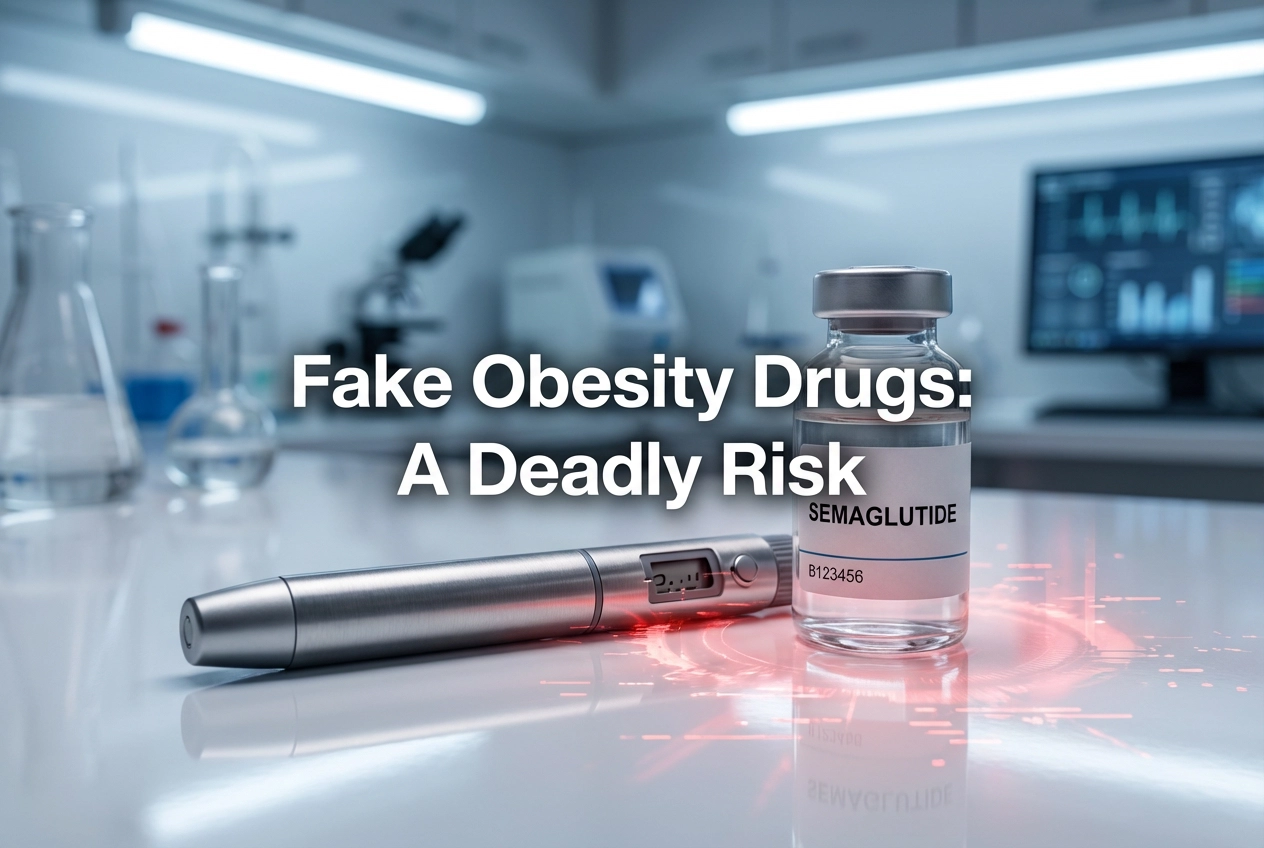
The global market currently faces a rise in fake obesity drugs. Consequently, many patients unknowingly purchase dangerous counterfeit versions of Ozempic or Mounjaro. High prices and lack of insurance coverage drive this growing public health crisis. Therefore, medical professionals must educate their patients about the dangers of unregulated sources. Protecting patient health requires a deep understanding of the risks associated with fraudulent injectables. Physicians managing complex metabolic conditions may benefit from specialized training in areas like obesity and weight management.
The Surge in Fake Obesity Drugs
Reports indicate that counterfeit medications are appearing in vacation areas and border pharmacies. Fraudulent sellers often exploit the high demand for weight-loss treatments. Furthermore, the World Health Organization has noted a spike in falsified GLP-1 receptor agonists across sixty countries. This trend intensifies because self-diagnosis and unregulated online sales have become more common. However, these products often lack the necessary clinical oversight for safe use. Therefore, the spread of falsified products represents a significant threat to public trust in medicine. Additionally, the availability of tablet forms may allow falsifiers to produce these drugs at a larger scale. Healthcare providers must emphasize the importance of using authorized supply chains for all medications. Knowledge regarding safe drug handling and prescription practices is paramount, something covered in our Certification Course In Safe Prescribing.
Health Risks of Counterfeit Injectables
Counterfeit GLP-1 receptor agonists pose severe clinical dangers to patients. These products often contain incorrect dosages or entirely lack active ingredients. Moreover, some samples contain harmful substances that cause life-threatening complications. Patients using these fakes might experience hyperglycaemia or cardiovascular issues. In one instance, the FDA seized dozens of counterfeit products distributed outside authorized channels. These illegal items led to multiple adverse events among users. Similarly, patients face risks when they attempt self-prescription without medical supervision. Clinicians play a vital role in monitoring dosing and follow-up care. By ensuring appropriate indications, doctors can prevent the worsening of health stigmas. Ultimately, access to genuine medication remains a critical factor in managing obesity safely. Understanding the underlying pathology of diabetes is crucial, especially when managing complex metabolic swings that can be exacerbated by unregulated treatments. Consider further study with the International Post Graduate Program In Diabetes Mellitus Management.
Frequently Asked Questions
Q1: How can patients identify fake obesity drugs?
Patients should look for perfect-looking labels and boxes that may actually be re-wrapped pens. It is nearly impossible to distinguish them by sight alone, so purchasing from authorized pharmacies is essential.
Q2: What are the main drivers behind the increase in counterfeit medications?
High prices, limited insurance coverage, and a strong desire for weight loss drive patients toward cheaper, unregulated sources. This demand allows fraudulent sellers to thrive in the global market.
Q3: What should a doctor do if they suspect a patient is using a counterfeit drug?
The doctor should advise the patient to stop using the product immediately and report it to health authorities. They must also counsel the patient on the severe risks of cardiovascular issues and incorrect dosing.
References
- Sale of fake obesity drugs driven by high prices, weight-loss desire promptshealth concern: Lancet – ETHealthworld
- WHO Medical Product Alert: Falsified GLP-1 receptor agonists.
- FDA Warning: Counterfeit Ozempic (semaglutide) injection detected in the US supply chain.
Disclaimer: This article was automatically generated from publicly available sources and is provided for informational and educational purposes only. OC Academy does not exercise editorial control or claim authorship over this content. It is not a substitute for professional medical advice, diagnosis, or treatment. Always consult a qualified healthcare provider and refer to current local and national clinical guidelines.