
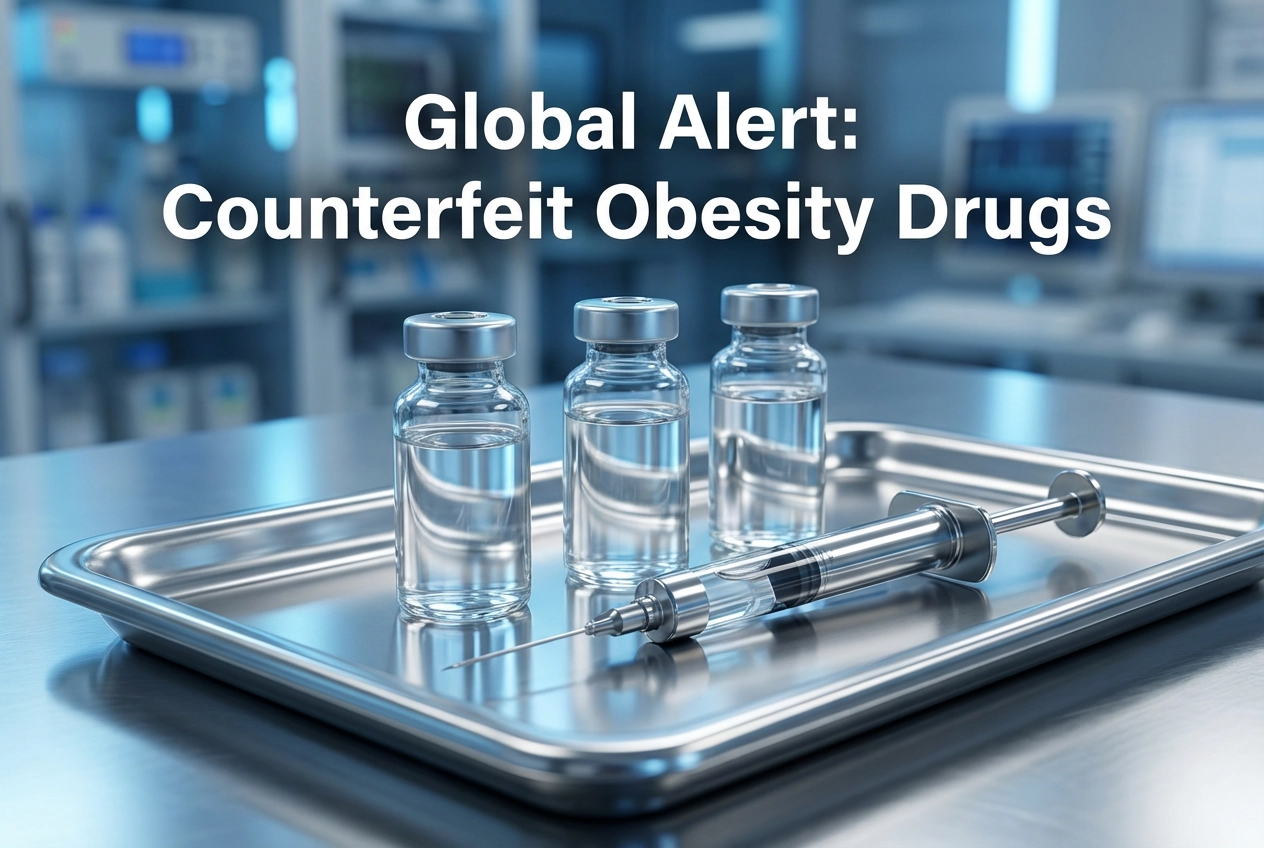
The Dangerous Rise of Counterfeit Weight-Loss Injections
Fake obesity drugs are currently flooding international markets, presenting a significant challenge for healthcare providers and patients alike. Because of high prices and supply shortages, many people seek cheaper alternatives through unregulated channels. Consequently, counterfeit versions of semaglutide and tirzepatide have appeared in various countries. These falsified products often contain harmful substances or lack the necessary active ingredients. Therefore, doctors must educate patients about the severe risks involved with these unverified medications. Professionals interested in managing complex lifestyle disorders can deepen their expertise through the Postgraduate Diploma In Obesity And Weight Management.
The Impact of Fake Obesity Drugs on Global Health
The Lancet recently highlighted how high costs and insurance gaps drive the illicit market. Specifically, health journalist Sophie Cousins reported that counterfeit versions of Ozempic and Mounjaro are sold in vacation spots and at border pharmacies. Furthermore, Shabbir Safdar from the Partnership for Safe Medicines stated that this fraud level is unprecedented. Because these pens often look perfect, patients cannot easily distinguish them from genuine products. Consequently, unsuspecting buyers face life-threatening complications instead of therapeutic benefits.
Serious Risks of Falsified GLP-1 Agonists
Notably, falsified GLP-1 receptor agonists often lead to ineffective treatment outcomes. Research indicates that these fake products may cause hyperglycemia or cardiovascular issues. Moreover, the FDA has already seized dozens of counterfeit units distributed outside authorized supply chains. Because these products bypass regulatory oversight, they may contain incorrect dosages or toxic ingredients. Therefore, the WHO emphasizes that only qualified healthcare professionals should prescribe these injections to ensure patient safety. For practitioners needing robust guidelines on medication administration and safety, the Certification Course In Safe Prescribing is highly relevant.
Frequently Asked Questions
Q1: Why are fake obesity drugs becoming more common?
A high demand for weight-loss treatments, combined with high prices and supply shortages, has created a lucrative market for counterfeiters. Additionally, unregulated online sales make these products easily accessible to the public. Physicians looking to manage metabolic conditions effectively might benefit from the Certification Course In Diabetes And Metabolic Disorder Care.
Q2: What are the health risks of using counterfeit GLP-1 medications?
Counterfeit drugs may contain harmful ingredients or incorrect dosages. Consequently, patients might experience severe hyperglycemia, cardiovascular complications, or a complete lack of therapeutic effect.
Q3: How can patients ensure they are buying genuine medication?
Patients should only obtain GLP-1 agonists through a prescription from a licensed healthcare provider. Furthermore, they must purchase the medication from authorized, reputable pharmacies rather than unregulated online sources or border shops.
References
- Sale of fake obesity drugs driven by high prices, weight-loss desire promptshealth concern: Lancet – ETHealthworld
- WHO Medical Product Alert N°2/2024: Falsified GLP-1 receptor agonists
- FDA Warns Consumers Not to Use Counterfeit Ozempic (Semaglutide) Found in U.S. Drug Supply Chain
Disclaimer: This article was automatically generated from publicly available sources and is provided for informational and educational purposes only. OC Academy does not exercise editorial control or claim authorship over this content. It is not a substitute for professional medical advice, diagnosis, or treatment. Always consult a qualified healthcare provider and refer to current local and national clinical guidelines.