
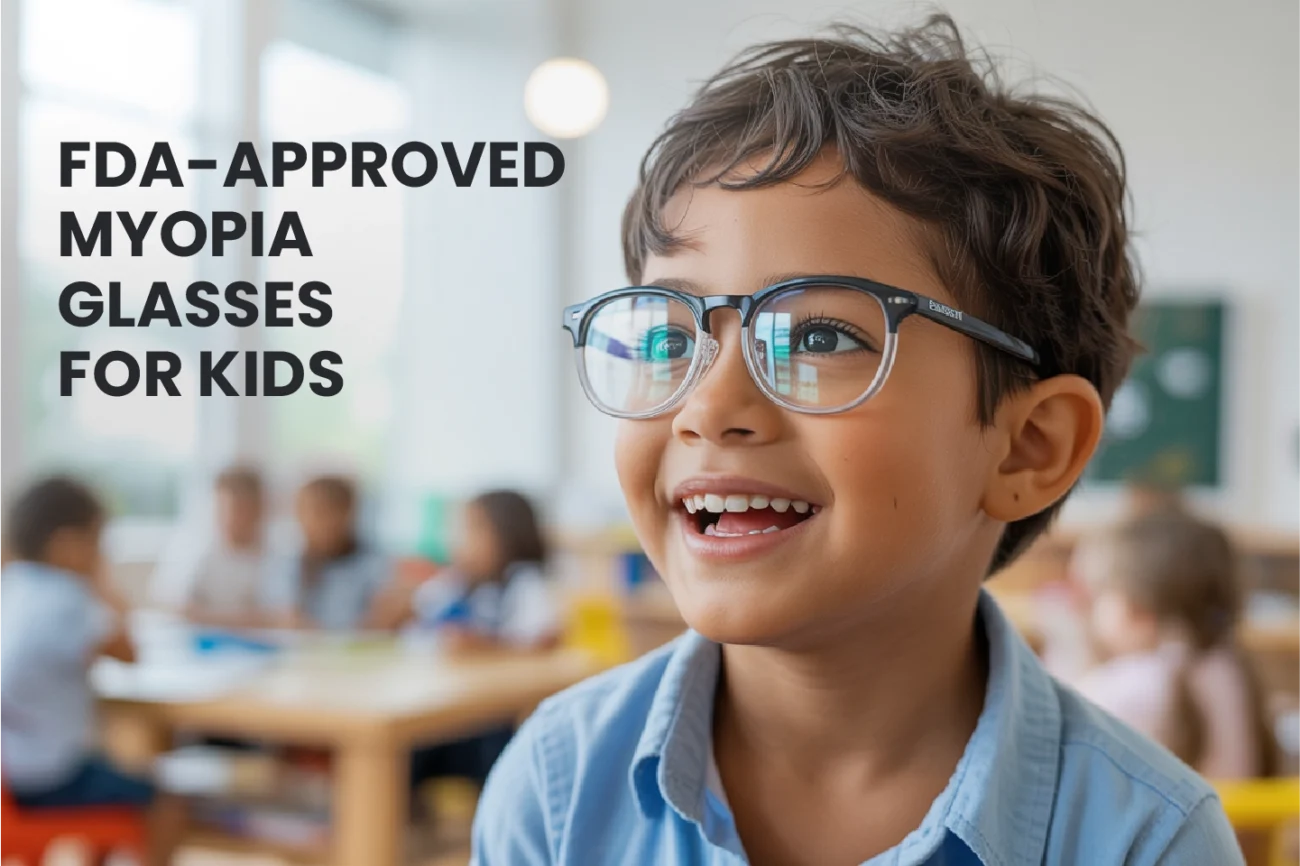
New FDA-Approved Glasses Offer Breakthrough in Pediatric Myopia Control
The U.S. Food and Drug Administration (FDA) recently authorized a new type of spectacle lens to manage nearsightedness in children. These myopia control glasses, sold under the brand Essilor Stellest, represent a significant advancement in pediatric eye care. For many years, doctors could only correct vision and watch the condition worsen. But now, this innovative approach can actively slow the progression of myopia in kids aged 6 to 12. This development offers a non-invasive spectacle option for families concerned about their child’s long-term eye health.
Understanding Myopia and Its Rising Prevalence
Myopia, or nearsightedness, is a common condition. It causes distant objects to appear blurry while close objects remain clear. Global studies show rising rates of myopia in children. Specifically, researchers associate this trend with increased time indoors. Moreover, more time spent looking at close-range objects like books and screens contributes to the issue. This chronic eye disease causes the eyeball to grow too long. Consequently, this elongation worsens vision and significantly increases the risk of serious complications later in life.
How Essilor Stellest Myopia Control Glasses Work
The Essilor Stellest lenses use a specialized technology called Highly Aspherical Lenslet Target (H.A.L.T.). This is an important distinction from traditional lenses. The design incorporates a central clear zone for sharp distance vision. Furthermore, this zone is surrounded by 11 concentric rings containing over 1,000 tiny, aspherical lenslets. These lenslets work to create a “volume of myopic defocus” (VoMD) in front of the retina. This simultaneous focus and defocus signal tells the eye to slow its growth. Therefore, the lens actively manages the key physiological change that drives myopia progression.
Clinical Efficacy and Safety Data
The FDA authorized the lenses based on two-year clinical trial data. This data demonstrated exceptional efficacy. Specifically, children wearing the Stellest lenses showed a 71% reduction in myopia progression. In addition, the lenses slowed eye elongation by 53% compared to children wearing single-vision lenses. This reduction in axial length is crucial. Although there were no serious adverse events, some children reported minor visual disturbances. For example, some patients noticed halos around lights while wearing the glasses. The lenses are a low-risk option.
Spectacle vs. Contact Lens Options
Essilor Stellest is the first spectacle lens authorized by the FDA to slow myopia progression. The only other FDA-approved device for this purpose is the CooperVision MiSight daily disposable contact lens. However, many parents and physicians may prefer the glasses. Contact lenses can be challenging for younger children, aged 8 to 12. Therefore, the glasses offer an excellent, non-invasive alternative for a broad age range. Physicians also sometimes prescribe non-FDA-approved medicated eye drops. Ultimately, the choice of treatment must consider the child’s age, lifestyle, and preferences.
Frequently Asked Questions
Q1: What are the main risks of progressive myopia in children?
Progressive myopia causes the eye to become elongated, which increases the risk of serious, sight-threatening complications in adulthood. These long-term consequences include retinal detachment, cataracts, and glaucoma, which can ultimately lead to blindness.
Q2: How do Essilor Stellest lenses compare to older myopia treatments?
Standard single-vision glasses only correct vision; they do not slow the progression of myopia. Essilor Stellest lenses and the FDA-approved MiSight contact lenses are designed to actively slow eye growth, offering a distinct advantage over simple corrective lenses. The Stellest glasses are also a favorable option for children who may not be ready for daily contact lens wear.
Q3: Who is the ideal candidate for these new myopia control glasses?
Under the FDA’s approval, the lenses can be prescribed to any child with myopia between the ages of 6 and 12 years old at the start of treatment. They are an especially good option for children whose myopia is progressing and for those who are hesitant or unable to use contact lenses or atropine eye drops. For practitioners looking to deepen their understanding of child health management, the Certification Course In Paediatrics offers valuable insights.
References
- New FDA-approved glasses can slow nearsightedness in kids – ETHealthworld.
- FDA Authorizes Marketing of First Eyeglass Lenses to Slow Progression of Pediatric Myopia. FDA.
- Essilor Stellest is the first and only FDA market authorized spectacle lens in the United States – EssilorLuxottica.
- How Does Essilor Stellest Lens Work? – Eyes Harvest Hills.
Disclaimer: This article was automatically generated from publicly available sources and is provided for informational and educational purposes only. OC Academy does not exercise editorial control or claim authorship over this content. It is not a substitute for professional medical advice, diagnosis, or treatment. Always consult a qualified healthcare provider and refer to current local and national clinical guidelines.