
Understanding Fetal Cardiac Rhabdomyoma and Its Risks
A prenatal finding of a fetal cardiac rhabdomyoma often triggers severe clinical concern regarding tuberous sclerosis complex (TSC). Indeed, this benign tumor serves as a classic prenatal marker of TSC. Consequently, accurate prediction and detailed risk stratification are crucial for counseling parents.
Evaluating Predictors of Tuberous Sclerosis Complex
A recent retrospective study of eighty fetuses analyzed how clinical indicators predict TSC when cardiac tumors are present. Specifically, researchers evaluated tumor multiplicity alongside advanced diagnostic imaging and genetic testing. The investigators determined that finding multiple tumors on ultrasound had a high sensitivity of 87.5% for predicting TSC. However, this clinical feature demonstrated low specificity of 50.0%. Thus, tumor multiplicity alone cannot reliably confirm a TSC diagnosis.
The Role of Fetal Brain MRI and Trio-WES
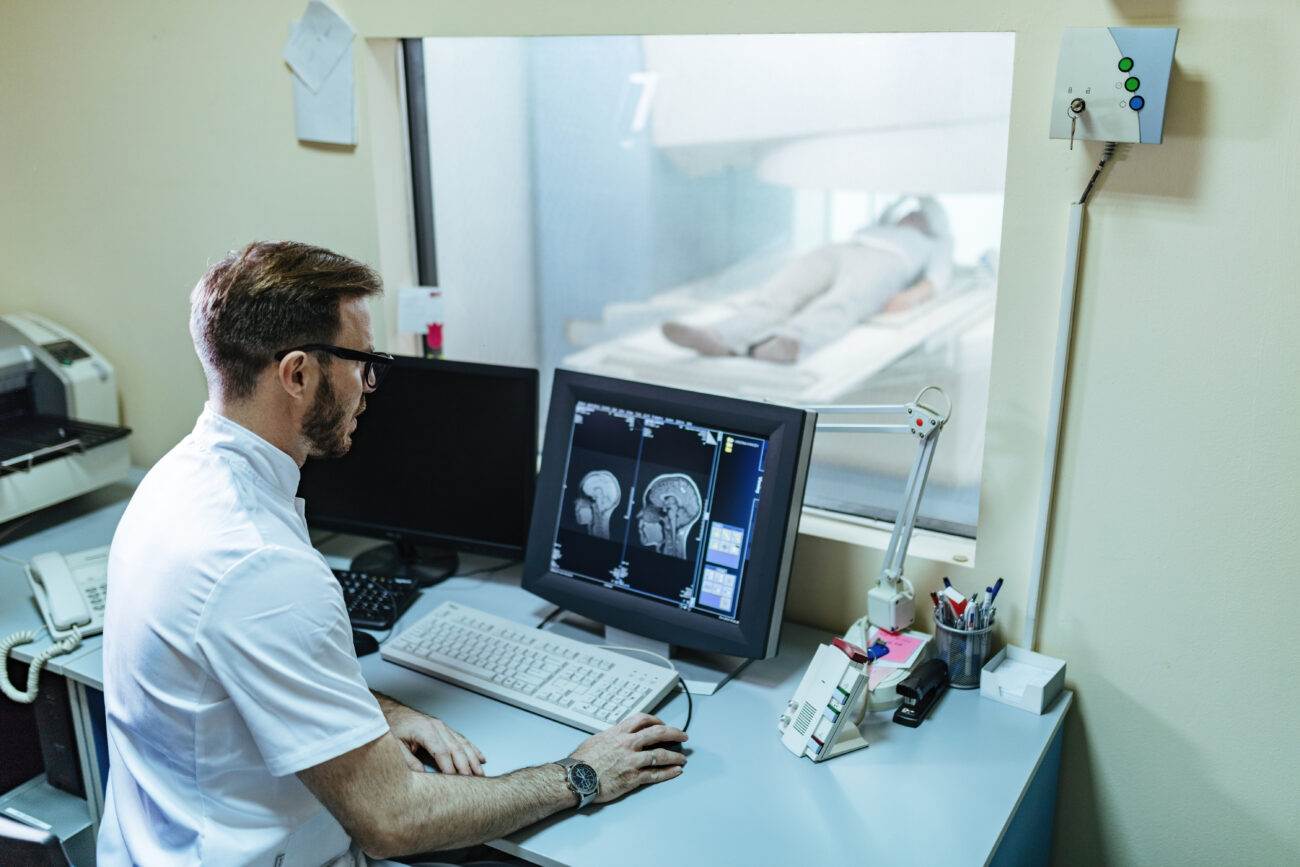
To improve diagnostic accuracy, the study implemented an integrated workflow combining fetal brain MRI and trio whole-exome sequencing (trio-WES). Among the seventy fetuses that underwent brain MRI, this advanced modality achieved an impressive specificity of 100%. Furthermore, MRI successfully identified central nervous system lesions in nearly 90% of TSC-positive cases. Importantly, eighty-one percent of these brain lesions remained completely occult on standard prenatal ultrasound. Therefore, fetal brain MRI represents an indispensable tool for identifying structural brain involvement.
In addition, the integration of genetic testing provided critical diagnostic benefits. Out of thirty-one cases undergoing trio-WES, pathogenic variants appeared in twenty cases, with 85% affecting the TSC2 gene. Remarkably, trio-WES identified pathogenic mutations in five TSC-positive cases that presented with normal fetal brain MRI. Conversely, brain MRI detected structural lesions in four cases that had negative trio-WES results. Consequently, combining both diagnostic modalities overcomes the developmental and genetic limitations of using either test alone.
Analyzing Clinical Outcomes and Perinatal Management
The clinical progression and perinatal choices varied significantly between the TSC-positive and TSC-negative groups. Specifically, sixty-two pregnancies underwent termination, representing 87.5% of TSC-positive cases and 62.5% of TSC-negative cases. For the eighteen liveborn infants, researchers noted critical clinical differences. For instance, TSC-positive infants showed a significantly lower birth weight compared to their TSC-negative peers. Moreover, all liveborn TSC-positive infants subsequently developed postnatal epilepsy, emphasizing the high morbidity of this condition.
Additionally, the specific mutated gene influenced clinical severity. Patients with TSC2 mutations suffered from more aggressive phenotypes, such as subependymal giant cell astrocytomas. In contrast, those with TSC1 variants typically experienced milder clinical courses. Thus, genetic details help clinicians predict long-term outcomes and design proactive neurological management.
Frequently Asked Questions
Q1: Why is fetal cardiac rhabdomyoma a critical finding in prenatal screening?
A fetal cardiac rhabdomyoma shares a strong association with tuberous sclerosis complex (TSC). Therefore, detecting this tumor helps clinicians identify fetuses at risk and coordinate advanced prenatal mapping through MRI and genetic testing.
Q2: How do fetal brain MRI and trio-WES complement each other?
Brain MRI offers 100% specificity in confirming structural central nervous system lesions, many of which are occult on ultrasound. Meanwhile, trio-WES can identify TSC1 or TSC2 pathogenic variants even when brain imaging appears normal, thus preventing false-negative diagnostic conclusions.
Q3: How does the specific genetic mutation affect the disease prognosis?
Research indicates that mutations in the TSC2 gene associate with much more severe clinical phenotypes, including subependymal giant cell astrocytomas and early-onset epilepsy. On the other hand, TSC1 mutations generally present with a milder disease course.
References
- Cai X et al. Prenatal diagnosis of cardiac rhabdomyoma: implications for predicting tuberous sclerosis complex and guiding perinatal management. Ultrasound Obstet Gynecol. 2026 Jun 06. doi: 10.1002/uog.70240. PMID: 42249814.
- Bacchu Jagannatha Sri Sai Lakshmi et al. Prenatal Diagnosis of Cardiac Rhabdomyoma and Cortical Tubers Proven as Tuberous Sclerosis Complex. ResearchGate, 2025.
- MDPI Diagnostics. Prenatally Diagnosed Cardiac Tumors and Tuberous Sclerosis Complex: A Single-Center Experience. Diagnostics 2025, 15(2), 123.