
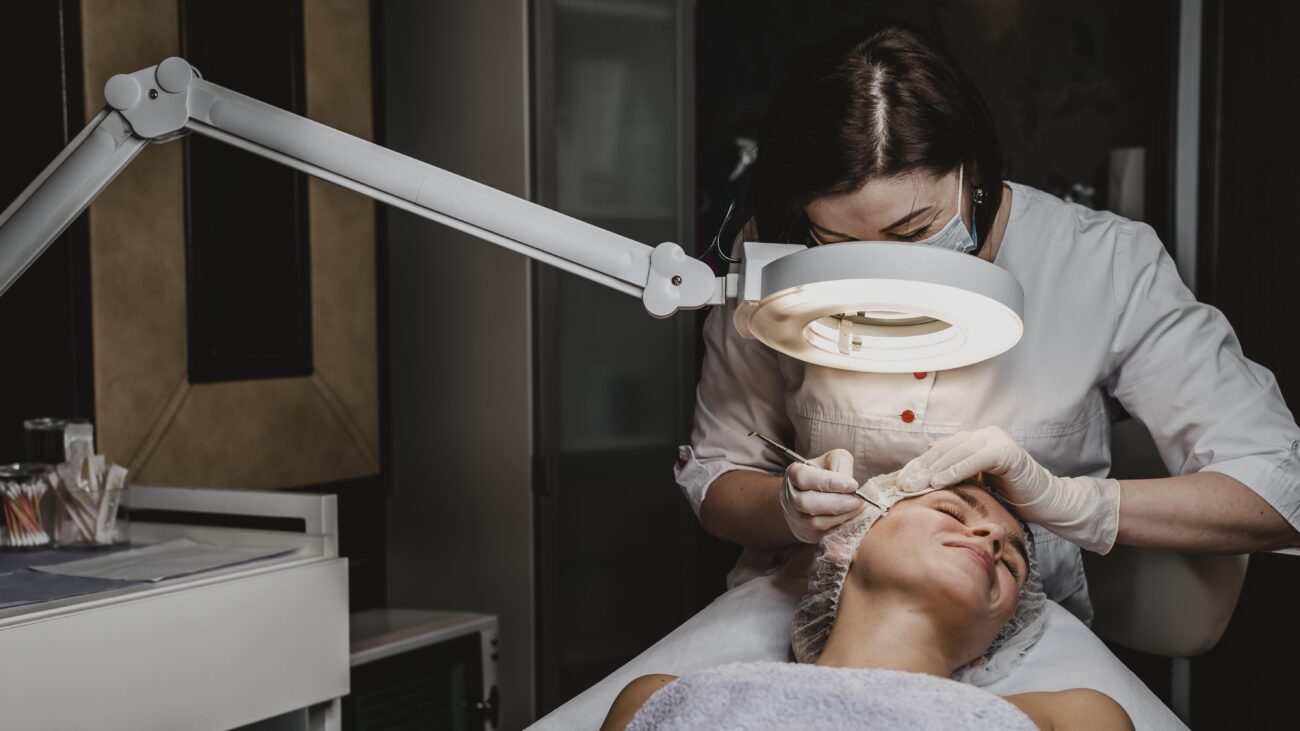
In recent years, cosmetic dermatology has emerged as one of the fastest-growing subspecialties within medical practice, drawing increasing interest from general practitioners and dermatologists alike. Globally, the demand for non-invasive aesthetic procedures, such as chemical peels, laser treatments, and dermal fillers, has surged, reflecting shifting patient preferences towards subtle, safe, and effective cosmetic enhancements.
This growth in aesthetic consciousness has created new opportunities for physicians looking for diversified career advancement. However, transitioning from clinical dermatology to cosmetic practice is not merely a matter of learning new procedures. It requires a well-informed, ethically sound, and scientifically grounded approach, built on a robust understanding of skin pathology, diagnosis, pharmacology, and patient safety.
This article is a complete guide for MBBS and MD doctors in India who are considering the switch from clinical to cosmetic dermatology. It discusses the relevance of core knowledge, ethical principles, training mechanisms, and the changing role of systematic online learning.
The Rising Demand for Cosmetic Dermatology
The global aesthetic medicine market is expected to exceed $150 billion by 2030, fuelled by increased social acceptance of cosmetic procedures, technological innovation, and the growing importance of skin health and self-image. In India, too, urbanisation, digital exposure, and wellness trends have driven demand for safe, physician-led aesthetic care.
Patients today are more informed and selective, often seeking practitioners who offer both medical credibility and artistic sensibility. This shift presents a timely opportunity for doctors, especially those with a background in clinical dermatology, to expand their skillset and offer high-quality aesthetic care backed by scientific reasoning.
Yet, this transition is not without its challenges. Without adequate training, even seemingly simple cosmetic procedures can lead to complications, dissatisfaction, and medicolegal risks. Hence, doctors must treat this shift as a professional evolution, one that begins with the right foundation.
Why Clinical Dermatology Remains the Cornerstone
Aesthetic interventions are not detached from medical dermatology; they are built upon it. A clear understanding of skin layers, inflammatory conditions, pigmentary disorders, wound healing, and systemic associations is essential before performing any cosmetic procedure.
For example, knowing the difference between post-inflammatory hyperpigmentation and melasma can influence not just the diagnosis, but also the choice of treatment modality – whether it be a chemical peel or laser therapy. Similarly, understanding the pharmacokinetics of topical retinoids helps prevent adverse effects in pre-procedure regimens.
Doctors who are well-versed in clinical dermatology are better positioned to assess patient suitability, set realistic expectations, manage complications, and uphold patient trust. This makes a strong clinical grounding not just an asset, but a prerequisite for ethical aesthetic practice.
Ethical Practice and Patient Safety in Cosmetic Dermatology
Unlike general medicine, where the therapeutic need is often clear, cosmetic procedures are largely elective. This places a greater ethical burden on the physician. Prioritisation of informed consent, good communication of results, and disclosure of risks is essential.
Moreover, the cosmetic dermatology field has seen a proliferation of non-medical providers and poorly regulated clinics, which often deliver substandard or unsafe treatments. As a trained medical professional, your role extends beyond service delivery; you become a custodian of safety, integrity, and patient education.
Aesthetics may be external, but the approach must remain deeply medical. Understanding when not to treat is just as important as knowing how to treat.
Key Competencies Required for Cosmetic Transition
Doctors aiming to transition into cosmetic dermatology must cultivate expertise across three domains:
- Theoretical Knowledge – Skin anatomy, wound healing, laser physics, pharmacology of injectables, and understanding patient psychology.
- Technical Proficiency – Hands-on mastery of techniques such as botulinum toxin injections, dermal fillers, microneedling, peels, and energy-based devices.
- Ethical & Aesthetic Judgement – Ability to evaluate when a procedure is appropriate, respect natural anatomy, and make decisions aligned with patient welfare.
Structured education programmes that integrate these pillars are essential to prepare doctors for a successful and responsible transition.
Bridging the Gap: The Role of Structured Training
Crossing over to cosmetic dermatology without professional mentorship can result in knowledge deficits, variable results, and professional jeopardy. While workshops and product demos can offer surface-level exposure, they often lack the depth, continuity, and critical thinking required to build real confidence.
This is where structured education becomes pivotal. An exemplary aesthetic dermatology course allows physicians to integrate evidence-based training with practical experience, thus allowing the smooth incorporation of cosmetic procedures into their practice.
In India, many doctors are turning to flexible, online training options that blend theory with clinical relevance, especially those accredited or aligned with international standards. These programmes offer convenience without compromising on rigour, making them ideal for busy professionals seeking career advancement.
OC Academy: A Globally Aligned Pathway for Skill Enhancement
For doctors looking to deepen their expertise, OC Academy offers an upskilling pathway that blends dermatology knowledge. Its curriculum is designed with global best practices in mind, focusing not just on procedural skill but on diagnostic accuracy, ethical practice, and long-term patient outcomes.
Designed for practising doctors, OC Academy’s dermatology courses offer a structured route to aesthetic proficiency, built on clinical principles, medical ethics, and international standards of care.
How to Become a Cosmetic Dermatologist: A Stepwise Roadmap
While there is no single universal pathway, most successful career changes into cosmetic dermatology take a systematic approach:
Step 1: Strengthen Clinical Foundations
If not already a specialist, MBBS graduates should first aim to gain clinical dermatology exposure through hospital postings, diploma courses, or observerships. Understanding pathologies is critical before cosmetic applications.
Step 2: Choose the Right Training Programme
Look for an aesthetic dermatology course that offers both theoretical and practical training, ideally with international use. Ensure the course covers anatomy, procedural safety, complications, and medico-legal issues.
Step 3: Start with Safe, Evidence-Based Procedures
Begin with techniques like microneedling and chemical peels, where the learning curve is less steep. Gradually advance to become skilled before delving into more complex modalities like injectables and lasers.
Step 4: Maintain Ethical Boundaries
Avoid the temptation to oversell treatments or promise unrealistic outcomes. Focus on patient education, set clear expectations, and prioritise long-term well-being. Your medical training is your strongest asset. Reflect this by adhering to evidence-based protocols and maintaining high standards of professional integrity.
Step 5: Continuously Upskill
Cosmetic dermatology is dynamic. Keep learning through CME courses, literature, conferences, and advanced certifications. Patient trust grows when you stay updated.
Balancing Medical Expertise with Aesthetic Practice: The Way Forward
Switchover from clinical dermatology to cosmetic practice is beyond a shift in professional trajectory. It represents a thoughtful extension of one’s medical identity. This path requires continuous learning, ethical discipline, and the ability to integrate scientific knowledge with aesthetic judgement.
Doctors who succeed in this field are those who retain the diagnostic depth of clinical dermatology while developing the skill and discretion needed for cosmetic procedures. They prioritise patient trust over trends and uphold safety as a non-negotiable standard in their practice.
For those considering this transition, it is essential to approach cosmetic dermatology with the same seriousness as any other medical speciality. A practice grounded in dermatologic science, informed technique, and ethical clarity is key to delivering care that is both responsible and respected.
Conclusion
Cosmetic dermatology provides a significant extension of clinical practice for physicians who are willing to undertake it with the appropriate depth and rigor. It is a field that demands more than technical proficiency. It requires a strong foundation in dermatologic science, a commitment to ethical standards, and the ability to apply clinical judgement in aesthetic contexts.
For MBBS and MD doctors in India, the shift from clinical to cosmetic practice can lead to a fulfilling and progressive career when guided by structured education and responsible practice. Programmes such as those offered by OC Academy support this transition through globally aligned curricula that blend clinical rigour with practical aesthetic training.
Cosmetic dermatology is not simply about appearance. It is about delivering safe, informed, and patient-centred care with scientific integrity. As the speciality continues to grow, well-prepared doctors will be best positioned to lead with competence, confidence, and credibility.
FAQs
1. What is the first step for doctors interested in transitioning into cosmetic dermatology?
The first step is to build a solid foundation in clinical dermatology. Understanding skin pathology, diagnosis, and treatment is essential before performing cosmetic procedures. MBBS or MD doctors may consider structured exposure through hospital postings, short-term dermatology courses, or observerships.
2. How is cosmetic dermatology training for doctors different from general dermatology education?
Cosmetic dermatology training focuses specifically on aesthetic procedures such as laser therapy, chemical peels, injectables, and patient counselling. While clinical dermatology addresses disease management, cosmetic training builds on this knowledge to ensure safe and ethical enhancement treatments.
3. Can I pursue a dermatology course while practising full-time?
Yes, most dermatology courses, such as those from OC Academy, are aimed at working professionals. The courses offer flexible, online modules that integrate clinical theory with practical practice, enabling doctors to skill up without disrupting their practice.
4. What are the ethical considerations when providing cosmetic treatments?
Physicians need to maintain informed consent, open communication, realistic expectations, and a strong emphasis on patient safety. Cosmetic treatments are elective, so ethical limits, clinical discretion, and continued education are necessary to maintain professional standards and patient confidence.
5. Can short-term courses help with upskilling in cosmetic dermatology?
Yes, short-term courses are effective for focused skill development, especially for practising doctors. OC Academy’s Certificate Course in Dermatology offers structured training that integrates core dermatologic knowledge with aesthetic procedures, helping doctors expand their clinical scope through flexible, high-impact learning.