Why FSSAI Is Moving to Ban Fake Analogue Paneer in India
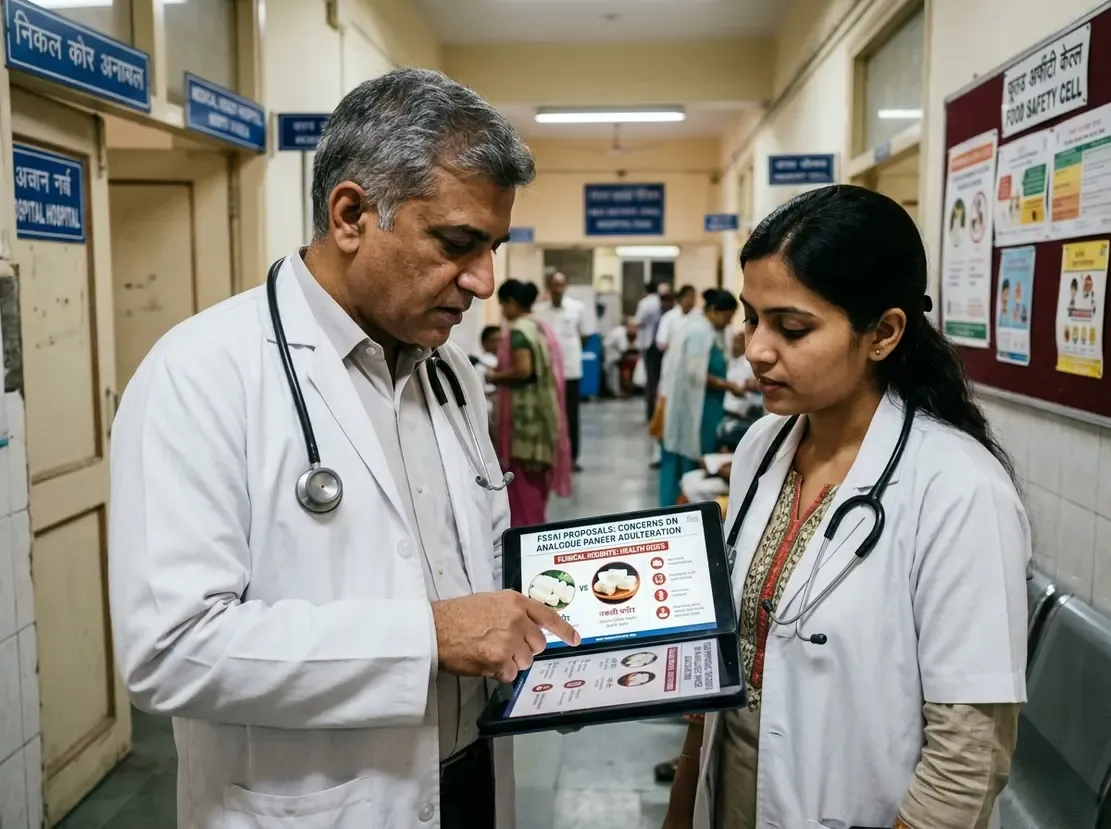
The Food Safety and Standards Authority of India is evaluating a nationwide prohibition on analogue paneer. Consequently, the regulator aims to curb deceptive food practices ahead of upcoming festive seasons. Analogue paneer replaces natural milk solids with cheap vegetable oils, starches, and additives. Therefore, this widespread substitution compromises nutritional value and deceives unwary consumers. Furthermore, Indian healthcare providers increasingly report concerns regarding the cardiovascular impacts of artificial fats.
Why Regulators Target Analogue Paneer
Several Indian states have already banned non-dairy paneer substitutes within their jurisdictions. Specifically, states like Maharashtra, Gujarat, Punjab, and Karnataka restricted these analogue products. Manufacturers frequently market these synthetic items as authentic dairy paneer. However, genuine cottage cheese provides bioavailable animal protein, calcium, and vital micronutrients. In contrast, non-dairy imitations often supply hydrogenated oils and industrial starches. Thus, unsuspecting buyers receive poor nutrition instead of essential dietary protein. Additionally, FSSAI wants clear regulatory parity to stop fraudulent commercial practices nationwide.
Clinical Implications of Dietary Substitutes
Medical professionals recognize significant health hazards linked to synthetic food ingredients. For instance, analogue paneer frequently contains palm oil and hidden trans fats. Therefore, chronic consumption may increase atherogenic lipid profiles in predisposed patients. Moreover, pediatric patients miss crucial calcium intake required for skeletal development. Consequently, dietitians cannot reliably prescribe cottage cheese for clinical protein supplementation. Clinicians must advise patients to inspect food labels carefully when dining out. Hence, robust regulatory action directly protects public metabolic health.
Broader Preventive Measures Under Eat Right India
The central regulator also targets several other nutritional hazards simultaneously. For example, FSSAI is drafting rules to restrict high-fat, high-sugar foods near school premises. Specifically, vendors cannot sell junk food within fifty meters of educational campuses. Furthermore, authorities are directing quick-commerce grocery platforms to display transparent expiry dates. In addition, these interventions support India's comprehensive Eat Right campaign. Ultimately, preventive food policies help reduce non-communicable lifestyle diseases across diverse populations.
Frequently Asked Questions
Q1: What exactly is analogue paneer?
Analogue paneer is a synthetic food substitute fabricated using vegetable oils, starches, and food additives instead of pure dairy milk.
Q2: Why does FSSAI plan a central ban?
The authority seeks to prevent consumer deception and eliminate substandard dietary substitutes that lack genuine milk nutrients.
Q3: How does imitation paneer affect patient health?
It exposes consumers to unhealthy saturated fats or industrial additives while depriving them of high-quality dairy protein and calcium.
References
- FSSAI to tighten scrutiny, weighs central ban on non-dairy paneer - ETHealthworld
- Food Safety and Standards Authority of India. Food Safety and Standards (Food Products Standards and Food Additives) Regulations, 2011.
- Maharashtra Food and Drug Administration. Statewide Prohibition Order on Dairy Analogues, 2026.