FSSAI Mandates Digital Traceability to Fight Outbreaks
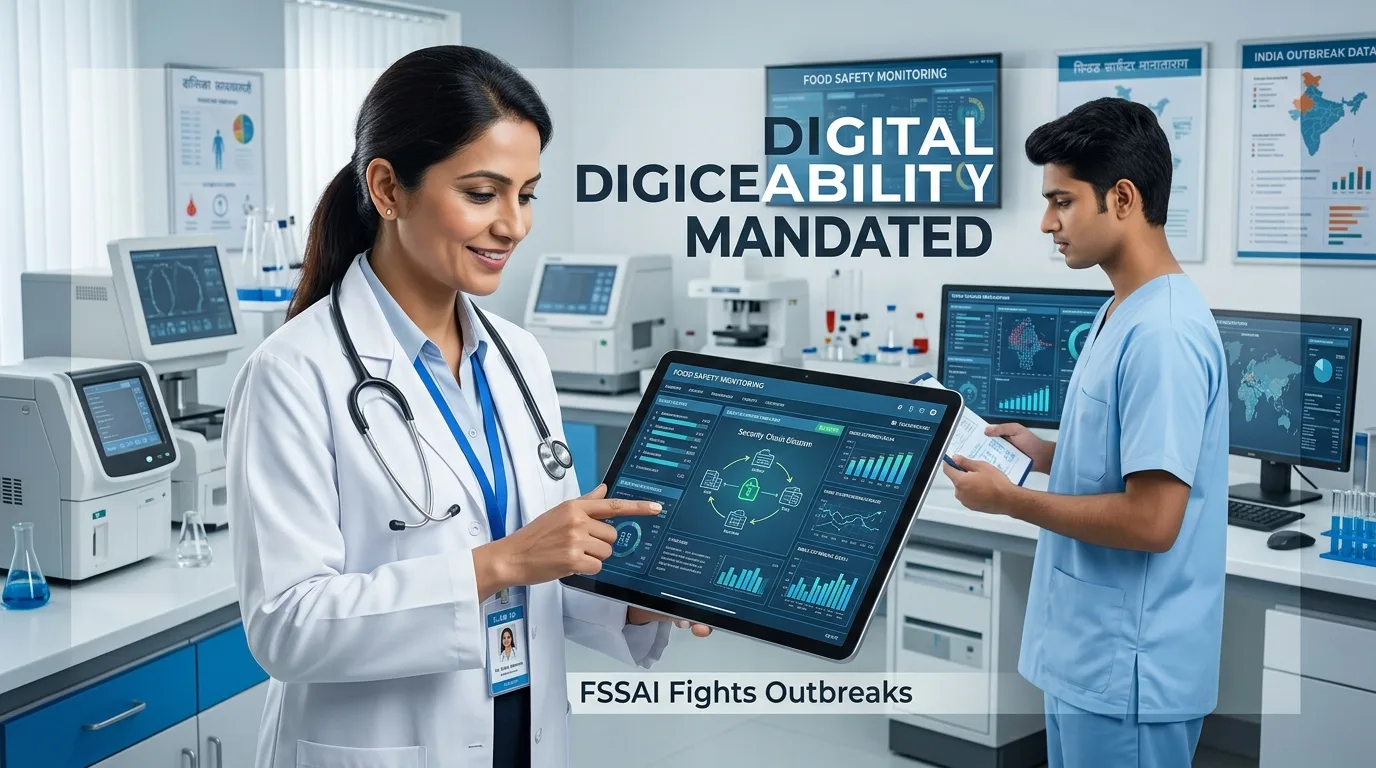
The Food Safety and Standards Authority of India (FSSAI) is taking decisive action to address growing public anxiety over food safety. Consequently, the regulator has directed food business operators to strengthen compliance and improve quality control. Specifically, a major component of this reform is the deployment of FSSAI digital traceability systems to monitor supply chains. Furthermore, this initiative aims to address consumer complaints and manage foodborne disease outbreaks effectively.
Implementing FSSAI Digital Traceability to Counter Outbreaks
The regulator plans to link food safety with digital tracking to identify contamination sources quickly. Therefore, FSSAI is upgrading its Food Safety Emergency Response (FSER) framework. This framework manages national food safety crises and coordinates swift multi-agency responses. In addition, the upcoming digital system will trace the root causes of foodborne illnesses.
However, regulations alone cannot fully transform the Indian food ecosystem. Therefore, FSSAI Advisor Satyen Kumar Panda urged the industry to proactively adopt cleaner technologies. Food manufacturers must invest in research and development to enhance supply chain efficiency. Moreover, they must foster a transparent food safety culture across their organizations, a principle that medical professionals and industry leaders alike must prioritize in public health management.
Reforming Regulations and Rebuilding Public Trust
Recent social media outbursts highlight the rapidly evolving expectations of modern consumers. Consequently, the regulator has issued notices to numerous e-commerce platforms and food brands. These notices target misleading product labels and poor quality standards. Additionally, FSSAI has reconstituted 21 scientific panels to upgrade national food guidelines.
Meanwhile, the authority is funding state governments to build advanced food testing laboratories. This infrastructure will help enforce strict compliance. Ultimately, public health and business growth must go hand-in-hand. Adhering to robust standards will protect citizens and boost India’s export competitiveness.
Frequently Asked Questions
Q1: What is the FSER framework?
The Food Safety Emergency Response (FSER) is a structured framework designed to manage foodborne illness outbreaks and chemical contamination crises across India. Specifically, it facilitates swift, multi-sectoral collaboration to minimize public health risks.
Q2: Why is FSSAI emphasizing digital traceability?
Digital traceability allows regulators and businesses to track food products throughout the supply chain. Consequently, they can quickly isolate contaminated batches and identify the root causes of public health outbreaks.
Q3: How are recent social media complaints affecting regulations?
Social media complaints have amplified consumer concerns regarding food quality. Therefore, FSSAI has increased scrutiny, issued notices to e-commerce companies, and taken action against misleading labels.
References
- FSSAI asks food industry to ensure quality, transparent communication withconsumers – ETHealthworld
- Food Safety and Standards Authority of India. Framework of Food Safety Emergency Response (FSER) System.
Disclaimer: This article was automatically generated from publicly available sources and is provided for informational and educational purposes only. OC Academy does not exercise editorial control or claim authorship over this content. It is not a substitute for professional medical advice, diagnosis, or treatment. Always consult a qualified healthcare provider and refer to current local and national clinical guidelines.