FSSAI Cracks Down on Bottled Water: Health Risks Explained
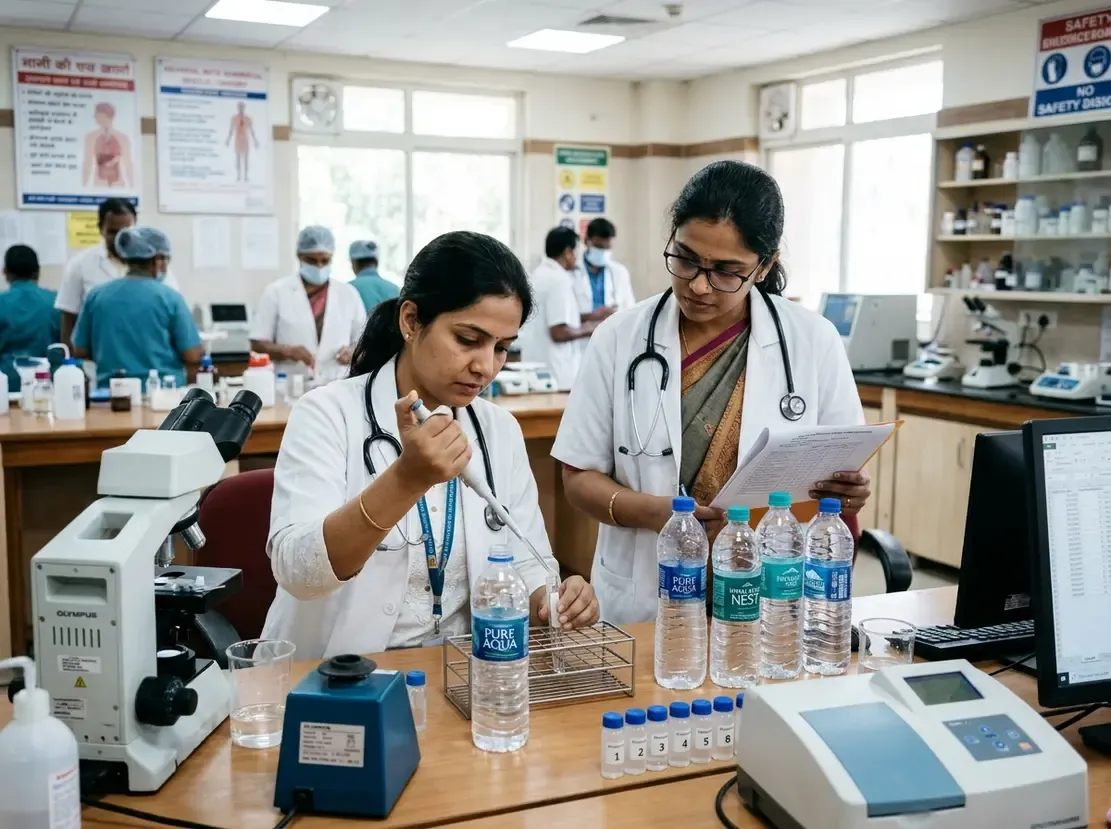
The Food Safety and Standards Authority of India (FSSAI) has directed state authorities to tighten surveillance on packaged drinking water companies across the country. This regulatory escalation follows recent prosecution sanctions against industry giant Bisleri International for safety violations. Specifically, regulatory testing flagged hazardous chemical contaminants in commercial samples. Consequently, healthcare professionals must understand these regulatory developments and the associated physiological hazards of chemical water contamination.
Regulatory Actions and High-Risk Classification
Recently, the central food regulator instructed state Food Safety Commissioners to conduct regular inspections and risk-based sampling. In addition, field officers must upload every inspection and laboratory report to the Food Safety Compliance System (FoSCoS). This digital oversight ensures transparent, centralized monitoring across all Indian states and Union Territories.
Moreover, this heightened enforcement reflects recent policy updates. In November 2024, the authority categorized packaged water and mineral water as high-risk food items. This reclassification occurred after the removal of mandatory Bureau of Indian Standards (BIS) dual certification. Therefore, manufacturers must now follow a strict scheme of testing that mandates comprehensive safety checks. FSSAI leadership emphasized that these inspections aim to enforce statutory compliance rather than create public alarm.
Chemical Contaminants in Packaged Drinking Water
The recent regulatory sanctions against Bisleri originated from samples gathered at their Goa manufacturing unit. Primary laboratory testing revealed bromate levels of 12 micrograms per liter, exceeding the permissible statutory threshold of 10 micrograms per liter. Subsequently, referral laboratory testing detected polynuclear aromatic hydrocarbons (PAHs), leading officials to declare the water unsafe.
Bromate forms when ozone reacts with naturally present bromide during commercial water disinfection. In contrast, PAHs enter water supplies through industrial discharge, atmospheric deposition, or degraded distribution materials. Clinicians should recognize that bromate is classified as a possible human carcinogen by international cancer registries. Furthermore, PAHs represent potent lipophilic carcinogens that can cross cellular membranes and damage genomic DNA.
Clinical Implications and Patient Guidance
Chronic ingestion of bromate correlates with oxidative tissue injury, nephrotoxicity, and potential renal cell neoplasia in animal models. Similarly, sustained exposure to PAHs triggers inflammatory responses and elevates long-term carcinogenic risk. Because packaged water serves as the primary hydration source for millions of urban Indians, regulatory non-compliance presents notable public health challenges.
Therefore, physicians should advise patients to verify quality marks and inspect bottle seals carefully. Additionally, vulnerable populations, including pregnant women, chronic renal disease patients, and young children, require reliable, well-tested water sources. Clinicians must remain aware of local water advisories and encourage community awareness regarding verified commercial brands through general practice training.
Frequently Asked Questions
Q1: Why did FSSAI initiate prosecution against Bisleri International?
FSSAI sanctioned prosecution after regulatory testing detected bromate above permissible limits and subsequent referral tests found polynuclear aromatic hydrocarbons (PAHs).
Q2: What is the permissible limit for bromate in bottled water in India?
According to FSSAI and BIS standards, bromate levels in packaged water cannot exceed 10 micrograms per liter.
Q3: How does bromate enter packaged drinking water?
Bromate typically forms as a disinfection byproduct when ozone gas oxidizes naturally occurring bromide ions during treatment processes.
References
- FSSAI tells states to step up sampling, enforcement against packaged water firms - ETHealthworld
- World Health Organization. Guidelines for Drinking-water Quality: Fourth Edition Incorporating the First and Second Addenda. Geneva: WHO; 2022.
- International Agency for Research on Cancer. Some Drinking-water Disinfectants and Contaminants, Including Arsenic. IARC Monographs on the Evaluation of Carcinogenic Risks to Humans, Vol. 84. Lyon: IARC; 2004.