Is Severe Air Pollution Driving Early-Onset GI Cancers?

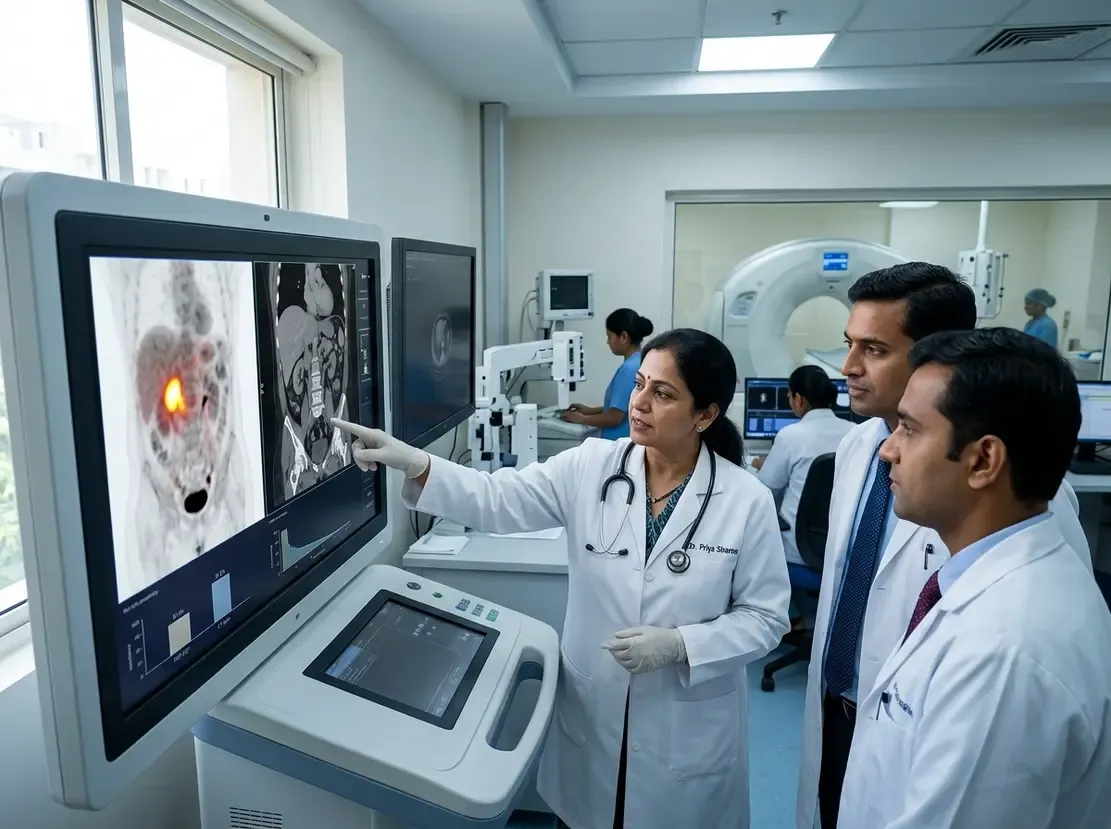
Oncologists in New Delhi have reported a troubling surge in gastrointestinal cancer cases among adolescents and young adults. Recently, clinicians at Sir Ganga Ram Hospital evaluated patients as young as 15 years old presenting with malignant digestive tumors. Historically, clinicians observed such advanced malignancies almost exclusively in older age demographics. Consequently, medical leaders are now calling for deeper investigation into environmental factors such as severe air pollution alongside lifestyle and genetics.
Understanding Rising Gastrointestinal Cancer Rates in Youth
During a joint oncology conference, Sir Ganga Ram Hospital and UK experts reviewed these alarming clinical patterns. Dr. Shyam Aggarwal highlighted that adolescent presentations were extremely rare five years ago. Furthermore, urban cancer registries demonstrate a progressive climb in colorectal malignancies across India. While the early-onset colorectal cancer rate in England sits at 8.4 per 100,000, India reports 3.5 per 100,000 among adults under 50. However, Indian tertiary centers increasingly diagnose young individuals with aggressive, advanced disease stages.
Environmental Toxicants and Carcinogenesis Mechanisms
Scientists are evaluating how toxic ambient airborne contaminants might foster digestive tract carcinogenesis. For instance, a 2026 comprehensive review of 70 studies linked chronic fine particulate matter exposure to heightened gastrointestinal mortality. Specifically, fine particulates like PM2.5 and toxic ground-level ozone induce chronic systemic inflammation. Furthermore, airborne pollutants can deposit on food and saliva, leading to direct mucosal ingestion. In addition, these toxic particles disrupt gut microbiota and alter cellular DNA methylation. Therefore, prolonged exposure may accelerate oncogenic pathways in vulnerable adolescents, a topic further explored in specialized training for clinical oncology.
Clinical Recommendations for Indian Physicians
Clinicians must maintain high clinical vigilance when evaluating persistent gastrointestinal symptoms in younger patients. Dr. Saumitra Rawat emphasized that doctors should thoroughly investigate family history, dietary habits, and environmental exposures. Therefore, primary care providers should never dismiss chronic abdominal pain, unexplained weight loss, or rectal bleeding as simple functional disorders. Additionally, healthcare institutions must advocate for robust air-quality surveillance and comprehensive regional cancer registries. Early endoscopic intervention remains vital to improve survival outcomes in young cohorts.
Frequently Asked Questions
Q1: Why are doctors linking air pollution to gastrointestinal cancer?
Inhaled and ingested pollutants like PM2.5 cause systemic oxidative stress, gut inflammation, and epigenetic alterations that may promote carcinogenesis.
Q2: What symptoms in young patients warrant prompt gastrointestinal evaluation?
Physicians should promptly investigate persistent rectal bleeding, sudden bowel habit changes, unexplained anemia, chronic abdominal pain, and rapid weight loss.
Q3: Does ambient air pollution directly cause early-onset colorectal tumors?
Current epidemiological data demonstrate strong associations rather than direct causation, highlighting the need for dedicated, multi-center Indian prospective studies.
References
- Air pollution link to GI cancers under scrutiny as Delhi sees patients as youngas 15 - ETHealthworld
- Epidemiologic Reviews (2026). Ambient Air Pollution and Gastrointestinal Disease Burden: A Systematic Review.
- Nature Health (2026). Global Ambient Air Pollution and Long-Term Cancer Risk Across Multi-City Cohorts.