
Can Gut Microbiome Modulation Reverse Memory Loss?
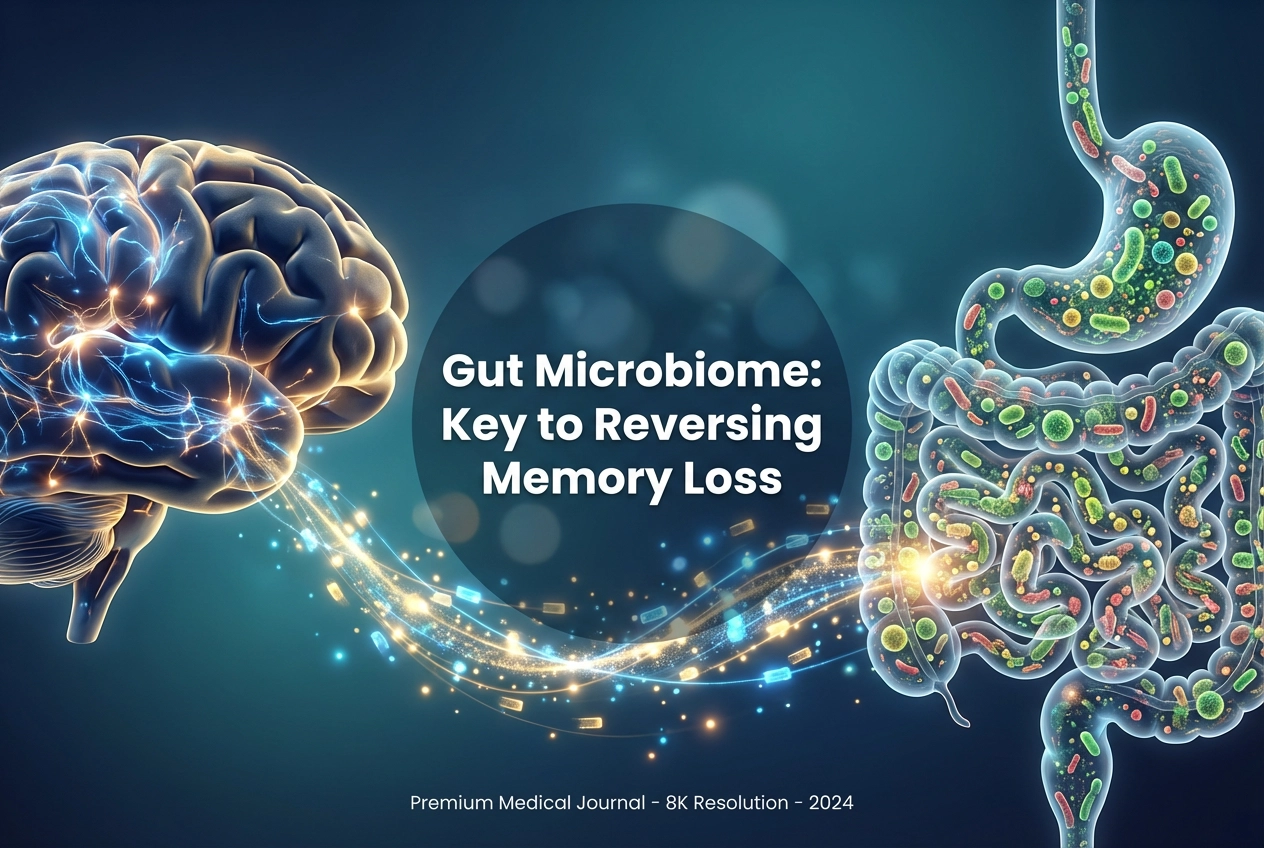
New research suggests that the link between the gut microbiome and memory is far more dynamic than previously understood. Specifically, Stanford University scientists discovered that aging significantly alters the bacterial composition within the gastrointestinal tract. Consequently, these microbial shifts trigger inflammatory responses that impair brain function. Therefore, targeting the gut environment might offer a revolutionary way to treat cognitive decline in the elderly.
How the Gut Microbiome and Memory Interact
In a study recently published in the journal Nature, researchers identified specific bacterial changes that correlate with aging. For instance, the abundance of Parabacteroides goldsteinii increases notably in older subjects. This specific bacterium produces metabolites known as medium-chain fatty acids. Furthermore, these metabolites prompt myeloid cells in the gut to initiate an inflammatory cascade. Resultantly, this inflammation blocks the vagus nerve from sending critical signals to the hippocampus. Since the hippocampus regulates navigation and memory formation, this blockage leads to significant cognitive deficits.
Restoring Cognitive Function via the Vagus Nerve
The researchers also investigated whether they could bypass these inflammatory signals to restore mental clarity. They used a molecule to stimulate the vagus nerve in elderly mice to observe the effects on their behavior. Surprisingly, the forgetful mice performed as well as their younger counterparts in maze and object recognition tasks. Moreover, this finding indicates that memory decline is not a permanent, hardwired state. Additionally, the study emphasizes that doctors could potentially use oral interventions to modulate gut metabolites. Consequently, this strategy might control brain function without invasive procedures.
Frequently Asked Questions
Q1: How does the gut microbiome influence brain health?
The gut microbiome produces metabolites that communicate with the brain via the vagus nerve. When certain bacteria increase with age, they trigger inflammation that disrupts these signals, leading to memory loss. Understanding the complex signaling pathways involved in brain health is crucial for practitioners looking to advance their skills; consider exploring the Internal Medicine Speciality Courses for deeper context.
Q2: Is age-related memory loss reversible?
According to this study, memory loss may be reversible. By stimulating the vagus nerve or modulating the gut’s bacterial composition, researchers successfully restored cognitive function in aging models. For professionals interested in age-related conditions and cognitive changes, the Certification Course In Dementia provides relevant specialized knowledge.
Q3: What role does the vagus nerve play in cognition?
The vagus nerve acts as a communication highway between the gut and the hippocampus. It is essential for forming lasting memories and maintaining spatial navigation abilities.
References
- Modulating gut microbiome may help reverse ageing-related memory loss: Study – ETHealthworld
- Microbiome-regulated vagal signaling controls hippocampal memory – Nature
- Stanford Medicine News Center – Gut-Brain Axis and Aging Study
Disclaimer: This article was automatically generated from publicly available sources and is provided for informational and educational purposes only. OC Academy does not exercise editorial control or claim authorship over this content. It is not a substitute for professional medical advice, diagnosis, or treatment. Always consult a qualified healthcare provider and refer to current local and national clinical guidelines.