How Haryana Is Expanding ABDM and Digital Health Systems

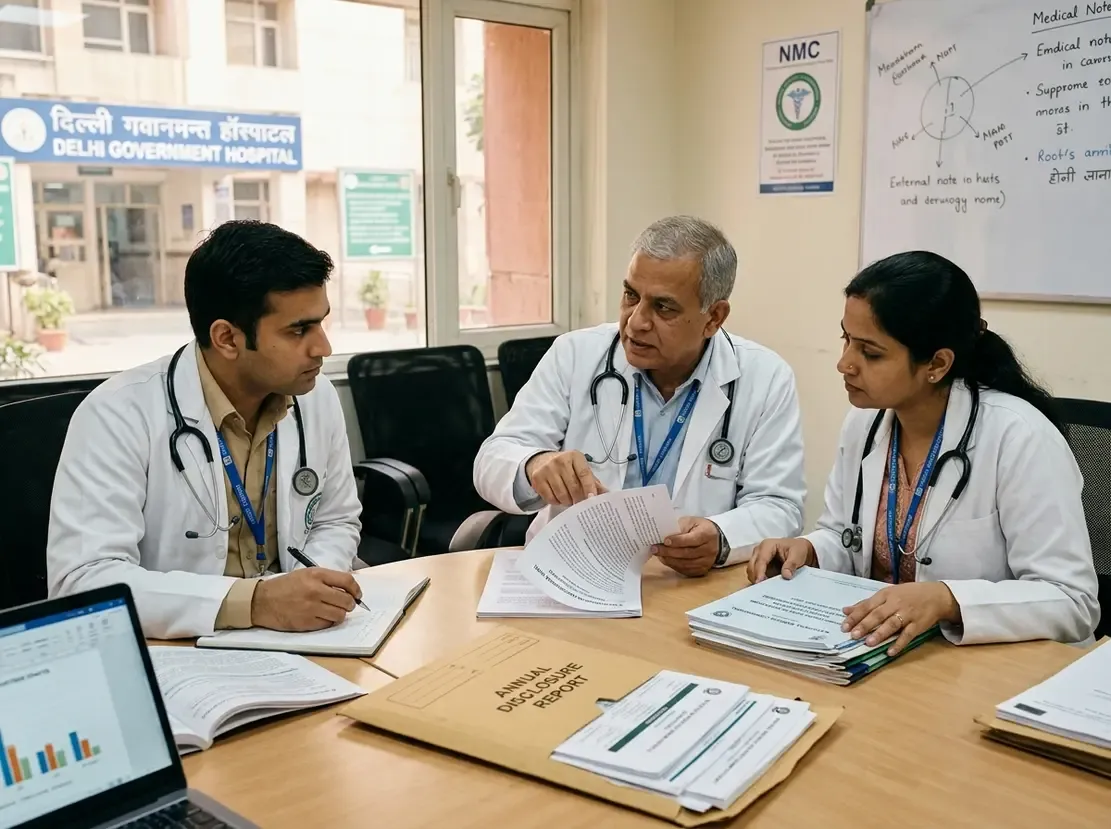
Haryana is accelerating the adoption of digital healthcare systems to enhance clinical workflows and patient care. State authorities emphasize that digital health must move beyond basic technology implementation. Instead, it must deliver meaningful services and superior convenience to patients across the state.
Milestones in ABHA, HFR, and HPR Registrations
Haryana has demonstrated substantial progress under the Ayushman Bharat Digital Mission (ABDM). For example, the state has generated over 1.92 crore Ayushman Bharat Health Account (ABHA) IDs. Consequently, this coverage encompasses nearly 65 percent of the state's population.
Furthermore, public healthcare institutions have responded swiftly. Nearly 98 percent of public health facilities now appear on the Health Facility Registry (HFR). In addition, more than 90 percent of targeted government doctors are enrolled in the Healthcare Professionals Registry (HPR). Therefore, the public health sector provides a solid digital foundation.
Scaling Digital Healthcare Systems Across Public and Private Sectors
However, government leadership alone cannot sustain full digital transformation. Health authorities point out that private healthcare participation remains critical for true interoperability. Currently, private hospitals and clinics show lower integration rates.
Therefore, the state plans district-level workshops over the next two months. These interactive sessions will resolve local operational bottlenecks. Moreover, officials highlighted three core principles for ongoing transformation: adoption, interoperability, and trust. Because healthcare requires coordinated continuity, both public and private providers must share this responsibility.
Impact on Maternal and Child Health Outcomes
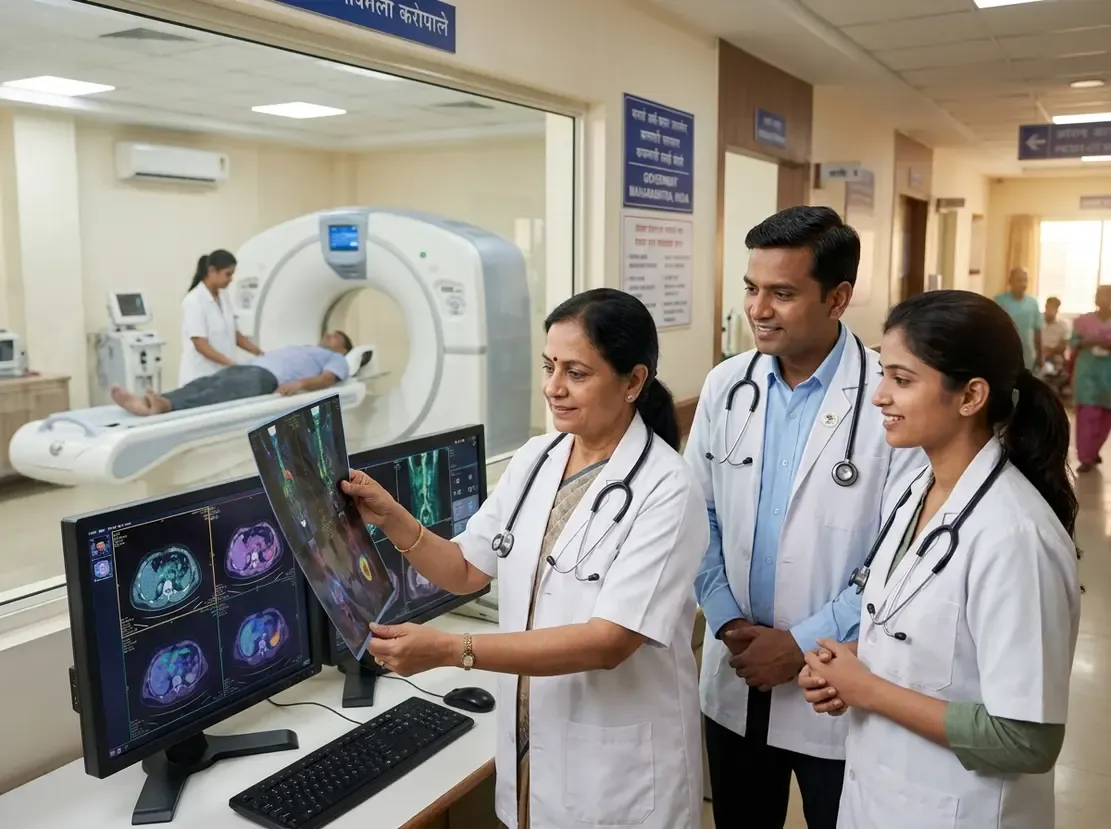
Digital integration also plays a pivotal role in specialized healthcare domains. For instance, empaneled hospitals must leverage these digital networks to enhance maternal and child health outcomes.
Consequently, clinicians can track longitudinal patient records with greater precision. This seamless information exchange helps health systems tackle maternal and infant mortality more effectively. Ultimately, connected digital infrastructure ensures prompt interventions during high-risk pregnancies.
Frequently Asked Questions
Q1: What progress has Haryana achieved under the Ayushman Bharat Digital Mission?
Haryana has created more than 1.92 crore ABHA IDs, reaching approximately 65 percent of its population. Additionally, the state has onboarded nearly 98 percent of public healthcare facilities on HFR and over 90 percent of government doctors on HPR.
Q2: Why is private sector participation critical for digital healthcare systems?
Private healthcare providers deliver a substantial volume of care across Haryana. Therefore, achieving seamless record sharing, interoperability, and unified care continuity requires both private and public providers to integrate into the ABDM network.
Q3: How do digital health networks improve maternal and infant care?
Integrated digital records allow clinicians to monitor patient health histories across facilities. Consequently, care teams can identify complications early, follow up on maternal milestones, and coordinate timely clinical interventions.
References
- Haryana to accelerate adoption of digital healthcare systems, says official - ETHealthworld
- Low private-sector adoption could slow digital health mission, says ACS - The Times of India
- Ayushman Bharat Digital Mission (ABDM) Components and Registries - National Health Authority (NHA)