Why Universal Hepatitis B Birth-Dose Vaccines Are Vital
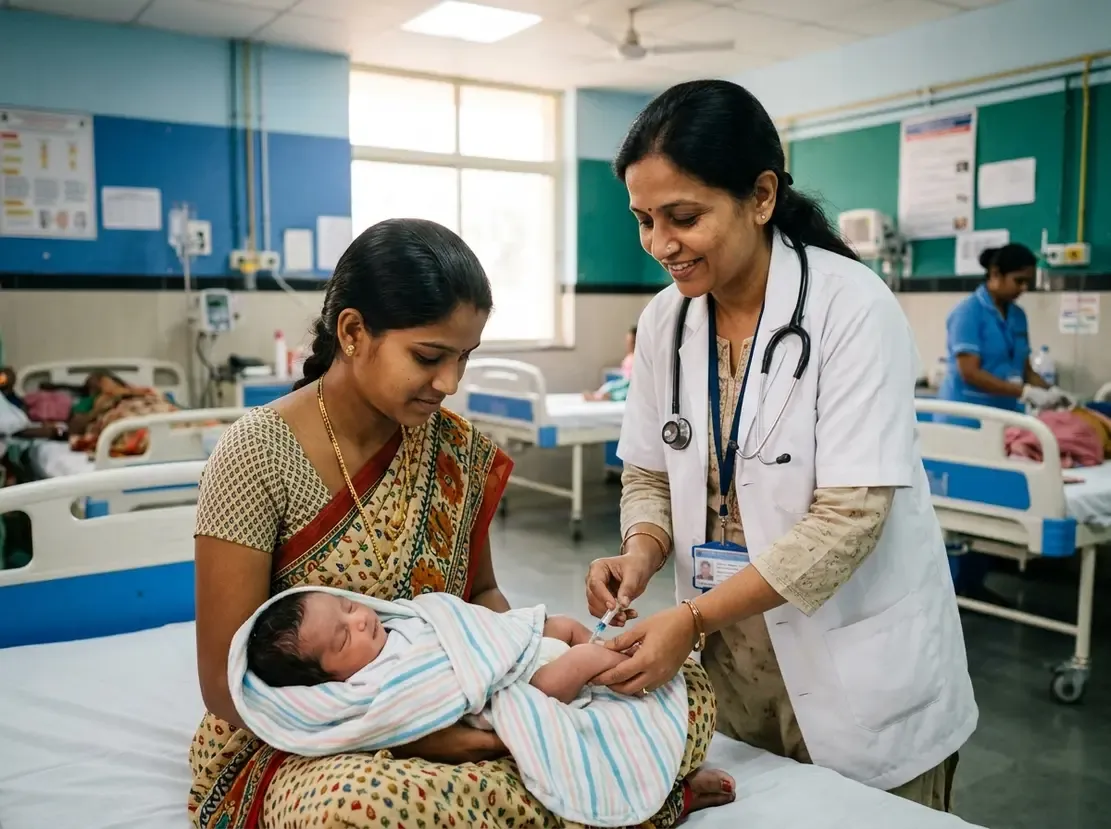
Early childhood hepatitis B vaccination remains one of the most effective interventions against chronic liver disease. However, recent federal proposals examined shifting from universal birth doses to deferred infant vaccination. A recent Markov cohort simulation evaluated the long-term clinical consequences of these proposed schedule adjustments. Consequently, researchers projected a dramatic surge in pediatric infections and lifelong liver complications.
Modeling Childhood Hepatitis B Vaccination Strategies
Researchers modeled a single birth cohort of approximately 3.6 million infants over a 20-year horizon. Specifically, the analysis contrasted universal birth-dose vaccination against a 2-month deferred strategy and shared decision-making. The baseline model incorporated maternal hepatitis B surface antigen prevalence of 0.4 percent. Furthermore, it factored in high screening sensitivity alongside age-specific chronicity risks. Under the current universal approach, pediatric completion rates reached 91.1 percent. In contrast, shared decision-making dropped immunization completion to an alarming 50 percent.
Substantial Rise in Chronic Infections and Susceptibility
The simulation demonstrated severe consequences when healthcare systems defer or omit the earliest immunization dose. In particular, universal birth-dose vaccination limited chronic childhood infections to 255 cases. In comparison, deferring the vaccine to two months increased chronic infections by 19 percent to 303 cases. Moreover, relying on shared decision-making caused an 83 percent spike, resulting in 467 chronic infections. This policy shift also expanded the pool of susceptible individuals reaching adulthood. Consequently, over 1.8 million individuals would enter adulthood without protective immunity under shared decision-making models.
Sensitivity Analyses and Global Practice Lessons
Sensitivity models revealed even greater danger under conditions of reduced coverage and elevated maternal disease prevalence. For example, chronic infections surpassed 2,100 cases when maternal prevalence reached 0.72 percent. These findings provide critical clinical reminders for practitioners across high-burden regions like India. Therefore, clinicians must actively advocate for timely birth-dose administration within 24 hours of delivery. Timely birth dosing provides an indispensable safety net against perinatal transmission and household exposure. Thus, universal institutional protocols remain superior to delayed or discretionary vaccination approaches.
Frequently Asked Questions
Q1: Why is the hepatitis B birth dose critical for newborn health?
Infants infected with hepatitis B at birth face up to a 90 percent risk of developing lifelong chronic infection. Therefore, administering the vaccine within 24 hours of birth provides crucial prophylaxis before transmission can establish chronicity.
Q2: How does a shared decision-making strategy affect hepatitis B infection rates?
According to the cohort study, shared decision-making reduces infant coverage and increases chronic infections by 83 percent. Furthermore, it leaves over 1.8 million young adults vulnerable to severe liver disease and horizontal infection.
Q3: What clinical strategy best prevents perinatal transmission?
Universal birth-dose vaccination combined with universal maternal screening delivers the highest level of infant protection. Consequently, leading medical guidelines strongly recommend universal institutional birth vaccination over deferred schedules.
References
- Mohareb AM et al. Projected Effect of 2026 Federal Changes to the Childhood Immunization Schedule on Chronic Hepatitis B Virus Infections in the United States. Ann Intern Med. 2026 Oct 20. doi: 10.7326/ANNALS-26-02135. PMID: 42896183.
- World Health Organization. Hepatitis B vaccines: WHO position paper - July 2017. Wkly Epidemiol Rec. 2017;92(27):369-392.
- Indian Academy of Pediatrics Advisory Committee on Vaccines and Immunization Practices. Immunization Guidelines for Children. Indian Pediatr. 2021;58(1):44-53.