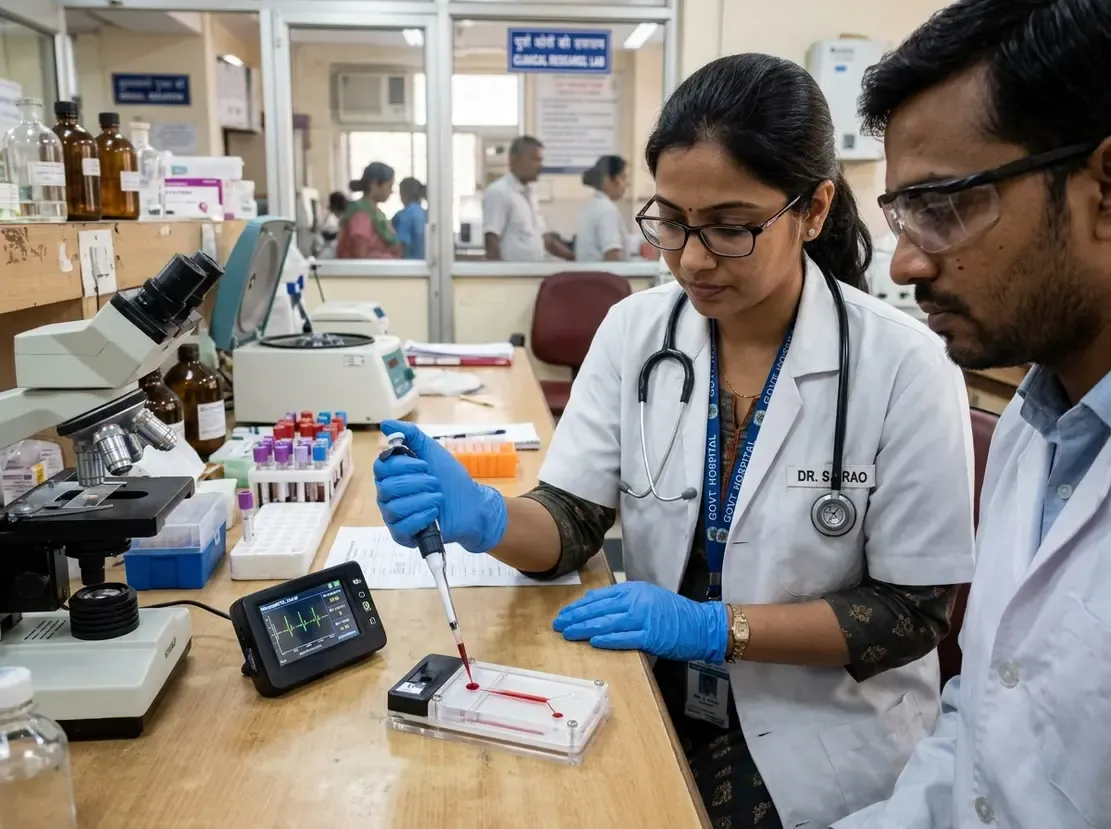
Beyond Hotel Benchmarks: The Real Cost of Hospital Beds

Recent policy discussions have proposed benchmarking private hospital room tariffs against local three-star hotel room rates. However, this comparison overlooks the core economic realities of clinical medicine. A hotel provides hospitality, dining, and leisure services that guests voluntarily choose. In contrast, a hospital bed anchors continuous, multi-disciplinary life support that patients require during acute vulnerability. Comparing healthcare pricing to lodging tariffs misunderstands clinical overhead, regulatory compliance, and life-saving readiness.
What Shapes Hospital Room Tariffs Behind the Scenes?
Hospital costs reflect complex, multi-tiered clinical capabilities rather than mere physical square footage. For example, clinical beds demand continuous biomedical monitoring, central medical gas pipelines, and infection control systems. Furthermore, hospitals must maintain emergency operating rooms and intensive care units around the clock. These mission-critical units cannot simply power down during periods of lower patient occupancy. Consequently, capital depreciation, specialized maintenance, and statutory accreditations significantly raise baseline expenditure.
In addition, healthcare remains an inherently people-intensive endeavor. Facilities require skilled intensivists, experienced nursing staff, clinical pharmacists, and allied technicians. Because specialized medical talent concentrates heavily in metropolitan areas, attracting clinicians to smaller cities requires robust local ecosystems. Therefore, workforce retention directly shapes hospital expenditure across all tiers of delivery.
Clinical Readiness Versus Hospitality Amenities
A delay in hotel hospitality causes personal inconvenience. However, a delay in clinical intervention can permanently alter patient outcomes or cause mortality. Behind every inpatient bed sits a vast diagnostic infrastructure, including pathology laboratories, imaging suites, and blood storage units. Moreover, charitable hospitals in states like Maharashtra operate under rigorous social mandates. These institutions must reserve 20% of operational capacity for indigent and weaker sections either free or at concessional rates. Simultaneously, they contribute 2% of gross billing to dedicated indigent patient funds. Expecting commercial hotels to absorb equivalent social obligations illustrates the fundamental flaw in equating the two sectors.
The Working Capital Strain of Insurance and Government Schemes
Affordability initiatives also require sustainable provider reimbursement. Currently, private healthcare facilities deliver roughly 64% of nationwide hospitalisations under the NSS 80th Round findings. When institutions participate in public schemes or third-party insurance networks, they fund operational care upfront. However, lengthy reimbursement cycles and stagnant package rates severely constrain working capital. Outstanding dues across public schemes and insurer claim repudiations create severe cash flow bottlenecks. Therefore, sustainable healthcare reform must establish transparent empanelment, timely claim settlement, and cost-reflective package pricing.
Optimising Operational Capacity and Clinical Outcomes
Healthcare providers must also confront internal inefficiencies. Expanding bed numbers is less vital than optimizing existing throughput. For instance, reducing the Average Length of Stay (ALOS) frees up capacity without requiring new construction. Similarly, improving operating room scheduling, curbing diagnostic delays, and preventing inventory wastage lower institutional costs. In addition, hospitals should actively publish clinical outcomes and research findings. Transparent data builds community trust and strengthens referral networks far more effectively than aggressive marketing. Developing robust clinical protocols is a fundamental step taught in programs like the Certification Course In General Practice to enhance overall hospital efficiency.
Frequently Asked Questions
Q1: Why cannot hospital room charges mirror budget hotel tariffs?
Hospital rooms are clinical units supported 24/7 by nursing teams, medical gas systems, resuscitation equipment, and emergency staff. In contrast, hotel rooms offer hospitality amenities without medical liabilities or statutory clinical requirements.
Q2: How does the Average Length of Stay (ALOS) impact healthcare affordability?
Optimising ALOS safely speeds patient recovery and expands bed turnover. Consequently, hospitals can treat more patients using existing infrastructure, which spreads fixed overhead costs and improves financial efficiency.
Q3: What regulatory steps can help rationalize private hospital operational costs?
Governments can reduce hospital operating burdens through rationalized commercial power tariffs, lower property taxes, single-window statutory clearances, and domestic technology transfer for critical biomedical equipment.
References
- What India's Affordability Debate Is Missing: The Real Cost Behind the Room - ETHealthworld
- Parliamentary Standing Committee on Health and Family Welfare. 176th Report: Affordability and Accessibility of Healthcare Facilities in Public and Private Sector; 2026.
- Clinical Establishments (Registration and Regulation) Act, 2010 and Rules, 2012. Ministry of Health and Family Welfare, Government of India.