
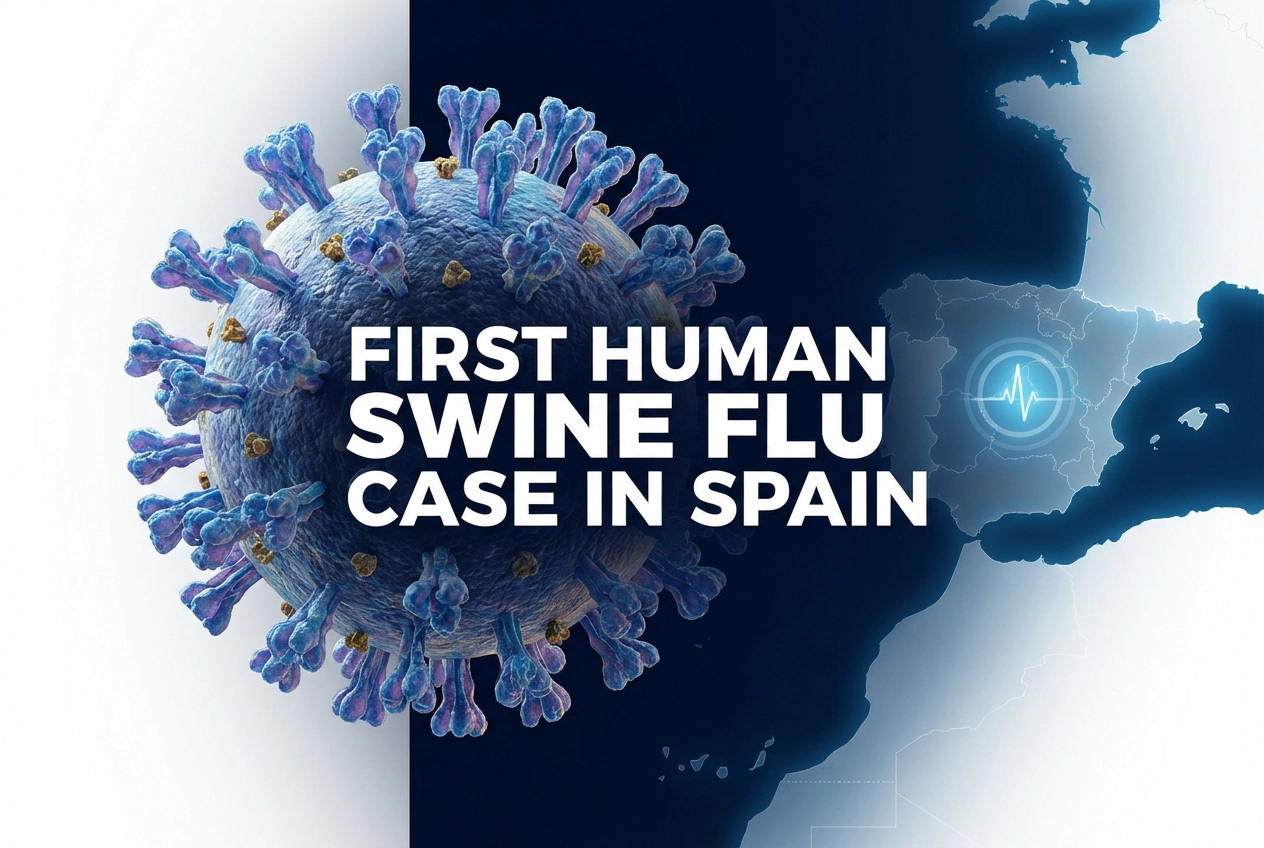
Health authorities in Spain recently informed the WHO about a suspected human swine flu case. This infection involves the A(H1N1)v variant and occurred in the Catalonia region. Interestingly, the infected person did not show any typical respiratory symptoms. Consequently, experts are investigating the origin of the virus. Although Spain is a major pork producer, the patient had no direct contact with pigs. This suggests that human-to-human transmission might have occurred in this specific instance.
Monitoring the Human Swine Flu Case
Additionally, the World Health Organization currently assesses the risk to the general public as very low. Furthermore, tests on the patient’s direct contacts show that the virus did not spread further. Epidemiologists are now conducting additional tests at the reference laboratory in Britain. Similarly, these tests aim to confirm the diagnosis and rule out any external interference. Since 2009, Spain has reported only four human infections of this nature. Therefore, this event remains a rare occurrence in the region.
Pandemic Potential and Global Surveillance
Global flu experts discussed this case during a recent meeting in Turkey. Moreover, they highlighted the importance of robust surveillance systems for early detection. Historically, the 2009 swine flu pandemic infected millions of people worldwide. That specific strain contained genetic material from pigs, birds, and humans. However, the current A(H1N1)v variant differs significantly from the pandemic strain. Most human infections with these variants are sporadic and do not result in sustained transmission. Nevertheless, medical professionals must remain vigilant for unusual respiratory infections. Understanding epidemiology and infectious disease control is crucial for managing such events. For further development in this specialized area, consider exploring the Postgraduate Diploma In Infectious Disease.
Frequently Asked Questions
Q1: What is the H1N1v variant of swine flu?
The H1N1v variant is a version of the influenza virus that normally circulates in pigs. When it infects a human, doctors call it a variant virus. These infections are usually mild or even asymptomatic in humans.
Q2: How is this case different from the 2009 pandemic?
The 2009 pandemic virus was highly contagious and spread rapidly among humans. In contrast, the current variant in Spain shows very low efficiency in human-to-human transmission. Furthermore, the 83-year-old patient in this specific case remained entirely asymptomatic. For professionals looking to handle complex acute situations, training in areas like critical care is invaluable, such as the Certification Course In Intensive Care Medicine.
References
- Spain informs WHO of possible human swine flu case with low transmission risk – ETHealthworld
- Spain alerts WHO of swine flu virus believed to have been transmitted between people – Reuters/Channel News Asia
- Expert reaction to case of possible human-to-human transmission of swine flu in Spain – Science Media Centre Spain
Disclaimer: This article was automatically generated from publicly available sources and is provided for informational and educational purposes only. OC Academy does not exercise editorial control or claim authorship over this content. It is not a substitute for professional medical advice, diagnosis, or treatment. Always consult a qualified healthcare provider and refer to current local and national clinical guidelines.