ICMR Launches Landmark Multi-Center Autoimmune Study
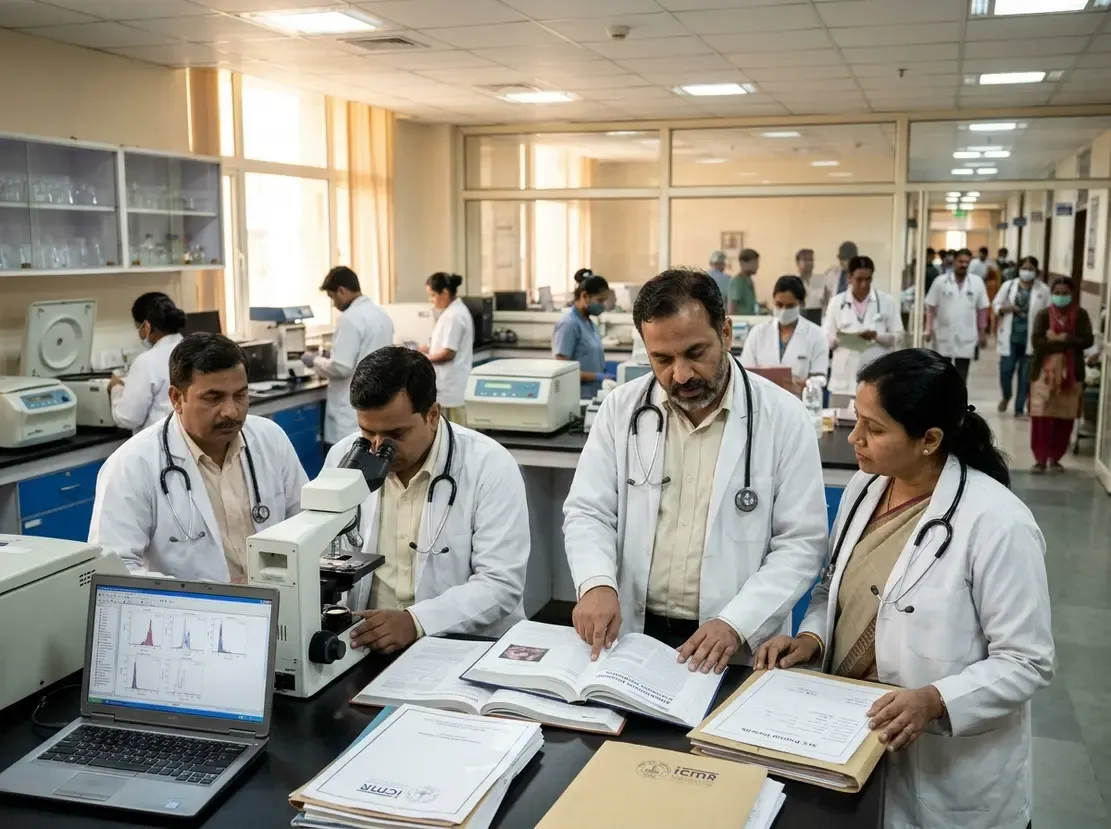
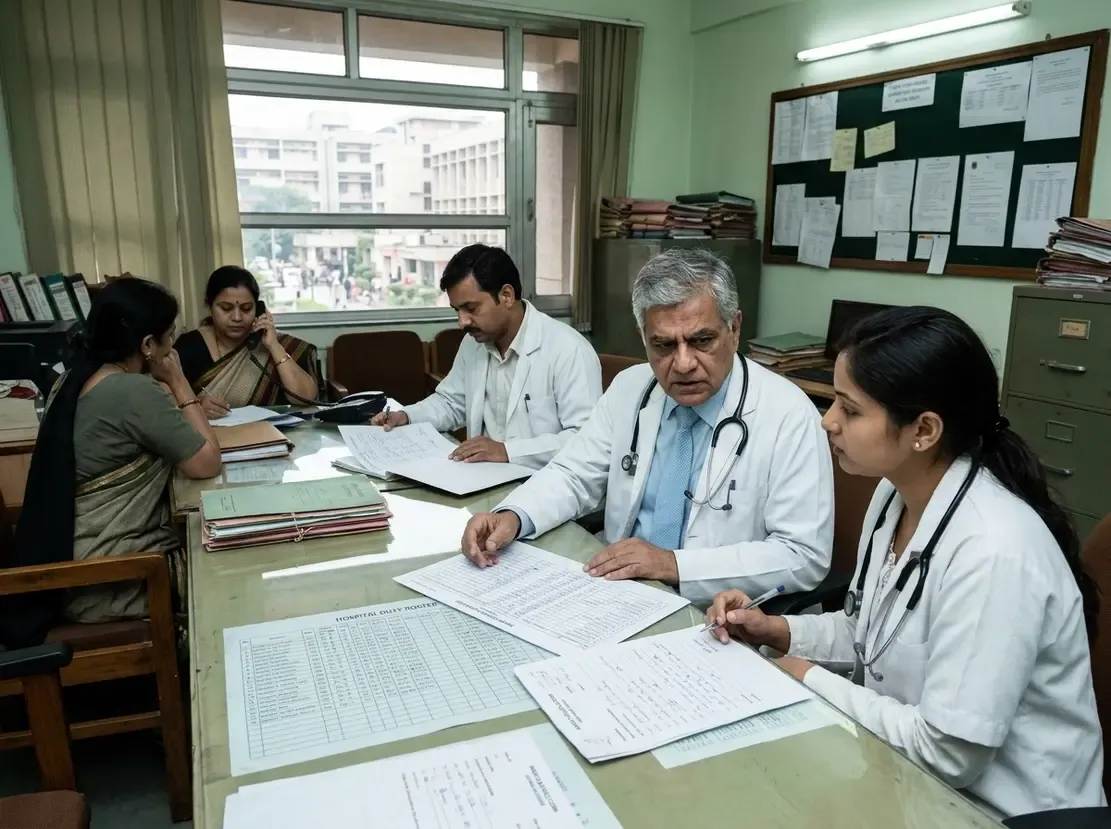
The Indian Council of Medical Research has sanctioned an ambitious nationwide initiative to explore autoimmune disease genetics. Specifically, researchers will investigate how shared hereditary markers influence immune dysfunction across affected families. Dr Ranjan Gupta from AIIMS Delhi and Dr Dipyaman Ganguly from Ashoka University lead this four-year effort. Furthermore, the collaborative team seeks to decipher why certain individuals manifest severe autoimmunity while others stay completely healthy.
Deciphering Autoimmune Disease Genetics in Multiplex Families
The project focuses on multiplex families with several members who suffer from distinct autoimmune conditions. Consequently, investigators aim to recruit 200 families across the country for detailed molecular profiling. Each qualifying family must have at least one member diagnosed with systemic lupus erythematosus. In addition, the family must include at least two unaffected relatives to provide appropriate biological controls. Therefore, researchers can compare genomic variations directly between affected and unaffected relatives. Through this approach, scientists plan to identify critical immunopathogenic events that trigger tissue destruction.
Multi-Centric Collaboration Across Premier Indian Institutions
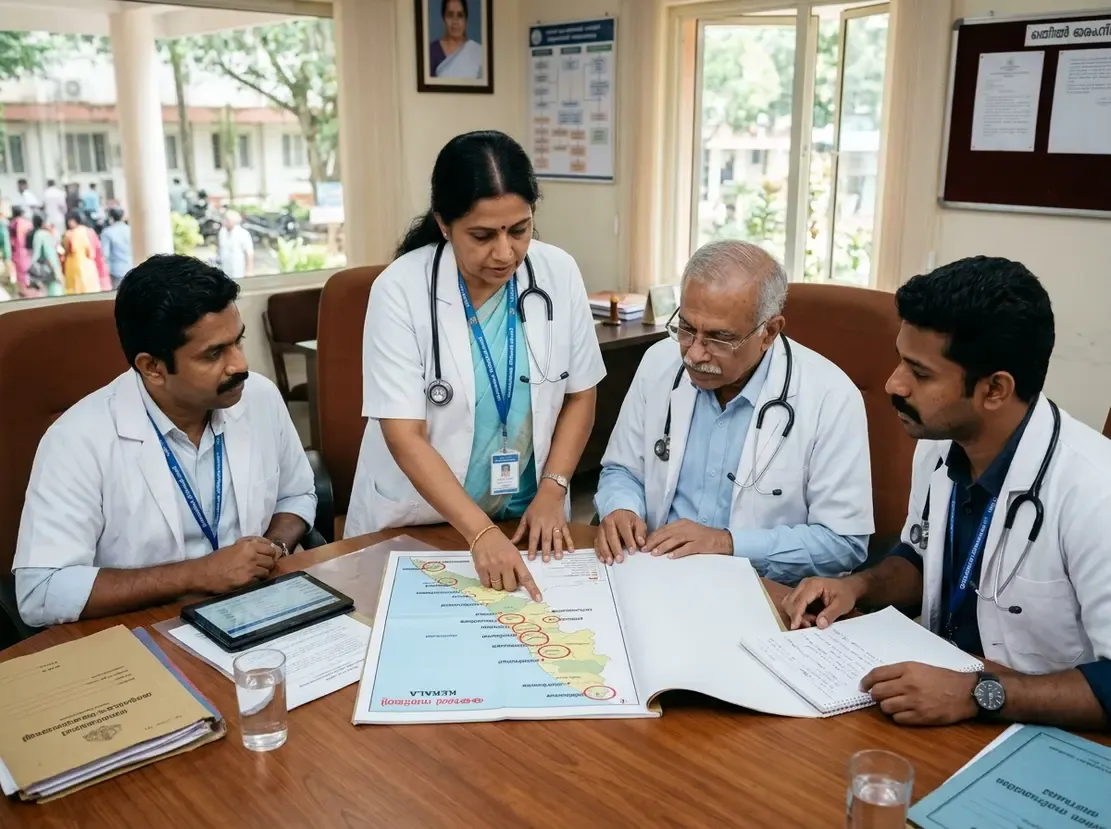
Six premier medical centers across India contribute clinical data and patient biospecimens for this landmark study. Ashoka University serves as the coordinating academic hub for high-throughput multi-omics sequencing. Meanwhile, AIIMS Delhi leads patient enrollment and clinical phenotyping from the northern region. Participating centers also include SGPGIMS Lucknow, Nizam's Institute of Medical Sciences Hyderabad, and Kolkata Medical College. Additionally, AIIMS Bibinagar and St John's Hospital Bengaluru will recruit patients from southern centers. Thus, the collaborative framework ensures extensive genetic diversity across diverse Indian ethnic backgrounds.
Clinical Implications and Novel Therapeutic Targets
Autoimmune conditions develop when aberrant immune mechanisms damage healthy host tissues. However, carrying specific risk alleles does not always lead to active clinical disease. Environmental factors and altered cytokine pathways also dictate final disease penetrance. Hence, deep genomic and transcriptomic profiling will reveal actionable immunological pathways. Furthermore, these discoveries could unveil targeted therapies tailored to Indian patient populations. Clinicians at AIIMS Delhi currently encourage eligible lupus patients within Delhi-NCR to contact the rheumatology department. Ultimately, this translational research may transform early risk stratification and precision rheumatology care nationwide.
Frequently Asked Questions
Q1: What is the primary objective of this ICMR-funded study?
The project investigates genetic and immunological factors in multiplex families with autoimmune conditions. In doing so, researchers seek to identify shared mechanisms and uncover novel drug targets.
Q2: Which institutions are participating in this nationwide autoimmune cohort?
The initiative unites Ashoka University, AIIMS Delhi, SGPGIMS Lucknow, NIMS Hyderabad, Kolkata Medical College, AIIMS Bibinagar, and St John's Hospital Bengaluru.
Q3: What are the eligibility criteria for family enrollment?
Eligible families must feature multiple members with autoimmune diseases, including at least one diagnosed with systemic lupus erythematosus. Moreover, each family must include at least two unaffected relatives.
References
- ICMR funds study to identify genetic links, potential therapies for autoimmunediseases - ETHealthworld
- Delhi AIIMS part of study on autoimmune diseases - Hindustan Times
- AIIMS, five other centres to study why autoimmune diseases run in families - The Times of India