
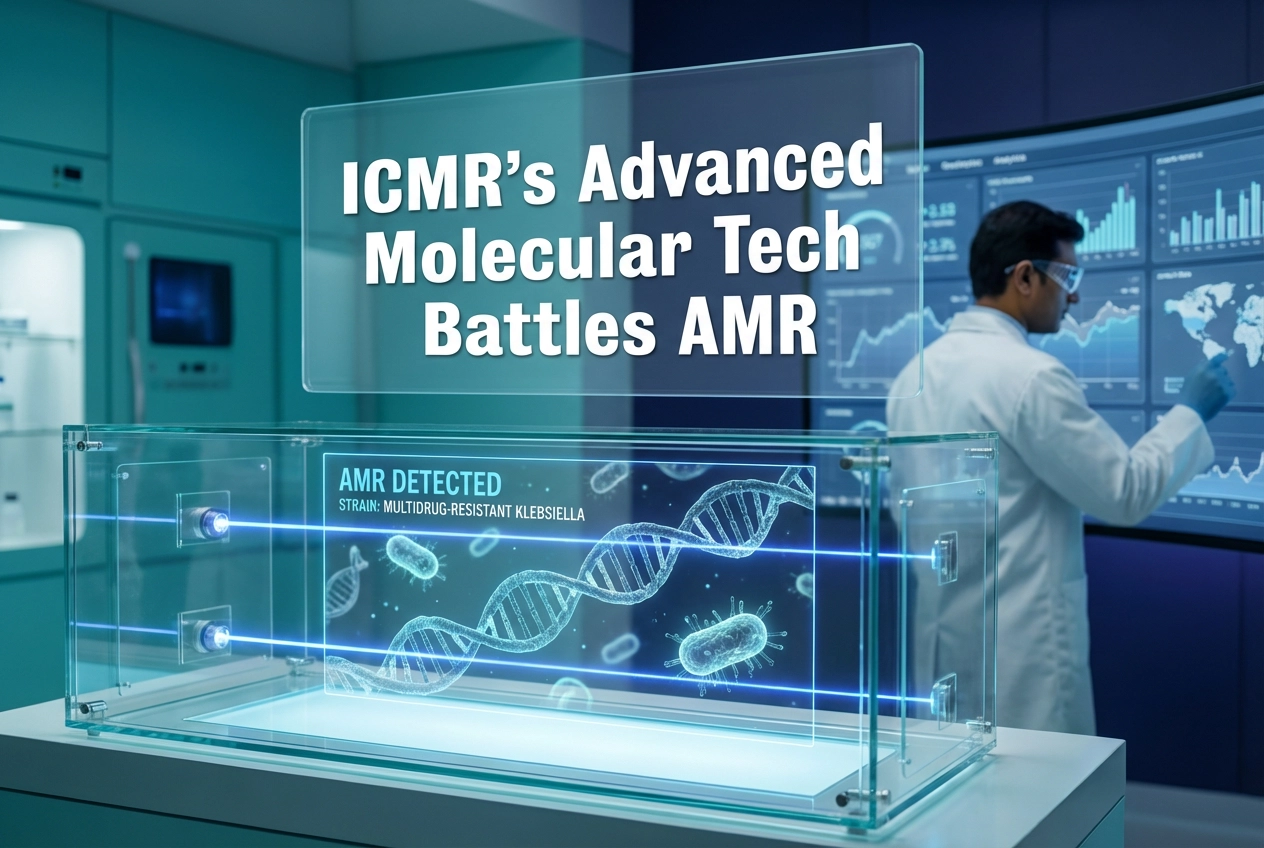
The Indian Council of Medical Research (ICMR) is spearheading a significant initiative to overhaul the diagnosis of serious infectious diseases in India. The goal is the development of a single diagnostic tool capable of simultaneously detecting multiple pathogens, a major step forward for public health. Experts say this strategy could significantly reduce the unnecessary prescription of broad-spectrum antibiotics. Furthermore, a reduction in unnecessary broad-spectrum antibiotic use directly mitigates the rising risk of Antimicrobial Resistance (AMR). The core of this plan involves developing Multiplex Molecular Diagnostics tests that can identify several infections in a single run. For clinicians looking to deepen their understanding of related issues, specialized training is available, such as the Certification Course In Safe Prescribing.
The Current Diagnostic Bottleneck
Currently, patients presenting with vague symptoms like fever or breathlessness are often subjected to a time-consuming sequence of individual tests, for example, for dengue, influenza, COVID-19, and typhoid. This step-by-step approach relies heavily on a symptom-based provisional diagnosis. As a result, each negative report forces doctors to test for another pathogen. Consequently, this cascade of testing delays definitive diagnosis and the start of correct treatment, sometimes resulting in serious clinical consequences. Therefore, this older method also raises the overall cost for the patient. Many infections present with overlapping symptoms, which risks missing the actual cause altogether.
Multiplex Molecular Diagnostics: A Strategy for Rapid Confirmation
ICMR is now working to develop multiplex molecular diagnostic tests. These tests can screen for priority pathogens in one go, thereby allowing clinicians to move much faster from suspicion to confirmation. This sharp reduction in diagnostic delay greatly improves clinical decision-making. Furthermore, a faster, syndrome-based diagnosis enables an early shift from empirical treatment to targeted therapy. Molecular assays capable of detecting multiple pathogens and resistance genes are already being used in certain critical care settings. For instance, commercial multiplex diagnostic tests for sepsis can simultaneously screen for dozens of pathogens and antimicrobial resistance (AMR) genes, providing rapid results. Physicians aiming to manage critically ill patients efficiently should explore the Certification Course In Intensive Care Medicine.
Mitigating Antimicrobial Resistance
Diagnostic delays have wide-ranging consequences. While waiting for test results, doctors frequently initiate empirical broad-spectrum antibiotics to cover a wide array of possible microorganisms. If this empirical antibiotic therapy continues for an extended period, the chances of antimicrobial resistance increase. The ICMR-Antimicrobial Resistance Research & Surveillance Network (AMRSN) annual report 2024 reflects these concerns. The report shows that several commonly used antibiotics are rapidly losing their effectiveness against bacteria isolated in hospitals. However, the introduction of rapid, single-run multiplex testing carries a much lower risk of resistance because it facilitates a quicker switch to a precise, targeted treatment plan. Mastering the principles behind appropriate drug use is crucial, something covered in a Certification Course In Safe Prescribing.
Tailoring Tests to India’s Disease Burden
The proposed multiplex tests will be specifically tailored to address India’s unique disease burden. The design will utilize national surveillance data to prioritize the most relevant pathogens. Additionally, quicker diagnosis is linked to a stronger national outbreak surveillance system. Lessons learned from the COVID-19 pandemic, where delayed detection allowed silent transmission, underscore this point. In a related development, ICMR has previously facilitated the technology transfer of diagnostic tools, such as a multiplex RT-PCR assay for enteric viruses, which also aims to curb the misuse of antibiotics, especially in pediatric cases. ICMR will support Indian manufacturers and research institutions to develop and scale up these kits, including planning for rapid production during outbreaks and future pandemics. Expertise in managing complex childhood health issues, especially those requiring rapid diagnostics, can be significantly enhanced through the Certification Course In Paediatrics.
Frequently Asked Questions
Q1: What are multiplex molecular diagnostic tests?
Multiplex molecular diagnostic tests are a type of single laboratory test designed to simultaneously detect multiple different pathogens or disease markers from one patient sample in a single run. The technology significantly reduces the time and resources required for diagnosis compared to running multiple individual tests. For those interested in the underlying laboratory techniques, specialized training in clinical imaging and diagnostics is beneficial, which can be found in Certification Course In Clinical Imaging.
Q2: How does delayed diagnosis contribute to Antimicrobial Resistance (AMR)?
Delayed definitive diagnosis often compels clinicians to initiate empirical broad-spectrum antibiotic therapy. When these broad-spectrum antibiotics are continued for too long without pathogen identification, they increase selective pressure on bacteria. Consequently, this overuse accelerates the development and spread of Antimicrobial Resistance (AMR).
Q3: How will the proposed ICMR tests be designed?
The proposed ICMR-supported tests will be specifically tailored to India’s unique disease burden, drawing upon national surveillance data to prioritize relevant pathogens. The initiative also supports Indian manufacturers and researchers to ensure domestic development, validation, and rapid production capabilities for both routine use and during future outbreaks.
References
- ICMR eyes single test to detect multiple diseases, cut delays in right treatment – ETHealthworld
- ICMR Partners with Molbio Diagnostics to Launch Multiplex RT-PCR Assay for Enteric Viruses – Digital Health News
- Sepsis Panel with AMR Testing – MedGenome
- Sepsis Multiplex Real-Time PCR with AMR Test – Sterling Accuris Pathology
Disclaimer: This article was automatically generated from publicly available sources and is provided for informational and educational purposes only. OC Academy does not exercise editorial control or claim authorship over this content. It is not a substitute for professional medical advice, diagnosis, or treatment. Always consult a qualified healthcare provider and refer to current local and national clinical guidelines.