
The provided blog content discusses a supply chain crisis impacting the manufacturing of medical devices in India, focusing on polypropylene shortages, energy rationing, and resulting increased costs. This topic is broadly related to healthcare operations, logistics, and public health, but it doesn’t directly focus on clinical specialties offered by OC Academy (like Cardiology, Dermatology, or Anesthesia).
However, the mention of essential medical items like **syringes, IV bags, catheters, and surgical drapes** relates to the broader field of medical materials, procedures, and emergency/intensive care needs. The shortage directly impacts frontline care delivery.
Therefore, the most relevant links, given the context of medical consumables shortages and their impact on patient care delivery, would be courses related to generalized emergency care, intensive care, or foundational medical practice.
I will target:
1. **Certification Course In Intensive Care Medicine** (Shortages affect critically ill patients).
2. **Certification Course In Emergency Medicine** (Device shortages impede acute care).
3. **Foundation Comprehensive Training For New Doctor** (As this impacts general medical supplies).
Here is the modified HTML:
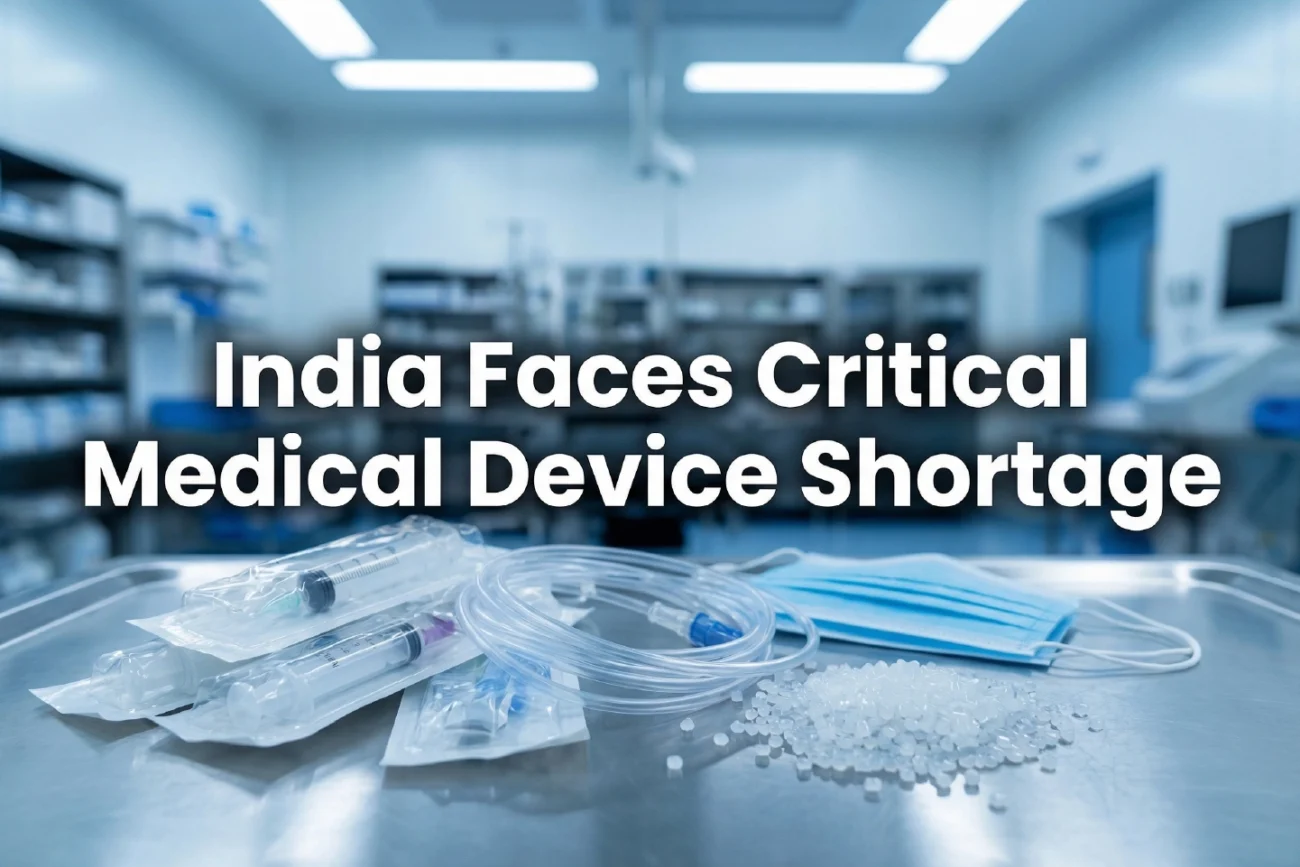
India is currently facing a significant crisis in its healthcare supply chain. Specifically, the India medical device shortage is worsening due to geopolitical tensions in the Middle East. The ongoing conflict has caused a dramatic spike in the price of polypropylene, a critical thermoplastic polymer. This material serves as the primary raw ingredient for essential items like syringes, IV bags, and catheters. Industry experts report that prices have surged by over Rs 55 per kg since December. Consequently, manufacturers are struggling to maintain production levels while managing these soaring costs.
Impact of the India medical device shortage on Manufacturers
The sudden rise in raw material costs is hitting small and medium enterprises (SMEs) the hardest. Notably, these smaller firms constitute approximately 90% of the medical devices sector in India. In March alone, plastic raw material prices jumped by nearly 35%. This increase is even more severe than the fluctuations seen during the COVID-19 pandemic. Therefore, many manufacturers are now facing “price gouging” scenarios that threaten their financial viability. Furthermore, logistical disruptions in the Middle East are causing longer lead times and higher freight charges for imported components.
Energy Crisis and Production Challenges
Beyond raw material costs, the industry is also battling a domestic energy crisis. Adani Total Gas has implemented rationing, limiting supply to just 40% of the daily contracted quantity for many producers. If a company exceeds this limit, they must pay significantly higher rates for the “excess” gas. As a result, many manufacturing units may have to switch to expensive alternate fuels like diesel. This shift would not only increase production costs but also negatively impact local air quality. Leaders in the sector have already approached the government to request immediate interventions and subsidies.
Frequently Asked Questions
Q1: Why are polypropylene prices rising so sharply in India?
Prices are rising due to the conflict in the Middle East, which has disrupted global supply chains and increased the cost of petrochemical feedstocks. This situation has created a scarcity of polypropylene, a key material for medical disposables. Maintaining operational efficiency during such shortages is paramount, especially in high-acuity settings like Intensive Care Medicine.
Q2: Which specific medical items are most affected by this shortage?
The shortage primarily impacts essential consumables such as syringes, IV bags, catheter components, blood bags, and surgical drapes. These items rely heavily on thermoplastic polymers for their manufacturing process. Understanding robust protocols for Emergency Medicine is crucial when supply lines are constrained.
Q3: How is gas rationing affecting the medical device industry?
Gas rationing limits manufacturers to 40% of their usual fuel supply. This forces companies to either scale back production or use more expensive fuel alternatives, which erodes profit margins on essential medical goods. Professionals across all fields, including those receiving Foundation Comprehensive Training For New Doctor, feel the ripple effects of these supply chain disruptions.
References
- India medical device shortage: Polypropylene price surge threatens syringes, IVbags amid Iran war – ETHealthworld
- Geopolitics and Gas Woes Hit India’s Medical Device Supply Chain – Whalesbook
- Adani Total Gas Limits: Impact on Industrial Users – Discovery Alert
Disclaimer: This article was automatically generated from publicly available sources and is provided for informational and educational purposes only. OC Academy does not exercise editorial control or claim authorship over this content. It is not a substitute for professional medical advice, diagnosis, or treatment. Always consult a qualified healthcare provider and refer to current local and national clinical guidelines.