
The Surge of Laser Hazards in Celebrations
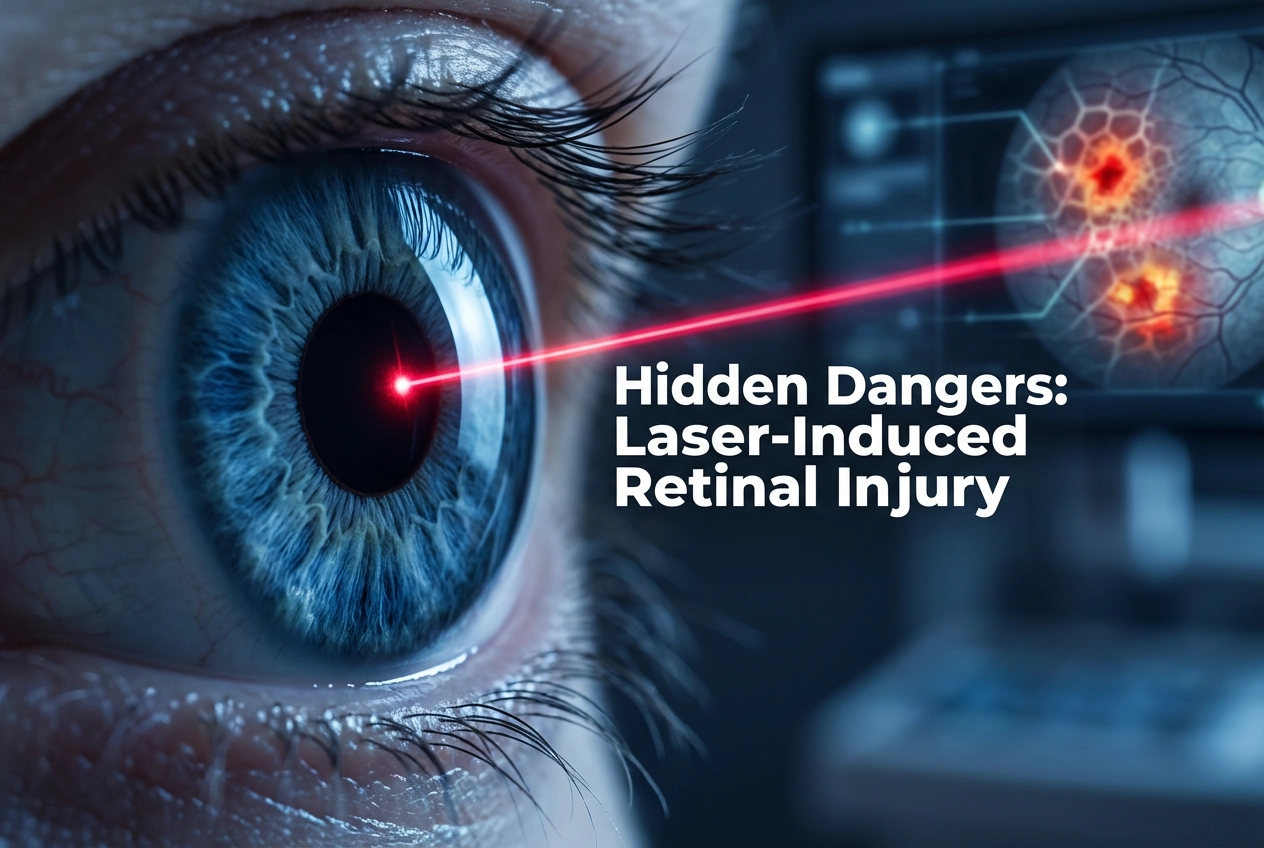
Laser lights have become a staple at weddings, concerts, and nightclubs across India. While these beams create a vibrant spectacle, they pose a significant risk of laser-induced retinal injury. Ophthalmologists globally report a disturbing rise in cases, particularly in urban centers. Many patients suffer silent damage that only manifests as vision loss days later. Furthermore, the lack of centralized data means the true burden is likely higher than reported. Experts emphasize that public awareness remains the first line of defense against these preventable injuries.
Understanding Laser-induced Retinal Injury
The human eye is exceptionally vulnerable to concentrated light. Specifically, the cornea and lens focus incoming beams directly onto the retina. Consequently, a laser’s intensity can increase many thousand-fold by the time it reaches the back of the eye. This energy can cause thermal burns or mechanical disruptions in delicate tissues. For instance, any laser exceeding 5 milliwatts is considered hazardous to human sight. However, many event organizers use high-powered lasers that far exceed safe thresholds. Moreover, children are at a higher risk because they often treat laser pointers as toys. Practitioners interested in specialized eye care should consider the Certification Course In Ophthalmology.
Clinical Presentation and Diagnostic Challenges
Patients often present with sudden blurring, dark spots, or distorted vision. Clinically, laser-induced retinal injury primarily affects the macula, which is responsible for sharp, central vision. Damage may appear as macular holes or localized bleeding. Different wavelengths also affect the eye differently. For example, blue lasers often damage the superficial retina, while green lasers penetrate deeper into the tissue. To assess the severity, doctors rely on Optical Coherence Tomography (OCT). This imaging tool provides high-resolution cross-sections of the retinal layers. Consequently, it helps clinicians predict the likelihood of visual recovery.
Management and Safety Regulations
Early intervention is crucial for improving visual outcomes. In some cases, doctors prescribe anti-inflammatory treatments to reduce swelling. However, about 20 to 30 percent of patients may sustain permanent damage despite medical care. Therefore, prevention through regulation is essential. International standards like IEC 60825-1 provide clear safety guidelines for public displays. Ideally, lasers should remain in continuous motion and stay at least 2.5 meters above the floor. Additionally, attendees should never look directly into a beam, even through a camera lens. Stronger enforcement of these norms is necessary to protect public health.
Frequently Asked Questions
Q1: Can a brief flash from a laser cause permanent blindness?
Yes, even a split-second exposure to a high-powered laser can cause permanent retinal burns and central vision loss if the beam hits the macula directly.
Q2: Why are green lasers considered particularly dangerous?
Green lasers align with the peak visual sensitivity of the human eye. This allows them to deliver high energy deep into the retinal layers, often causing more severe injuries than other colors.
Q3: Is it safe to film a laser show with a smartphone?
Direct laser beams can damage both the human eye and the digital sensors in cameras. It is safer to avoid pointing any lens directly at the light source.
References
- Excessive Exposure to Laser Lights Is Raising the Risk of Retinal Damage and Vision Loss – ETHealthworld
- Laser induced retinal injury sustained in a recreational laser show – Indian Journal of Clinical and Experimental Ophthalmology (IJCEO)
- Managing Retinal Injuries From Lasers – American Academy of Ophthalmology (AAO)
- Safety of laser products – Part 1: Equipment classification and requirements – International Electrotechnical Commission (IEC 60825-1)
Disclaimer: This article was automatically generated from publicly available sources and is provided for informational and educational purposes only. OC Academy does not exercise editorial control or claim authorship over this content. It is not a substitute for professional medical advice, diagnosis, or treatment. Always consult a qualified healthcare provider and refer to current local and national clinical guidelines.