Airway Microbiome Changes Linked to Severe Long Covid
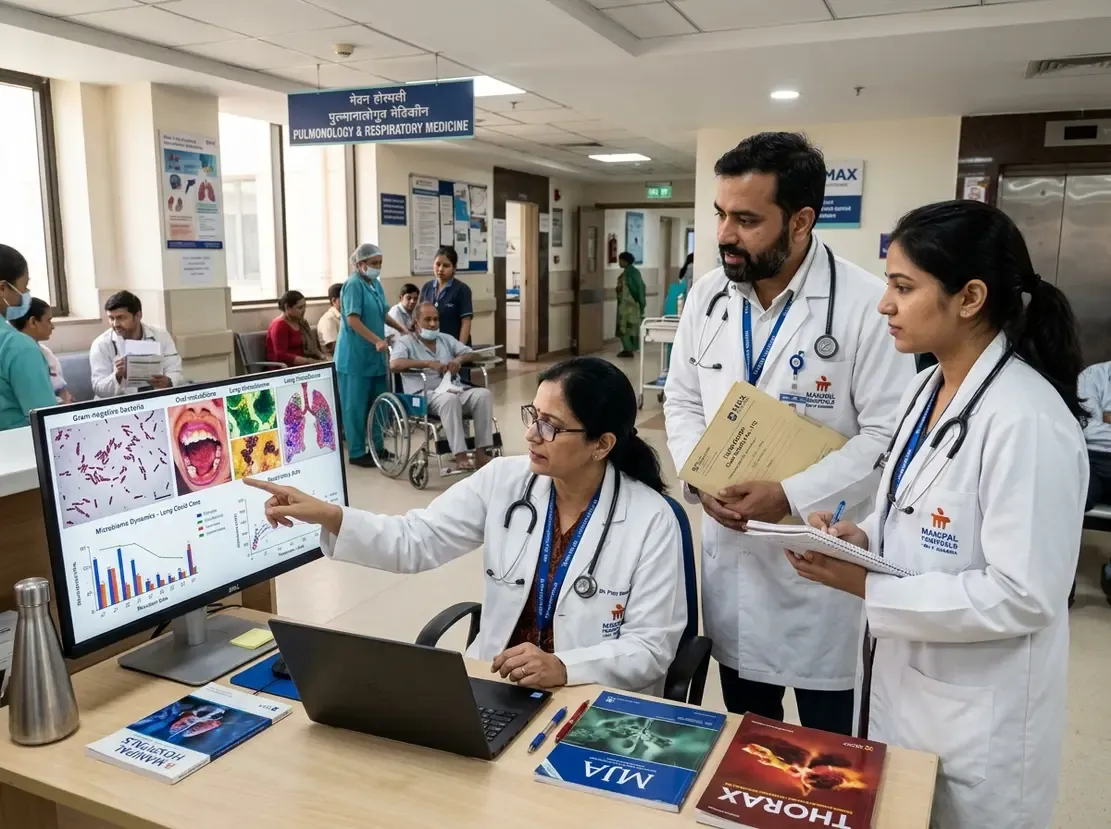
Recent findings highlight significant shifts within the long Covid lung microbiome, offering new clues into post-viral recovery. Specifically, researchers discovered marked microbial imbalances in the saliva and sputum of affected individuals. These alterations correlate with lingering respiratory distress and multisystem complications. Consequently, clinicians gain fresh biological perspectives on a syndrome that continues to puzzle healthcare providers worldwide.
Understanding the Long Covid Lung Microbiome
A comprehensive multicenter study evaluated 771 adult patients across 38 hospitals in the United Kingdom. Notably, researchers stratified these participants by symptom severity five months after discharge. Six months post-discharge, teams gathered oral saliva and lung sputum samples for detailed DNA sequencing. As a result, investigators identified substantial reductions in bacterial diversity among patients with very severe presentations.
Furthermore, individuals with severe illness showed distinct dysbiosis in both upper and lower respiratory tracts compared to mild cases. In particular, an overabundance of lactic acid-producing bacteria emerged across symptomatic cohorts. Therefore, this microbial perturbation directly correlated with systemic inflammatory markers in patient blood samples.
Systemic Symptoms and Microbial Diversity
Interestingly, the alterations extended far beyond basic pulmonary tissue mechanics. Patients suffering from neurocognitive symptoms displayed unique oral microbiota profiles. For instance, individuals reporting brain fog and memory deficits exhibited specific microbial depletion patterns. Meanwhile, patients with gastrointestinal complaints like nausea and abdominal pain demonstrated distinct sputum bacterial signatures.
Similarly, participants with reduced lung volumes showed characteristic bacterial imbalances within their saliva. Thus, local airway ecosystems may directly influence distal organ systems through inflammatory cascades. These distinct profiles suggest that post-acute infection causes widespread physiological disruption through host-microbe interactions.
Clinical Implications for Practice
Currently, standard medical care for long Covid relies primarily on supportive symptom management. However, these microbiome discoveries could steer researchers toward novel therapeutic targets. Clinicians often observe complex presentations that involve neurological, pulmonary, and metabolic complaints simultaneously.
Consequently, monitoring airway microbiota may eventually guide individualized diagnostic frameworks and rehabilitation pathways. In addition, future clinical trials may explore targeted interventions such as probiotics or focused antimicrobials. Nevertheless, medical teams must exercise caution until prospective interventional trials confirm direct causation.
Frequently Asked Questions
Q1: How does the lung microbiome change in patients with long Covid?
Patients with severe long Covid demonstrate reduced bacterial diversity and an elevated proportion of lactic acid-producing species in their airways. Furthermore, these microbial alterations correlate with heightened markers of systemic inflammation.
Q2: Why is the oral microbiome relevant to long Covid brain fog?
Researchers identified unique bacterial signatures in saliva among patients reporting cognitive impairment and memory issues. Consequently, these findings suggest that oral dysbiosis may reflect or drive systemic neuroinflammatory processes.
Q3: Can doctors treat long Covid by modifying the airway microbiome?
Currently, physicians cannot prescribe specific microbiome-targeted therapies because interventional studies are ongoing. However, future clinical trials will assess whether probiotics, dietary shifts, or targeted antimicrobials can alleviate persistent symptoms.
References
- Long Covid may impact bacteria in mouth, lungs: Study - ETHealthworld
- Severe long Covid associated with distinct oral and lung microbiomes - European Respiratory Journal
- Long-COVID symptoms may be linked to bacterial mix in the mouth, lungs - CIDRAP