NMC Acts on 52 Lakh Annual Injuries from Medical Errors

Preventable medical errors in India cause an estimated 52 lakh patient injuries every year. Consequently, the Union Health Ministry and the National Medical Commission (NMC) have stepped in to drive institutional reforms. Specifically, regulatory authorities want healthcare institutions to tackle systemic clinical lapses before harm occurs.
The Rising Impact of Medical Errors in India
Recent estimates from the Directorate General of Health Services highlighted the alarming volume of avoidable adverse events. These preventable events range from medication errors and wrong dosages to hospital-acquired infections and surgical site complications. In addition, diagnostic discrepancies and unsterile equipment lead to severe morbidity and extended hospital stays. Therefore, health authorities emphasized that clinical teams must identify process failures rather than penalizing individuals. This strategic shift fosters an open reporting culture across all clinical departments.
NMC Mandate: Patient Safety Cells and Nodal Officers
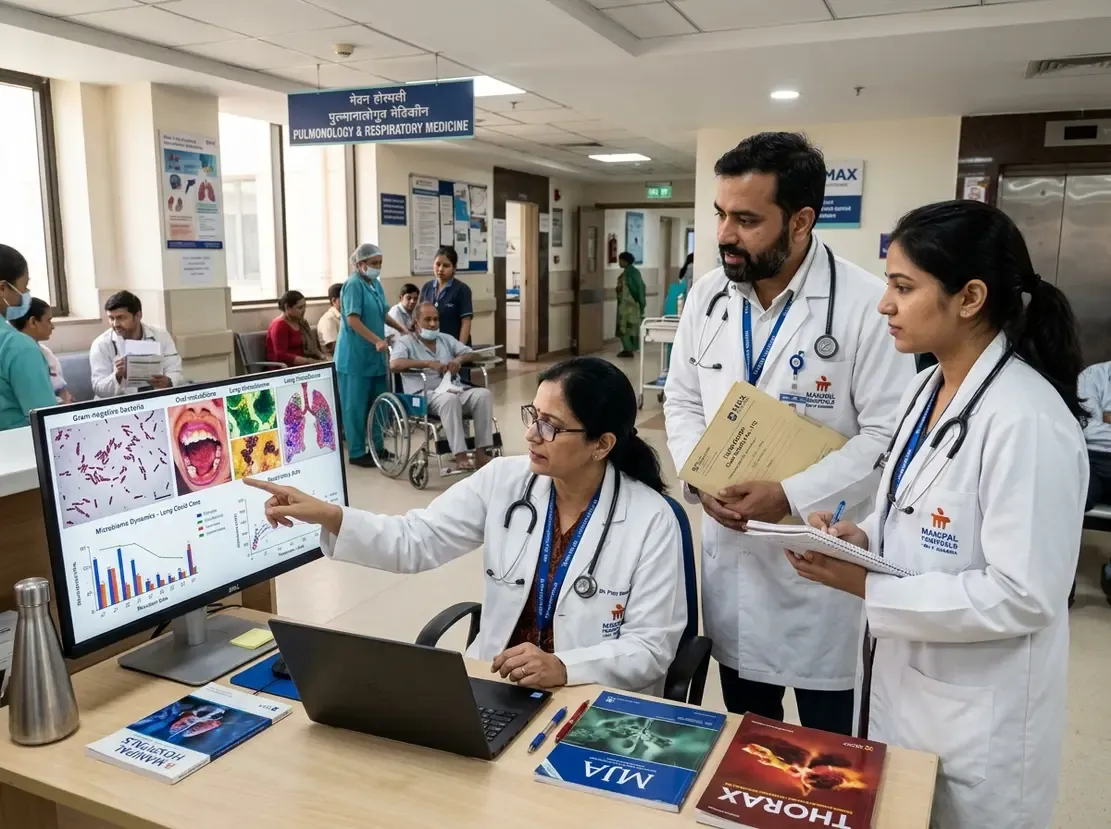
To address these gaps, the NMC instructed all medical college principals and heads to designate a patient safety nodal officer. Furthermore, each teaching hospital must establish a multidisciplinary patient safety committee or cell. This dedicated body will monitor everyday clinical practices and analyze high-risk near misses. Subsequently, the committee will formulate corrective protocols to resolve underlying operational flaws. All institutions must also report their committee composition to the National Patient Safety Secretariat.
Targeting 11 Critical Clinical Safety Domains
The official circular mandates comprehensive oversight across eleven specific clinical domains. These domains encompass surgical procedures, medication verification, blood transfusions, and diagnostic services. Moreover, committees must supervise medical device vigilance, injection practices, and hospital infection control measures. Crucially, addressing antimicrobial resistance and physical facility hazards forms an integral part of this regulatory framework. By embedding standardized operating procedures, hospitals can dramatically lower complications and rebuild community trust.
Actionable Steps for Hospital Administrators and Clinicians
Medical administrators must prioritize non-punitive incident reporting systems to encourage voluntary disclosures from staff. Meanwhile, senior physicians should conduct regular clinical audits to track compliance with hand hygiene and surgical checklists. Additionally, residency programs must integrate structured patient safety training into everyday clinical rotations. In conclusion, proactive systemic surveillance remains the most reliable defense against catastrophic medical mishaps.
Frequently Asked Questions
Q1: Why did the NMC issue new guidelines on patient safety?
The NMC intervened because health ministry data revealed that preventable medical errors cause roughly 52 lakh injuries annually in India.
Q2: What is the primary role of the patient safety nodal officer?
The designated officer leads the institutional safety cell, monitors adverse incidents, and oversees corrective hospital protocols.
Q3: Which areas do the mandatory patient safety cells cover?
They oversee eleven distinct domains, including medication dispensing, surgical checklists, infection prevention, and blood transfusion safety.
References
- Medical errors cause 52 lakh injuries every year: Government - ETHealthworld
- National Medical Commission. Public Notice: Constitution of 'Patient Safety Committee / Cell' in Medical Colleges / Medical Institutions. Policy & Coordination Division, October 08, 2026.
- Directorate General of Health Services, Ministry of Health and Family Welfare, Government of India. National Patient Safety Implementation Framework.