Why Maharashtra Is Enforcing Audits for C-Section Births
Recently, the Government of Maharashtra directed all public healthcare facilities to enforce regular C-section audits across the state. Officials announced this initiative to curb unnecessary surgical deliveries. Consequently, health authorities aim to ensure maternal and neonatal safety. Recent health department data reveals that surgical births accounted for nearly 48 percent of total deliveries.
Surging Caesarean Delivery Rates Across Sectors
Specifically, institutional delivery data reveals a significant disparity between public and private healthcare facilities. Private hospitals recorded an alarming 59 percent cesarean delivery rate. In contrast, government hospitals maintained a lower 37 percent rate. Furthermore, municipal corporations reported higher intervention rates than rural districts. For example, Bhandara district recorded the highest overall numbers, reaching 86 percent in private hospitals. Similarly, private facilities in Gondia, Amravati, and Nagpur exceeded a 70 percent operative delivery rate. Therefore, authorities recognized an urgent need for structured clinical oversight.
Protocols for Mandatory C-Section Audits
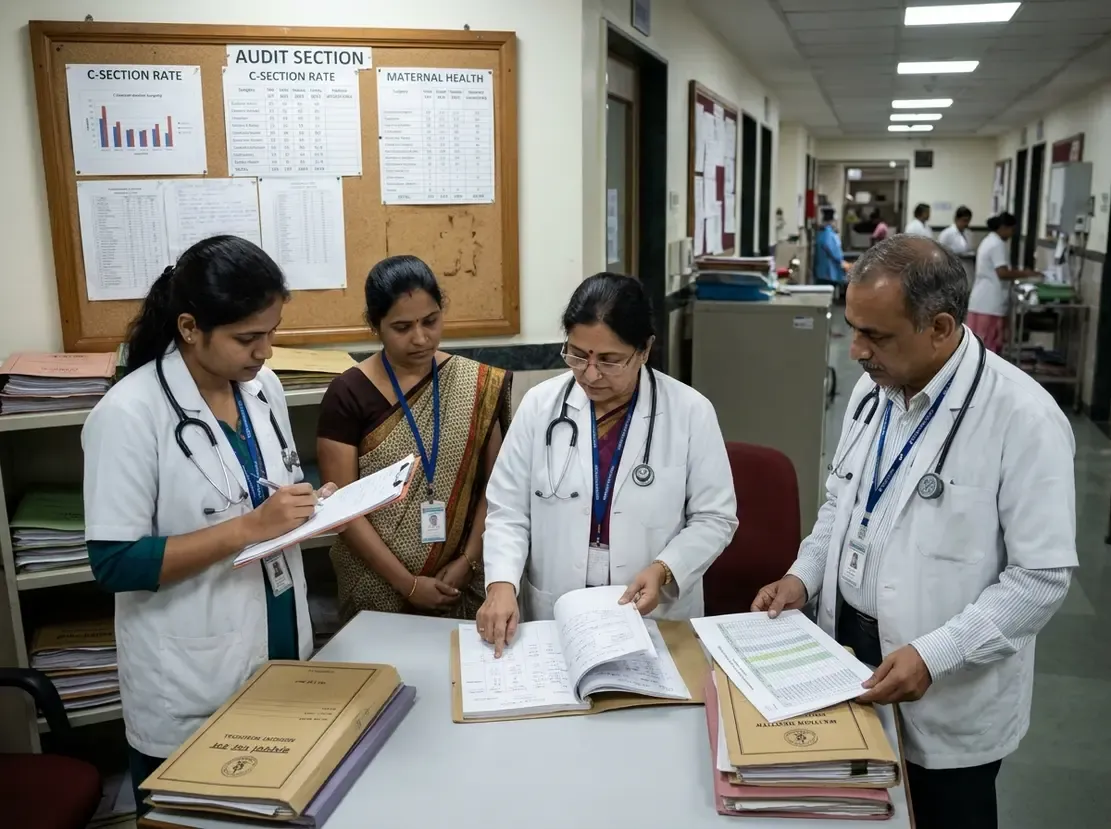
Under new departmental directives, operating obstetricians must complete standardized review forms on the day of surgery. Moreover, an independent physician must evaluate each primary and secondary procedure within twenty-four hours. This auditing doctor provides an impartial clinical assessment regarding surgical indications. Additionally, district health officials will counsel private practitioners to implement similar evaluation tools. The state circular emphasizes that surgical intervention should primarily address medical emergencies. Key approved indications include fetal malpresentation, antepartum hemorrhage, previous uterine scars, and cephalopelvic disproportion.
LaQshya Framework and Reporting Timelines
Notably, the state conducts these reviews under the Union Government's LaQshya quality improvement program. Consequently, high-caseload emergency obstetric facilities must apply standardized evaluation templates. Clinical teams evaluate their findings during monthly quality assurance committee meetings. Furthermore, professional societies such as FOGSI provide technical expertise during case reviews. Healthcare facilities must submit consolidated reports by the fifth of every month. Subsequently, state authorities submit quarterly progress summaries to the Union Health Ministry. For practitioners looking to deepen their expertise in surgical interventions and maternal care, enrolling in a structured fetal medicine or obstetrics and gynecology program can provide invaluable clinical insights.
Frequently Asked Questions
Q1: Why has Maharashtra mandated regular C-section audits?
The state introduced audits to curb unnecessary surgical births and safeguard mothers and newborns. High cesarean rates, particularly in private healthcare facilities, prompted this regulatory oversight.
Q2: When must clinicians complete the C-section audit forms?
Operating surgeons must fill out the audit documentation on the day of surgery. Furthermore, designated auditing physicians must review every procedure within twenty-four hours.
Q3: How does the LaQshya program integrate with these audits?
The LaQshya initiative requires high-caseload emergency obstetric facilities to evaluate delivery trends systematically. Consequently, quality assurance committees review monthly audit reports alongside clinical experts.
References
- Maharashtra govt orders regular audits of C-section deliveries - ETHealthworld
- 6 in 10 births in Maharashtra's private hospitals are C-sections. Why? - The Indian Express
- Labour Room Quality Improvement Initiative (LaQshya) Guidelines - Ministry of Health and Family Welfare, Government of India