
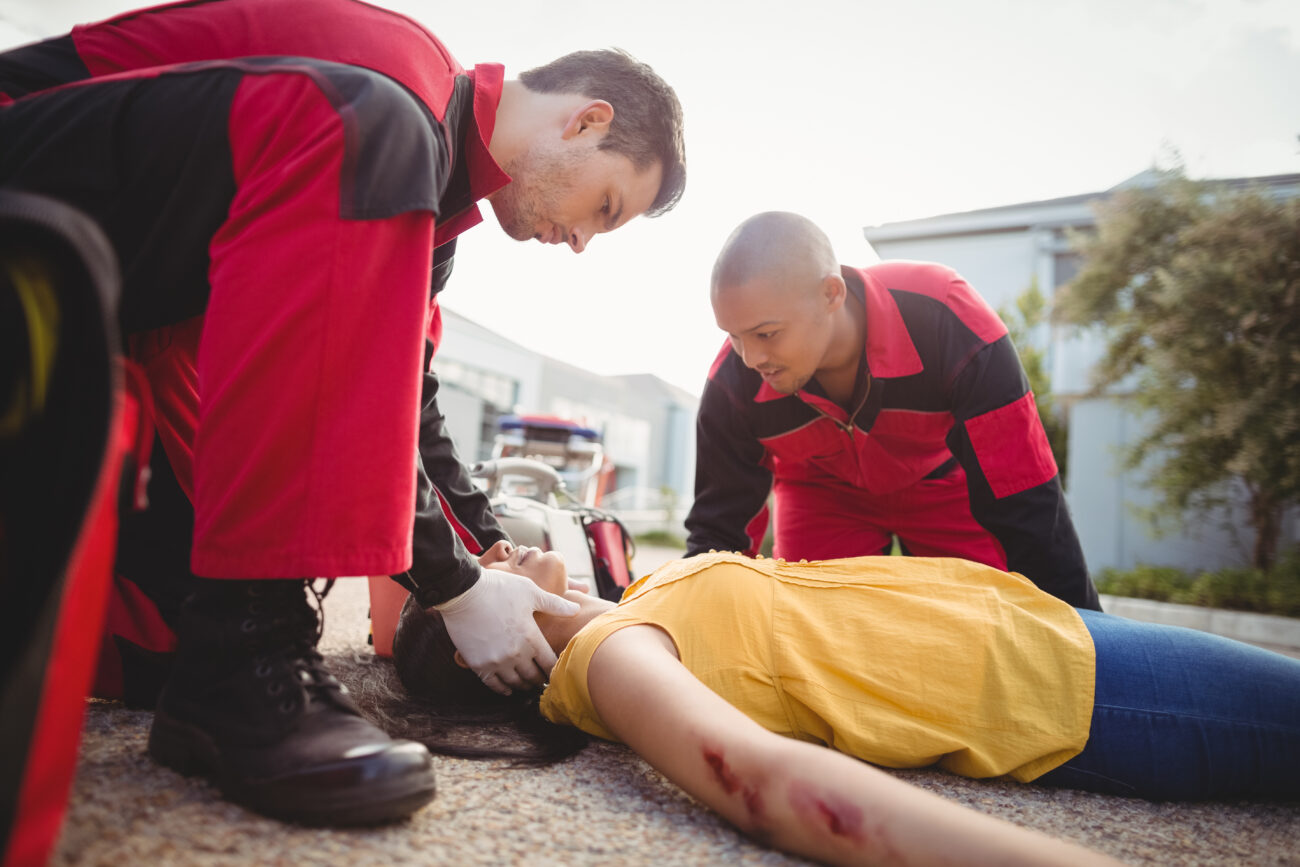
Modern emergency medicine is a fast-evolving, high-stakes field that demands rapid, accurate decision-making under immense pressure. Yet, before a patient ever reaches the hospital doors, life-saving interventions often begin in the prehospital phase — a pivotal moment when timely care can profoundly affect outcomes. For practising MBBS and MD doctors in India, developing robust competence in prehospital emergency care is no longer optional; it is an essential extension of clinical preparedness, ensuring they are equipped to lead, stabilise, and manage patients when minutes truly matter.
Understanding the Scope of Prehospital Emergency Care
Prehospital emergency care refers to the immediate assessment, management, and transport of patients experiencing medical crises outside the hospital setting. It encompasses a spectrum of urgent scenarios — from road traffic accidents and cardiac arrests to mass casualty incidents and acute medical deteriorations in remote areas. In many cases, the actions taken by the first medical responder determine whether a patient survives long enough to receive definitive hospital treatment.
In India’s diverse healthcare landscape, gaps in structured prehospital care have long posed challenges, particularly in rural and semi-urban regions. Recognising this, more physicians today seek advanced training to bridge this gap, strengthen community resilience, and align their practice with international standards.
Core Skills Every Doctor Must Master
Effective prehospital care requires mastery of practical, case-based skills that go beyond theoretical knowledge. Among the most critical are:
1. Comprehensive Trauma Assessment
A robust trauma assessment framework enables clinicians to quickly identify life-threatening injuries, prioritise interventions, and prevent secondary complications. Whether dealing with blunt force injuries from road traffic collisions or penetrating trauma in disaster zones, systematic evaluation — often using protocols like ABCDE (Airway, Breathing, Circulation, Disability, Exposure) — remains the cornerstone of trauma care.
2. Safe and Efficient Ambulance Operations
Ambulance care is more than fast transport; it involves delivering ongoing medical support in a mobile, often confined space. Physicians with training in ambulance care know how to stabilise patients, manage sudden deteriorations during transit, and communicate effectively with hospital teams to ensure a seamless handover.
3. Triage and Prioritisation
In multiple casualty situations, accurate triage is vital. Structured emergency care training for doctors emphasises the principles of categorising patients based on urgency and resource availability. Familiarity with recognised triage systems, such as the START (Simple Triage and Rapid Treatment) method, equips doctors to make swift, ethical, and clinically sound decisions under pressure.
The Distinction: Paramedic vs Emergency Physician Training
A common query among junior doctors is how paramedic training compares with an emergency physician’s pathway. While paramedics are highly skilled in delivering frontline care and stabilisation, emergency physicians lead advanced clinical decision-making, definitive treatment, and complex resuscitation within the hospital’s emergency department. For doctors, developing prehospital competencies bridges this gap, ensuring continuity from scene to hospital.
Through a combination of prehospital emergency care training and formal in-hospital experience, a doctor becomes adept at orchestrating seamless transitions of care — a distinction that sets an emergency physician apart.
Building Competence Through Structured Training
While some aspects of prehospital care can be self-taught or learned on the job, comprehensive proficiency demands structured exposure. Here, an evidence-based, scenario-rich curriculum plays an indispensable role.
OC Academy, for instance, partners with internationally recognised institutions to offer courses designed specifically for practising MBBS and MD doctors. The approach is immersive: doctors gain observership opportunities in established emergency departments, participate in simulation labs, and engage in real-world case discussions led by seasoned emergency physicians.
This blended model – combining theoretical foundations with supervised practical exposure – helps clinicians internalise protocols and develop critical thinking skills applicable under the unpredictable conditions typical of prehospital emergencies.
A structured short-term Certificate Course in Emergency Medicine is often the first step for doctors who wish to gain a formal grounding in prehospital and in-hospital emergency practices without interrupting their clinical commitments.
Why Early-Career Doctors Should Prioritise Prehospital Preparedness
In India, early-career doctors often encounter resource-constrained settings where immediate specialist backup is unavailable. An accident victim may be brought directly to a small community clinic, or a cardiac arrest may occur in a remote village with no paramedic support. Doctors trained in prehospital care can provide essential stabilisation, coordinate effective referral, and act decisively until definitive treatment is possible.
Additionally, international trends increasingly favour physicians who demonstrate versatility across the full spectrum of emergency care. For those wishing to seek global opportunities, a solid foundation in prehospital competencies and an accepted prehospital care certification for doctors enhances their credentials and employability.
Integrating Case-Based Learning Into Practice
A key strength of modern emergency training lies in its scenario-driven pedagogy. Instead of passive lectures, doctors engage in simulated accident scenes, mock mass casualty drills, and ambulance ride-alongs. That immersive experience reinforces theoretical knowledge, develops muscle memory, and instils confidence in high-stakes situations.
Moreover, interactive debriefings allow doctors to analyse decision-making processes, identify areas for improvement, and share insights with peers and mentors, cultivating a culture of continuous quality enhancement in emergency practice.
Bridging Global Standards: Observerships and Specialist Mentorship
Another precious element is the opportunity to see senior emergency doctors at work in accredited institutions. This exposure helps junior doctors understand the nuances of leadership, teamwork, and rapid diagnosis in busy emergency departments. Many physicians find that this experience transforms their approach, enhancing their ability to adapt evidence-based protocols to local contexts.
Courses offered through platforms like OC Academy are structured to integrate such observerships alongside online modules, creating a flexible yet rigorous pathway that can be accommodated in the schedule of a practising doctor.
Selecting the Correct Course: What to Search For
For doctors looking to upskill, selecting an appropriate emergency medical responder course online must involve careful consideration of accreditation, curriculum depth, practical exposure, and mentorship quality. A well-rounded course should cover:
- Fundamental principles of prehospital care
- Advanced trauma life support techniques
- Hands-on ambulance operation training
- Triage frameworks for mass casualty events
- Legal and ethical aspects of prehospital interventions
- Leadership and coordination within multidisciplinary teams
Doctors seeking more in-depth exposure and advanced practical leadership often progress to a Fellowship in Emergency Medicine, which builds upon certificate-level learning with extended clinical immersion.
A credible programme should ideally culminate in a recognised prehospital care certification for physicians, demonstrating both competence and commitment to patient safety.
The OC Academy Advantage: An Enabler, Not a Substitute
While no online course replaces the depth of an MD or DNB in emergency medicine, a structured short course can significantly augment a doctor’s practical skills and career readiness. Many clinicians also opt for a recognised PG Diploma in Emergency Medicine, which offers a more comprehensive curriculum while remaining accessible to busy practitioners. OC Academy serves as a trusted enabler, offering access to internationally aligned modules, hospital-based observerships, and continuous expert support — all tailored to the busy schedules of working clinicians.
By enrolling in a curated emergency medicine training course, doctors take proactive steps towards delivering high-quality prehospital and in-hospital emergency care. This approach not only enhances individual capability but also contributes to stronger, more resilient healthcare systems capable of responding effectively to crises.
Conclusion
The ability to deliver critical interventions before hospital arrival often makes the difference between life and death. As India’s emergency medicine landscape continues to mature, there is an urgent need for more doctors who can bridge the prehospital-hospital divide with competence and confidence.
Structured, case-based training, enriched by observerships and expert mentorship, lays a strong foundation for this essential mastery. For MBBS and MD doctors committed to excelling in emergency medicine, investing in prehospital emergency care training is not merely an academic exercise — it is a practical, career-enhancing imperative.
Frequently Asked Questions (FAQs)
1. What does prehospital emergency care include?
Prehospital emergency care entails the first assessment, on-scene stabilisation, and safe transportation of patients suffering from acute medical conditions or trauma prior to hospital arrival. It encompasses practices including airway control, haemorrhage control, patient sorting, and hospital team communication.
2. Why is prehospital training essential for practising doctors?
Organised prehospital training gives physicians hands-on skills and decision-making confidence to manage emergencies beyond controlled hospital settings. It makes them capable of giving timely, appropriate intervention in uncertain circumstances, ultimately maximising patient survival and outcomes.
3. What is prehospital emergency care, and why is it important for doctors?
Prehospital emergency care refers to the on-the-scene assessment, stabilisation, and transportation of patients with acute medical emergencies prior to hospital arrival. It is vital because timely interventions in this phase can significantly improve patient survival rates and outcomes, especially in resource-constrained or remote settings.
4. What are some common challenges in prehospital emergency care?
Common challenges include limited resources in remote settings, unpredictable patient conditions, environmental hazards, and time-sensitive decision-making. Skillful training enables physicians to foresee these challenges and act effectively and competently.
5. Can structured training improve community emergency response?
Yes. When more doctors are trained in prehospital care, communities benefit from quicker, more effective on-site medical interventions. This strengthens the entire emergency response chain and reduces preventable complications during patient transfer to hospital facilities.