Maternal Cardiovascular Function: New Pre-Eclampsia Care
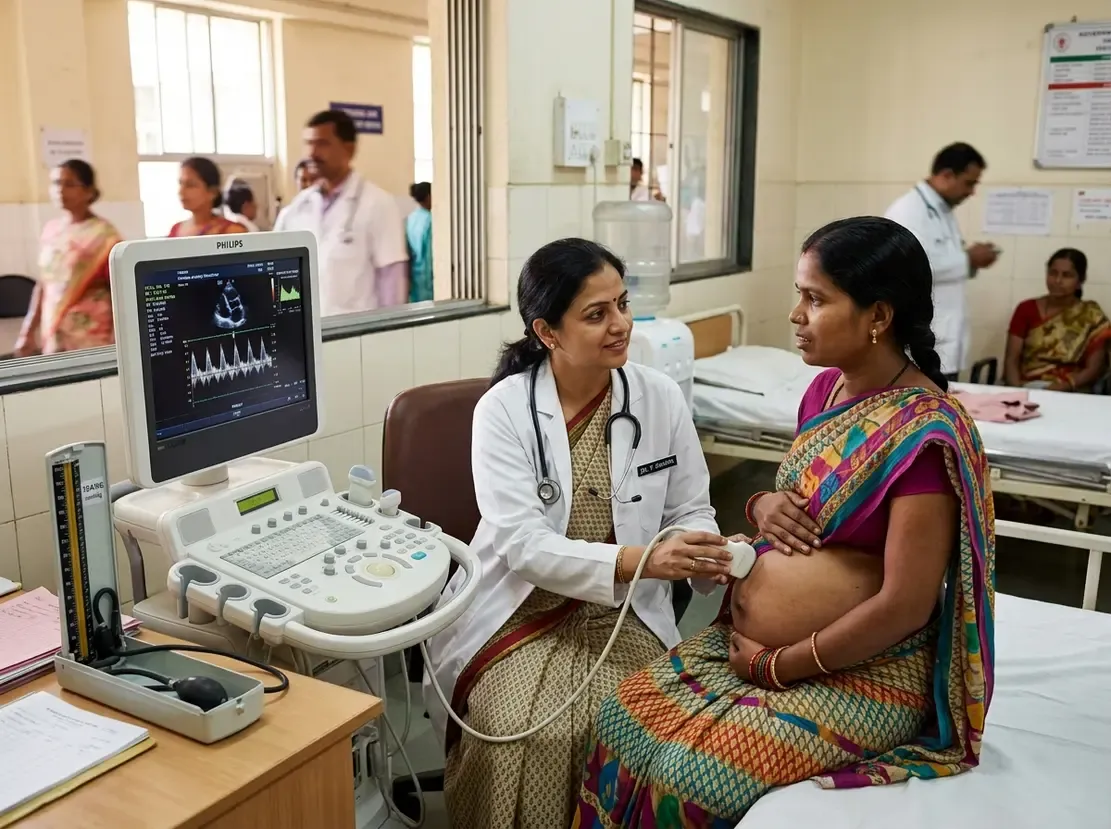
Pre-eclampsia remains a leading cause of maternal and perinatal morbidity worldwide. Clinicians now recognize that maternal cardiovascular function plays a central role in this complex disease. Historically, medical teams viewed pre-eclampsia primarily as a placental problem. However, modern research highlights profound maternal circulatory maladaptations. Therefore, assessing hemodynamics helps clinicians detect risk earlier and personalize therapies effectively.
Hemodynamic Phenotypes in Pre-Eclampsia
Recent investigations describe two distinct hemodynamic pathways in pre-eclampsia. Specifically, early-onset pre-eclampsia typically presents with low cardiac output and elevated systemic vascular resistance. This profile often restricts fetal growth and causes severe placental hypoperfusion. Consequently, these women face high risks of preterm delivery and adverse outcomes. In contrast, women with late-onset pre-eclampsia usually exhibit high cardiac output with normal or high plasma volume. Furthermore, their babies often show normal or elevated birth weights. Thus, maternal cardiovascular function manifests differently across clinical presentations.
Evaluating Maternal Cardiovascular Function Non-Invasively
Technological innovations now provide safe, non-invasive methods to assess maternal hemodynamics. For example, clinicians can readily evaluate cardiac output, stroke volume, and arterial stiffness at the bedside. In addition, these non-invasive monitors identify subclinical vascular changes well before hypertension or proteinuria appear. Clinicians can track longitudinal hemodynamic adaptations throughout pregnancy with serial assessments. As a result, early detection allows prompt clinical review before severe complications occur. Moreover, understanding these parameters shifts the clinical focus from reactive crisis control to proactive maternal care.
Targeted Antihypertensive Therapy and Clinical Care
Standard blood pressure medications often yield unpredictable responses in pre-eclampsia. Because patients display varying cardiovascular profiles, a uniform treatment approach frequently fails. For instance, vasodilators benefit patients who show elevated systemic vascular resistance and vasoconstriction. Conversely, drugs that decrease cardiac contractility may worsen outcomes in women with already reduced cardiac output. Therefore, tailored hemodynamic therapy helps clinicians choose the most appropriate agent for each patient. Consequently, this targeted strategy stabilizes maternal perfusion and lowers the danger of eclamptic seizures or stroke. Ultimately, integrating cardiovascular assessment into routine practice will prevent avoidable harm.
Frequently Asked Questions
Q1: Why does maternal cardiovascular function differ between early and late pre-eclampsia?
Early pre-eclampsia typically stems from impaired trophoblast invasion and intense vasoconstriction, causing low cardiac output. In contrast, late pre-eclampsia often reflects maternal metabolic overload and cardiovascular strain with elevated cardiac output.
Q2: How does non-invasive hemodynamic testing improve patient management?
These tests measure cardiac output and vascular resistance directly. Therefore, physicians can prescribe targeted antihypertensive drugs rather than relying on trial-and-error prescribing.
Q3: When should clinicians consider assessing maternal hemodynamics?
Clinicians can initiate screening during early gestation in high-risk women. Furthermore, serial monitoring during the second trimester helps detect abnormal circulatory patterns prior to clinical hypertension.
References
- Foo FL et al. Pre-Eclampsia and Maternal Cardiovascular Function: Insights Into Pathophysiology and Care (Scientific Impact Paper No. 79). BJOG. 2026 Oct undefined. doi: 10.1111/1471-0528.70275. PMID: 42802572.
- Valensise H, Vasapollo B, Gagliardi G, Novelli GP. Early and late preeclampsia: two different maternal hemodynamic states in the latent phase of the disease. Hypertension. 2008;52(5):873-880. doi:10.1161/HYPERTENSIONAHA.108.117358.
- Thilaganathan B, Kalafat E. Cardiovascular System in Preeclampsia and Beyond. Hypertension. 2019;73(3):522-531. doi:10.1161/HYPERTENSIONAHA.118.11191.