Maternal Cardiovascular Function and Pre-eclampsia Risk
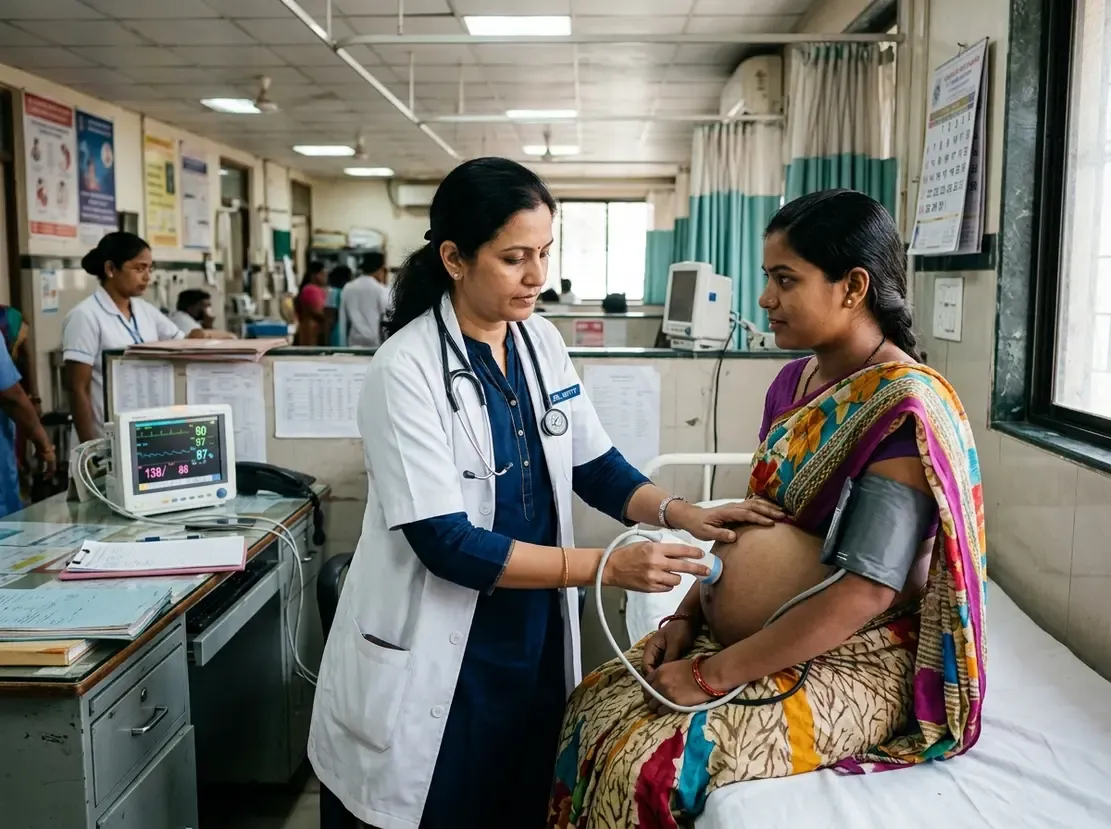
Pre-eclampsia remains a serious complication affecting pregnant women worldwide. Furthermore, abnormal maternal cardiovascular function plays a central role in this multi-system disorder. Clinicians traditionally diagnose pre-eclampsia by new-onset hypertension and proteinuria after twenty weeks of gestation. However, patients often show significant cardiovascular changes long before symptoms appear. Understanding maternal cardiovascular function allows clinicians to detect high-risk patients earlier. Consequently, timely interventions can prevent severe maternal and fetal complications.
Assessing Maternal Cardiovascular Function
Non-invasive diagnostic tools now evaluate hemodynamic performance safely during pregnancy. For example, clinicians can readily measure cardiac output and systemic vascular resistance at the bedside. In addition, these non-invasive devices monitor how maternal blood vessels adapt across gestation. Normal pregnancy requires marked systemic vasodilation alongside an increase in cardiac output. When these physiological adaptations fail, vascular resistance rises sharply. Therefore, serial cardiovascular assessments provide vital objective parameters for risk stratification.
Hemodynamic Phenotypes in Pre-Eclampsia
Research reveals two distinct hemodynamic phenotypes in pre-eclampsia. Specifically, early-onset pre-eclampsia typically features a low cardiac output and elevated peripheral vascular resistance. This low-output state frequently links to placental hypoperfusion and fetal growth restriction. In contrast, late-onset pre-eclampsia presents predominantly with high cardiac output and normal or mildly increased resistance. These mothers often deliver infants of normal or higher birth weight. Moreover, these disparate hemodynamic patterns explain why identical blood pressure medications produce conflicting maternal responses.
Targeted Antihypertensive Management
Standard treatment relies heavily on empiric antihypertensive regimens. However, targeted therapy based on maternal hemodynamics offers superior clinical control. A patient with severe vasoconstriction benefits most from direct vasodilators. Conversely, a patient with hyperdynamic circulation requires agents that lower cardiac output. Clinicians can thus tailor pharmacological therapy to restore vascular balance rapidly. As a result, targeted protocols help avoid severe complications like maternal stroke and eclampsia. Integrating non-invasive monitoring into routine clinical practice will ultimately modernize maternal care.
Frequently Asked Questions
Q1: Why do pregnant women with pre-eclampsia respond differently to the same blood pressure medication?
Individual patients exhibit different underlying hemodynamic mechanisms. Some patients show high systemic resistance with low cardiac output, whereas others present with elevated cardiac output. Consequently, specific medications target different cardiovascular pathways.
Q2: How does non-invasive hemodynamic testing assist obstetricians?
Non-invasive testing measures maternal cardiac output and vascular resistance directly at the bedside. Therefore, clinicians can identify maladaptive cardiovascular changes before classic hypertension develops.
Q3: What distinguishes early-onset from late-onset pre-eclampsia hemodynamics?
Early-onset pre-eclampsia typically involves low cardiac output and high vascular resistance, often leading to fetal growth restriction. In contrast, late-onset pre-eclampsia usually features high cardiac output and preserved fetal growth.
References
- Foo FL et al. Pre-Eclampsia and Maternal Cardiovascular Function: Insights Into Pathophysiology and Care (Scientific Impact Paper No. 79). BJOG. 2026 Oct undefined. doi: 10.1111/1471-0528.70275. PMID: 42802572.
- Mulder E, de Haas S, Mohseni Z, et al. Cardiac output and peripheral vascular resistance during normotensive and hypertensive pregnancy – a systematic review and meta-analysis. BJOG. 2022;129(5):696-707.
- Lees C, et al. Preeclampsia: Maternal cardiovascular function and optimising outcomes. Early Hum Dev. 2022;174:105669.