How to Build an Actionable Maternal Mental Health System
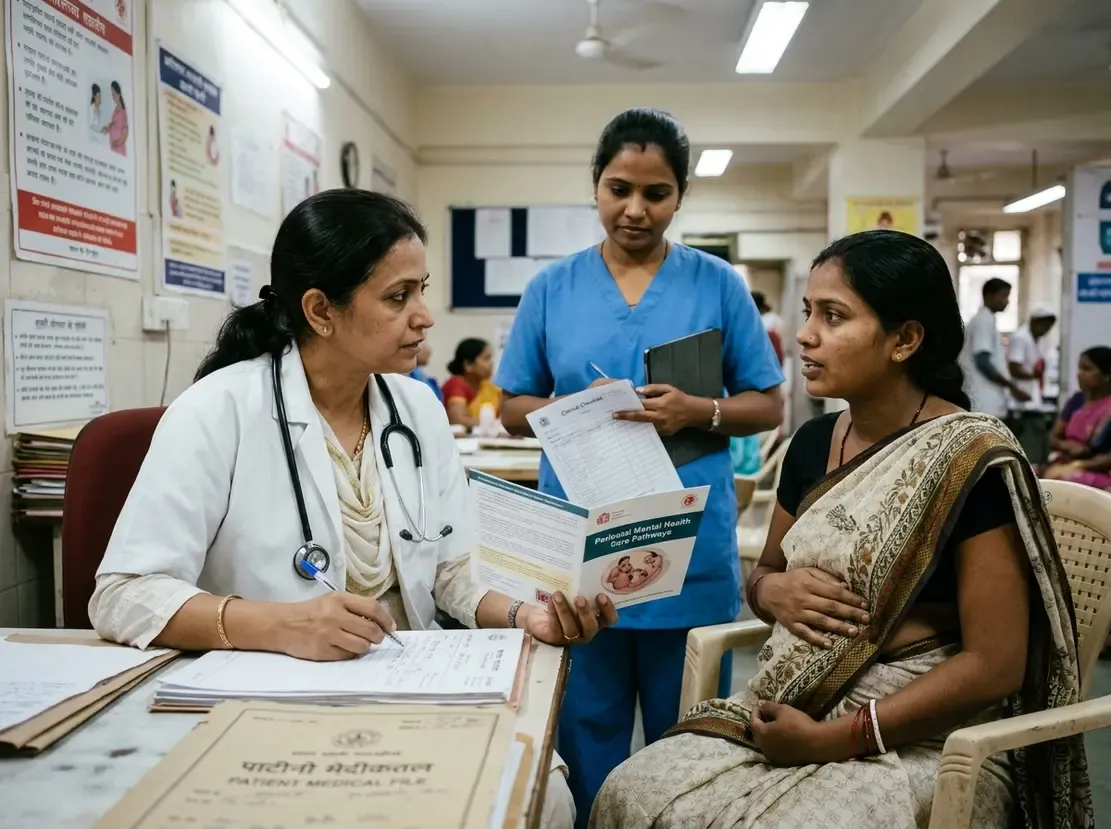
Perinatal psychiatric disorders affect up to one in five women globally. However, identifying these patients through standardized questionnaires represents only the first step. Clinicians increasingly recognize that effective maternal mental health care requires an integrated clinical pathway. Without clear referral protocols and multidisciplinary support, screening alone fails to improve patient outcomes.
The Limitations of Isolated Perinatal Screening
Routine screening tools like the Edinburgh Postnatal Depression Scale identify symptoms effectively. However, positive screens often lead to dead ends when referral networks do not exist. Furthermore, obstetric providers frequently lack the psychiatric training needed to initiate evidence-based medical therapies. Consequently, many symptomatic mothers continue to suffer without adequate clinical intervention. In addition, fragmented electronic health records hinder seamless communication between obstetricians, pediatricians, and psychiatrists. Therefore, healthcare facilities must move beyond passive detection and build coordinated care ecosystems.
Integrating Maternal Mental Health Care into Clinical Workflows
A functional care model combines routine screening with immediate psychiatric consultation and longitudinal follow-up. For example, collaborative care models embed behavioral health care managers directly inside antenatal and pediatric clinics. These specialists deliver targeted psychotherapy, track symptom response, and coordinate with consulting psychiatrists. Additionally, pediatric visits provide vital touchpoints to assess maternal emotional well-being during the critical first year. As a result, healthcare teams identify relapses early and adjust treatment plans proactively. Moreover, structured digital navigation tools can connect high-risk mothers with local community resources and peer support groups.
Key Clinical Strategies for Health Systems
Clinicians can establish actionable protocols to transform maternal health delivery within their institutions. First, hospitals must implement standardized stepped-care algorithms to guide pharmacotherapy and psychosocial support. Next, obstetric departments should build dedicated psychiatric liaison channels for urgent case evaluations. Furthermore, healthcare networks must provide ongoing perinatal psychiatry education for front-line nursing and medical staff. Consequently, providers gain confidence in discussing stigma-laden symptoms and managing mild-to-moderate depression. Ultimately, closing systemic care gaps ensures that vulnerable mothers receive timely, life-saving psychiatric care.
Frequently Asked Questions
Q1: Why is screening alone insufficient for maternal depression?
Screening identifies distress but does not provide therapy. Without structured referral pathways and treatment resources, patients remain untreated despite positive screening scores.
Q2: What is the collaborative care model in perinatal psychiatry?
This model integrates behavioral health managers into primary and obstetric practices. These clinicians provide evidence-based therapy and consult psychiatrists to optimize patient care.
Q3: When should clinicians screen mothers for perinatal mood disorders?
Clinicians should screen women during routine antenatal visits and throughout the postpartum period. Pediatric well-child visits also offer crucial screening opportunities.
References
- Choi S et al. Beyond Screening-Building a Maternal Mental Health Care System. JAMA. 2026 Nov 11. doi: 10.1001/jama.2026.21767. PMID: 43013318.
- World Health Organization. WHO guide for integration of perinatal mental health in maternal and child health services. Geneva: World Health Organization; 2022.
- American College of Obstetricians and Gynecologists. Clinical Guidance on Screening and Management of Perinatal Depression and Anxiety. Obstet Gynecol. 2023;141(6):1232-1245.