
Introduction to Prenatal Wellness
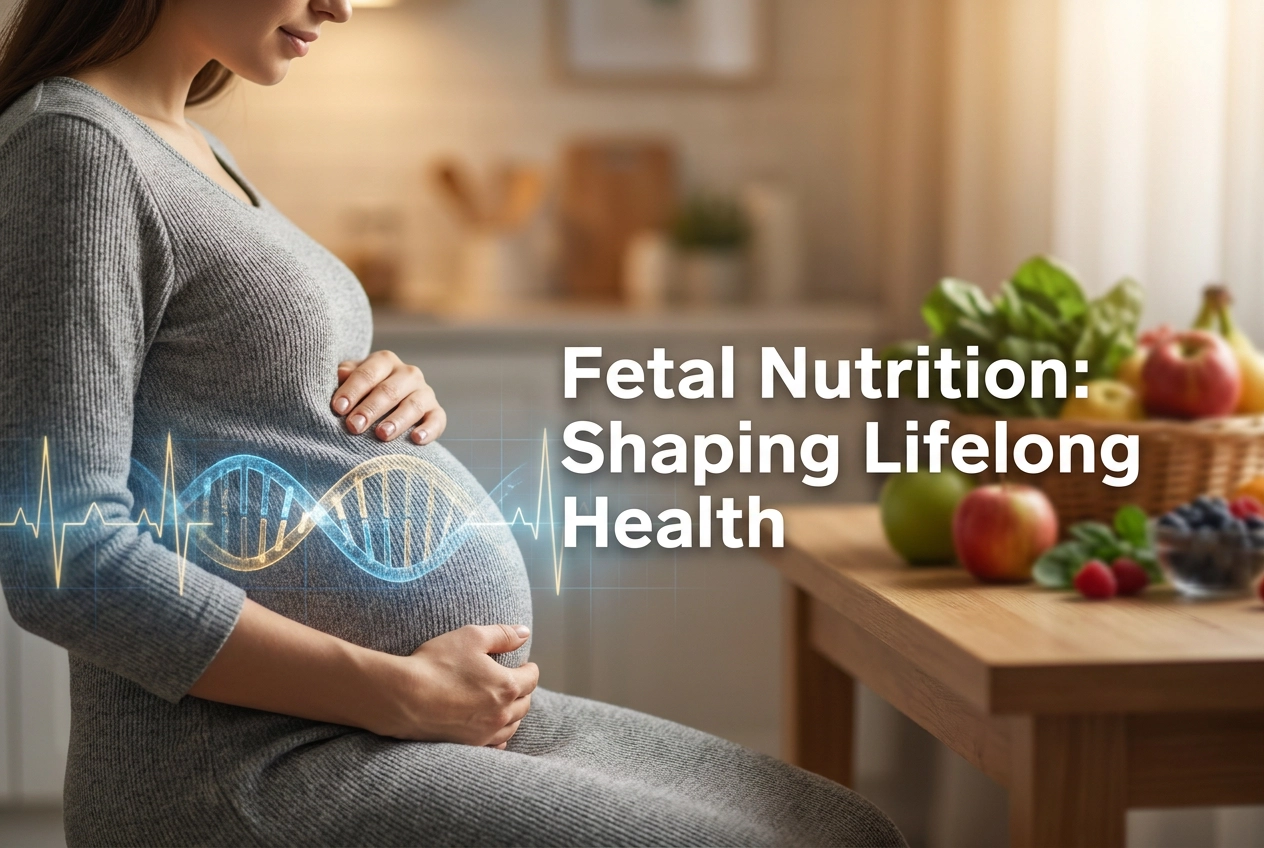
Maternal health serves as the absolute foundation for a healthy society. Recent medical data confirms that maternal nutrition and NCDs are profoundly interconnected through a process known as fetal programming. When a pregnant woman experiences significant nutritional deficiencies, the developing fetus adapts by altering its metabolic processes to survive. Unfortunately, these physiological changes often lead to a much higher risk of chronic conditions during adulthood. Consequently, healthcare providers in India now emphasize the importance of early intervention to break the cycle of intergenerational malnutrition. Those looking to enhance their skills in women’s health may find the Post Graduate Program In Obstetrics beneficial.
Understanding Fetal Metabolic Programming
The first 1,000 days of life represent a critical window for physical and neurological development. This period, spanning from conception to a child’s second birthday, effectively programs the body’s future metabolism based on the available nutrients. For instance, poor nutrition during pregnancy increases a child’s susceptibility to insulin resistance and type 2 diabetes later in life. Furthermore, these metabolic shifts can eventually lead to chronic hypertension and cardiovascular diseases. Experts refer to this trend as a silent emergency because the symptoms often manifest many years after the initial nutritional insult. Understanding how metabolic issues develop in the young is crucial, which is why the Certification Course In Healthy Child is highly relevant for preventative care.
Climate Change and Nutritional Security
Climate change has emerged as a major structural driver of malnutrition across the Indian subcontinent. Specifically, environmental shocks like droughts and heat stress reduce dietary diversity among the most vulnerable populations. Because food prices often rise during these crises, pregnant women in tribal and rural areas face significant food insecurity. This lack of essential nutrients disproportionately affects the health trajectory of the unborn child. Therefore, doctors and policy experts view maternal health protection as an essential climate adaptation strategy for the modern healthcare system.
Long-term Impact of Maternal Nutrition and NCDs
The clear connection between maternal nutrition and NCDs is visible in the growing number of children diagnosed with typically adult illnesses. Conditions such as asthma, obesity, and congenital heart disease are becoming increasingly prevalent among Indian youth today. However, simple and cost-effective nutritional interventions during pregnancy can significantly mitigate these risks. Strengthening maternal health services ensures that every child receives the healthiest possible start in life regardless of environmental stress. Professionals focused on long-term metabolic health can benefit greatly from specialized training in Master Specialization In Diabetes Mellitus Management.
Frequently Asked Questions
Q1: How does poor nutrition during pregnancy influence the future health of a child?
Inadequate maternal nutrition during the prenatal phase programs the fetal metabolism for higher susceptibility to chronic diseases like diabetes, hypertension, and obesity in adulthood.
Q2: Why is the first 1,000 days concept critical for NCD prevention?
The first 1,000 days is a unique window where nutrition and caregiving shape brain development and long-term metabolic health, offering a chance to prevent non-communicable diseases before they start.
Q3: How does climate change specifically impact maternal nutrition in India?
Environmental stressors like heatwaves and droughts reduce the availability of diverse foods and increase prices, which leads to food insecurity for pregnant women, particularly in climate-vulnerable communities.
References
- Lack of nutrition affects growth of foetuses, increases risk of lifelongdiseases later: Experts – ETHealthworld
- UNICEF India. (2024). Impact of Climate Change and Environmental Sustainability on Nutrition Programme Note.
- Frontiers in Endocrinology. (2023). Maternal Nutrition and Offspring Stress Response—Implications for NCDs in India.
Disclaimer: This article was automatically generated from publicly available sources and is provided for informational and educational purposes only. OC Academy does not exercise editorial control or claim authorship over this content. It is not a substitute for professional medical advice, diagnosis, or treatment. Always consult a qualified healthcare provider and refer to current local and national clinical guidelines.