Assam Model Cuts Maternal Sepsis Deaths from 21% to 8%
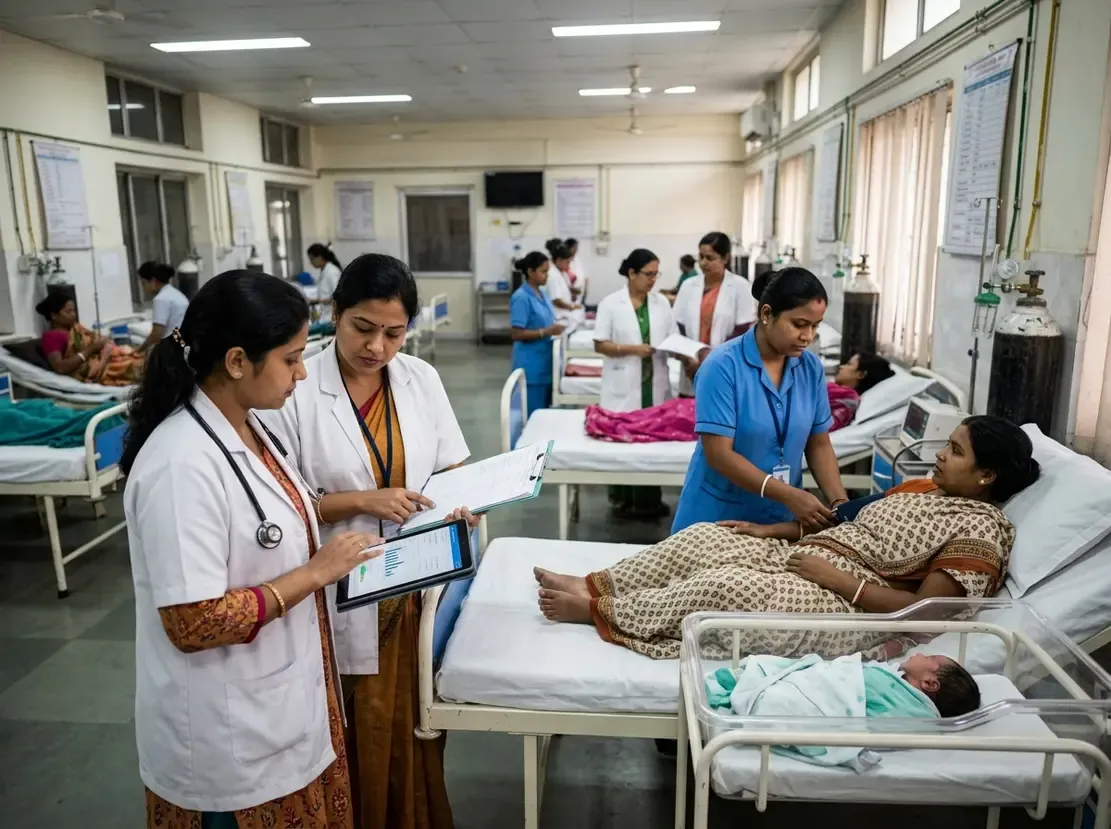
Assam has achieved a remarkable public health milestone by significantly lowering sepsis-related maternal mortality within three months. Recent health department data reveals that maternal deaths due to sepsis plummeted from 21% in July to 8% in October. Consequently, this sharp 13 percentage point decline highlights the clinical value of structured maternal sepsis prevention protocols. The Central government has now invited Assam to share its infection-control framework with other high-burden states. Therefore, healthcare providers across India must examine the practical interventions that drove this rapid improvement.
Strengthening Maternal Sepsis Prevention Across Facilities
Maternal sepsis remains a life-threatening obstetric complication characterized by infection-induced organ dysfunction during pregnancy, childbirth, or puerperium. To counter this threat, the Assam health department introduced rigorous Standard Operating Procedures (SOPs) across public facilities. In addition, health officials launched these clinical guidelines during the State Convention on Maternal and Infant Mortality Reduction in Dibrugarh. These protocols specifically target high-risk zones including labour rooms, maternity operation theatres, and postnatal wards. Furthermore, Special Newborn Care Units and Newborn Stabilisation Units strictly adhere to these standardized measures. Clinicians and nursing teams now execute uniform hygiene bundles before, during, and after every delivery. As a result, facility-acquired pathogenic transmission has declined sharply across tertiary and district hospitals.
Real-Time Digital Surveillance and Quality Assurance
Accountability and surveillance serve as the cornerstone of Assam's infection-control success. Specifically, the state deployed the Infection Prevention and Control Mechanism (IPCM) portal to track compliance across all delivery points. This digital platform monitors daily labour room cleaning through photographic documentation. Moreover, facility technicians submit geo-tagged photographs to authenticate autoclave quality control cycles. Hospital Infection Control Committees also log routine microbial surveillance data directly onto the central portal. Thus, health administrators can instantly identify hygiene lapses and initiate rapid corrective interventions. In effect, continuous digital surveillance transforms passive protocols into proactive, auditable clinical habits.
Key Takeaways for Healthcare Teams and Systems
The rapid turnaround in Assam underscores that behavioral compliance and administrative oversight can curtail obstetric sepsis. Healthcare workers, including obstetricians, nurses, and National Health Mission staff, demonstrated dedicated adherence to disinfection protocols. Additionally, standardizing labour ward sanitation directly protects vulnerable mothers during the critical postpartum window. Early detection of maternal distress combined with prompt antimicrobial therapy remains essential for optimal outcomes. However, institutional hygiene and digital validation prevent infections before they progress to life-threatening sepsis. As other Indian states replicate this framework, institutionalizing transparent audit systems will remain vital for reducing maternal deaths nationwide.
Frequently Asked Questions
Q1: What led to the significant drop in maternal sepsis deaths in Assam?
The drop resulted from implementing strict standard operating procedures, mandatory cleaning protocols, and real-time digital monitoring through the IPCM portal.
Q2: How does the IPCM portal verify hospital infection control practices?
The portal verifies compliance through time-stamped cleaning photographs, geo-tagged autoclave sterilization records, and regular microbial surveillance reports.
Q3: Why is maternal sepsis prevention critical in obstetric care?
Maternal sepsis causes rapid organ failure and death if undetected; therefore, proactive facility hygiene and early clinical intervention save lives.
References
- Assam cuts sepsis share of maternal deaths from 21% to 8% in three months;Centre invites state to share model - ETHealthworld
- World Health Organization. Maternal sepsis: Definition, identification, and management. Geneva: WHO; 2017.
- Ministry of Health and Family Welfare, Government of India. National Guidelines for Infection Prevention and Control in Healthcare Facilities. New Delhi: MoHFW; 2020.