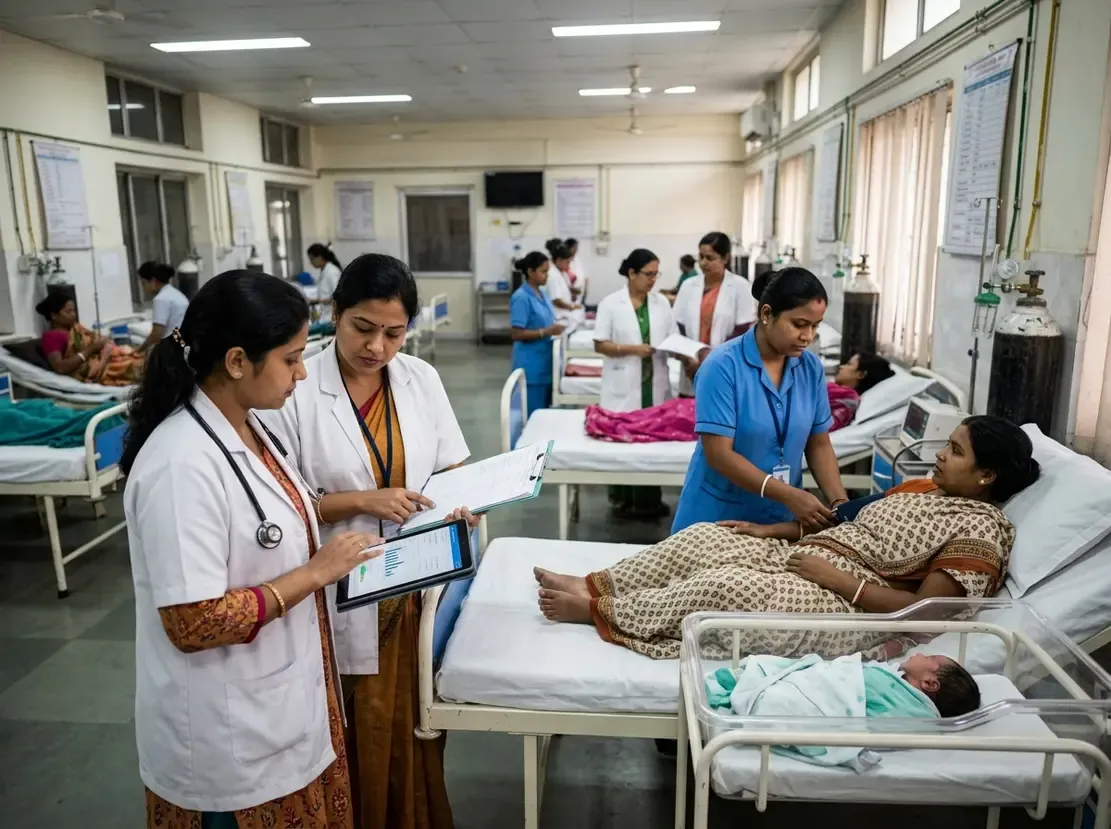
Why Hospitals and Insurers Must Build Strong Alliances
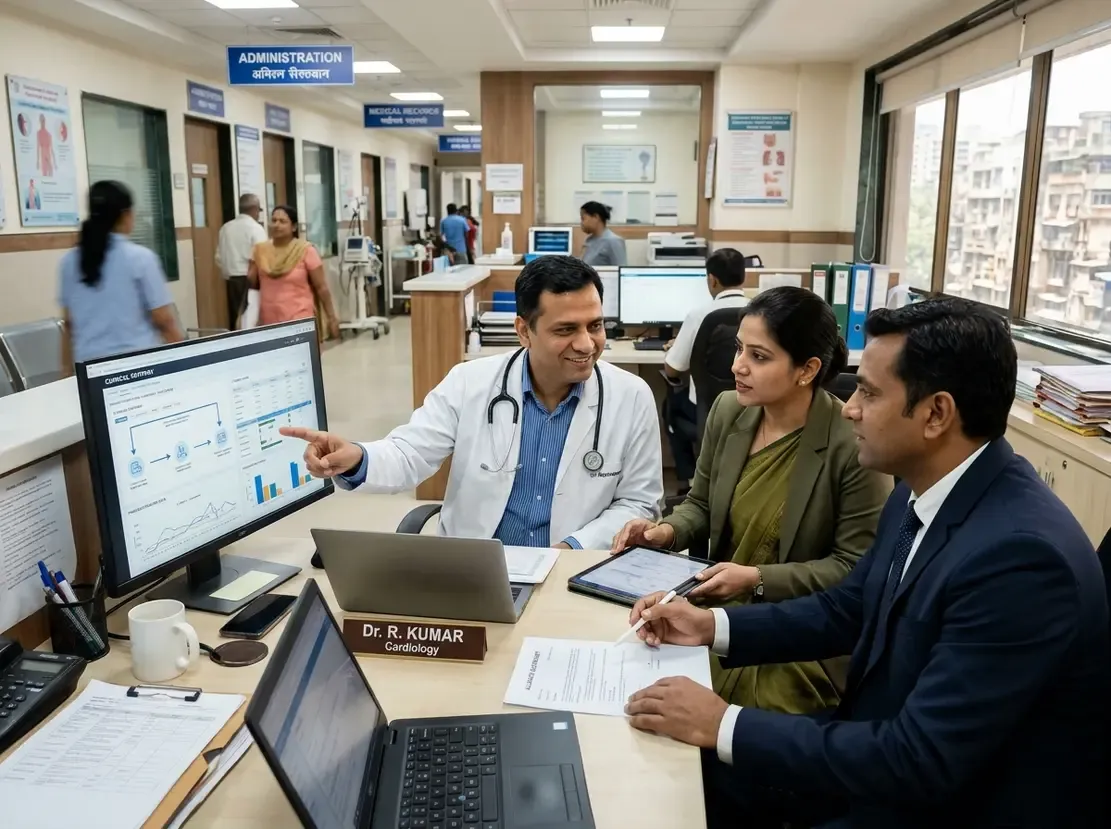
Effective healthcare delivery requires seamless synergy across the medical ecosystem. Therefore, strong payer-provider collaboration has become vital for modern clinical practice in India. Historically, hospitals and health insurers maintained a purely transactional relationship. However, rising healthcare complexity now demands a genuine clinical and operational partnership. When clinicians and insurers align their operational objectives, patient care improves dramatically. Consequently, administrative friction decreases, and healthcare expenditure remains financially sustainable over the long term.
Why Payer-Provider Collaboration Matters for Clinical Outcomes
Both hospitals and health insurers share an overarching objective: superior patient outcomes. Providers deliver evidence-based clinical interventions to cure illness. Simultaneously, insurers protect patients from catastrophic health expenses. When these entities communicate regularly, discussions move beyond mere cost containment. Furthermore, this clinical alignment supports early disease detection and structured post-discharge follow-up. For example, joint clinical pathways help reduce avoidable surgical complications and hospital readmissions. Clinicians can deliver timely treatment without facing unwarranted claim denials. As a result, patients enjoy better health while medical systems optimize resource utilization.
Standardizing Evidence-Based Care and Transparent Pathways
Clinical ambiguity frequently triggers disputes between medical teams and insurance claim reviewers. Therefore, medical societies and insurers must establish standardized treatment protocols. Transparent guidelines offer clinicians predictable claim approvals while respecting legitimate clinical judgement. In addition, transparent communication mitigates severe emotional distress for hospitalized patients and their families. Patients must always understand treatment rationales, estimated expenses, and policy coverage boundaries. Consequently, shared clinical guidelines foster trust among all healthcare stakeholders. This collective consensus ensures appropriate patient care rather than unnecessary interventions or aggressive cost-cutting.
Digital Integration and Streamlined Cashless Operations
Administrative overhead currently places substantial strain on hospital billing desks and clinicians. Fortunately, nationwide digital reforms are revolutionizing this operational landscape. For instance, the National Health Claims Exchange standardizes claim data exchange between providers and payers. Similarly, regulatory directives from insurance authorities mandate rapid pre-authorisation and discharge processing. Automated digital integration allows health systems to eliminate manual claim submissions and repetitive paperwork. Moreover, seamless back-end data sharing shields sick patients from acting as financial intermediaries. Clinicians can focus entirely on bedside healing rather than tracking administrative approvals.
Extending Care Beyond Episodic Hospitalisation
Modern healthcare delivery extends far beyond acute hospital wards. Indeed, managing chronic conditions like cardiovascular disease, diabetes, and cancer requires long-term intervention. Payers and hospitals must collaborate to offer comprehensive disease management programs. For example, preventive health screenings, teleconsultations, and remote patient monitoring prevent severe clinical deterioration. In addition, hospitals possess vital clinical insights, whereas insurers analyze broad population health patterns. By merging these distinct datasets responsibly, stakeholders can identify high-risk individuals proactively. Ultimately, healthcare financing shifts from episodic sick care toward sustained, lifetime wellness.
Frequently Asked Questions
Q1: How does payer-provider collaboration benefit practicing doctors in India?
This collaboration establishes clear clinical protocols and standardizes claim adjudication. Consequently, clinicians encounter fewer administrative queries, experience faster cashless approvals, and maintain clinical autonomy.
Q2: What role does the National Health Claims Exchange play in hospital workflows?
The National Health Claims Exchange provides a unified digital channel for claim interchange. Therefore, hospital desks exchange structured data instantly instead of navigating fragmented payer portals.
Q3: Why is continuous chronic disease management essential for health insurers?
Continuous chronic disease management detects complications early and prevents emergency hospital admissions. As a result, patient longevity improves while insurers experience lower acute claim expenditures.
References
- Healthcare needs stronger partnerships between hospitals and insurers - ETHealthworld
- Insurance Regulatory and Development Authority of India (IRDAI) - Master Circular on Health Insurance Business (Cashless Authorisation and Timelines)
- National Health Authority (NHA) & IRDAI - National Health Claims Exchange (NHCX) Operational Guidelines under ABDM