
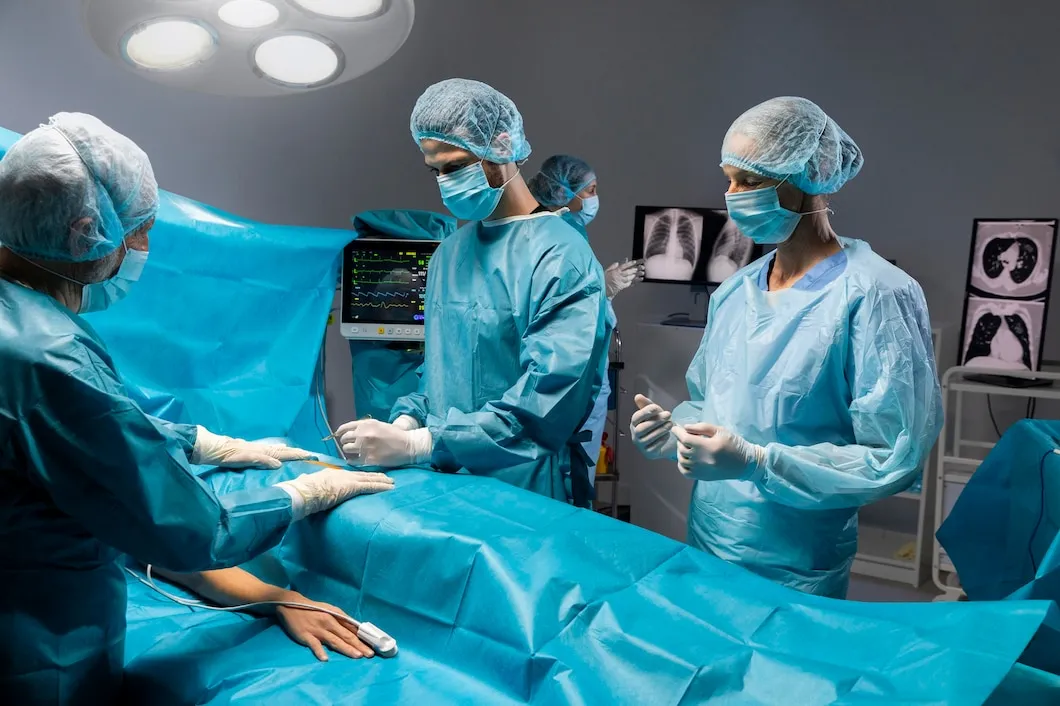
Surgery has long been regarded as one of the most challenging and respected disciplines in medicine. In India, the decision to transition from an MBBS to a Master of Surgery (MS) signifies determination to learn advanced operative skills, manage complex clinical scenarios, and take on the high-responsibility role of a surgical specialist. For many, MS General Surgery is not the endpoint but a gateway to further sub-specialisation and academic leadership.
The journey demands clarity on several fronts: understanding the MS surgery duration and cost, mapping the pathway of how to become a surgeon after MBBS, and recognising the career milestones that lie ahead. This article examines these elements in depth, with an emphasis on the realities of surgical training and professional progression in India and abroad.
Understanding the MS in General Surgery
What is MS Surgery?
The MS in General Surgery is a postgraduate degree that builds on the foundations laid during MBBS, focusing on operative principles, perioperative care, and the long-term management of surgical patients. The discipline encompasses a wide range of operative domains from gastrointestinal and hepatobiliary surgery to trauma, endocrine, vascular, and oncological interventions.
Whereas MS Surgery produces competent general surgeons capable of independent practice, some graduates opt for further super-specialisation through MCh or DNB-SS programmes, which provide deeper expertise in narrow surgical fields such as cardiothoracic surgery, neurosurgery, or urology.
Eligibility and Entry Requirements
Candidates must hold an MBBS degree recognised by the National Medical Commission (NMC) and have completed the one-year compulsory rotatory internship. Permanent registration with the NMC or a State Medical Council is mandatory. Admission into MS programmes is via competitive entrance examinations, most notably the NEET-PG for the majority of Indian institutions, and INI-CET for select centres of national importance like AIIMS, PGIMER, and JIPMER.
MS Surgery Duration and Training Structure
Course Duration
The MS Surgery programme in India is typically 3 years in length, pursued on a full-time basis. These years are intensive, with a blend of clinical service, operative exposure, and structured academic learning.
Academic and Clinical Framework
Training spans core surgical specialities, including general surgery, trauma, gastrointestinal surgery, urology, and vascular surgery. Rotations in allied specialities like anaesthesia, critical care, and oncology are incorporated to cultivate multidisciplinary ability.
Beyond technical skills, the curriculum addresses surgical ethics, medico-legal issues, patient communication, and research methodology. Candidates are required to undertake a dissertation or thesis, contributing original research to the field. This balance of applied surgical practice and intellectual rigour equips the graduates for varied career options.
Cost of Pursuing MS Surgery in India
Government Medical Colleges
In government institutions, tuition fees are heavily subsidised, typically a few tens of thousands of rupees per year, with nominal additional charges for examinations and hostel facilities. Subsidised accommodation and meals are often available, and stipends help offset living expenses. Fee structures vary slightly across states and institutions, so it is advisable to check the latest official notifications.
Private Medical Colleges
Private colleges involve a much greater financial expenditure, with the overall 3-year course costs often between ₹20 lakh and ₹70+ lakh, and even more in some instances, depending on where the college is located, its ranking, and infrastructure. Additional expenses typically include surgical instruments, textbooks, examination fees, and accommodation.
Stipends and Financial Support
In most government colleges, trainees receive a monthly stipend, commonly in the ₹50,000 to ₹90,000 range, although exact amounts vary by state and institution. Private colleges tend to provide lower stipends or, in some cases, none at all. Several states enforce service bonds after postgraduate training, which may require 1 to 3 years of service in designated rural or underserved areas or involve monetary penalties. Scholarships, government schemes, and educational loans are available but require advance planning.
How to Become a Surgeon After MBBS
The pathway begins with securing a competitive rank in NEET-PG or INI-CET. These exams assess clinical knowledge, diagnostic reasoning, and subject-specific aptitude. Following the examination, a centralised counselling process allocates seats based on rank, category, and preference.
Potential candidates would do well to focus on the hospital’s operating case load, faculty specialisation, exposure to newer and more sophisticated surgical techniques, and research opportunities when selecting a training institution. Choosing an environment that aligns with one’s intended career trajectory, whether academic, sub-specialist, or general surgical practice, is essential.
Surgical Specialities After MBBS and MS
Core Surgical Fields
The MS in General Surgery qualifies a doctor for broad-based surgical practice, but many choose to remain within the general surgery domain, managing gastrointestinal, endocrine, vascular, and trauma cases. Others transition into orthopaedics, obstetrics and gynaecology, or otorhinolaryngology through separate postgraduate routes.
Super-Specialisation Opportunities
Post-MS super-specialisations through MCh or DNB-SS include cardiothoracic and vascular surgery, neurosurgery, plastic and reconstructive surgery, urology, and surgical gastroenterology. These advanced programmes typically require a full-time, three-year commitment following MS.
For those not yet pursuing a residency or looking to enhance their knowledge base, neurosurgery, a highly competitive super-speciality, can also be explored through flexible academic routes such as an online MSc in Neurosurgery from UK institutions, enabling skill advancement while maintaining ongoing clinical responsibilities. Those seeking a shorter commitment may consider a postgraduate diploma course in neurosurgery, designed to cover core operative and perioperative principles in a condensed, academically rigorous format. While such academic programmes can strengthen foundational knowledge and surgical perspective, they are not substitutes for a formal surgical residency or super-speciality degree.
For surgeons wishing to broaden or deepen their operative scope, structured online surgery courses can provide targeted academic enrichment alongside clinical work. These programmes, such as those in the surgery specialities offered through OC Academy, allow practising doctors to update skills in line with global standards while continuing their professional duties.
Fellowships and International Training
Fellowship programmes in India provide focused training in areas such as laparoscopic surgery, surgical oncology, and trauma surgery. Options such as the Clinical Fellowship in Surgery with MRCS Training, available via OC Academy, can complement hands-on surgical work with academic depth and exposure to updated operative techniques. Internationally, qualifications such as MRCS and FRCS open pathways to surgical careers in the UK, while USMLE facilitates entry into US-based residency and fellowship programmes. For doctors seeking greater flexibility, online postgraduate courses from UK universities offer structured surgical education alongside ongoing clinical practice in India.
Career as a Surgeon: Pathways and Progression
Practice Settings
Graduates may serve in government hospitals, where the focus often lies on high-volume, complex cases and public service, or in corporate hospitals, where access to advanced technology and specialised teams is greater. Private practice offers autonomy but demands strong professional networks and business acumen.
MS Surgery Career Progression
A typical clinical career path advances from junior consultant to consultant surgeon, senior consultant, and finally head of department. In academic institutions, the progression is from assistant professor to professor, often with parallel roles in research and medical education.
Job Market Considerations
Demand for surgical specialists in India is driven by the expansion of tertiary care centres, medical tourism, and the increasing prevalence of lifestyle-related conditions requiring operative intervention. Rural areas provide opportunities for generalists, while resources could be scarce.
Skills and Attributes for Surgical Success
Surgical excellence demands not only technical proficiency but also decision-making under pressure, adaptability, and resilience. Manual dexterity, spatial awareness, and sustained concentration are essential in the operating theatre. Equally important are communication skills, empathy, and the ability to lead multidisciplinary teams. Continuous learning through meetings, seminars, and speciality education is vital in an area where technology and methods are continuously updated.
Challenges and Realities of Surgical Practice
Surgery may be emotionally and physically demanding. Long hours, emergency calls, and the need for immediate, high-stakes decision-making are intrinsic to the role. Medico-legal risks, particularly in complex or high-mortality cases, require careful documentation and adherence to best practice standards. The emotional toll of adverse outcomes must be balanced with professional resilience and support networks.
Conclusion
The choice to obtain an MS in General Surgery is both personal and professional. It requires careful consideration of the training needed, the financial investment, and the realities of a surgical career. The benefits are high, the chance to intervene effectively in life-threatening situations, restore health, and work towards surgical innovation, but so are the challenges.
For those committed to the discipline, the MS degree unlocks wide-ranging opportunities, ranging from general surgical practice to highly specialised operative fields, academic leadership, and global career opportunities. A well-planned pathway, informed by clinical interests and realistic career goals, ensures that the years invested in training translate into a fulfilling, sustainable career as a surgeon.
Frequently Asked Questions (FAQs)
1. What is the typical duration of MS in General Surgery in India?
The MS General Surgery is usually a three-year, full-time postgraduate program. It involves extensive clinical exposure, surgical training, and classroom learning, often supplemented by research work and a dissertation.
2. How competitive is admission to MS General Surgery?
Admission is highly competitive, as seats are limited and demand is strong. Candidates must achieve a high rank in national-level entrance exams such as NEET-PG or INI-CET, with selection influenced by rank, category, and preference during centralised counselling.
3. Can an MS in General Surgery lead to further specialisation?
Yes. Many graduates choose to pursue super-specialisations such as MCh or DNB-SS in areas like neurosurgery, cardiothoracic surgery, or surgical gastroenterology. These advanced programmes typically require three additional years of focused training.
4. What factors should be considered when selecting an MS training institution?
Potential applicants need to evaluate the institution’s surgical case load, faculty expertise, access to advanced operative technology, opportunities for multidisciplinary exposure, and research facilities before making a choice.
5. What are the main career paths after completing MS General Surgery
Graduates may work in government hospitals, corporate healthcare settings, private practice, or academic institutions. Career progression can lead to senior consultant or departmental leadership roles, with opportunities for further research, teaching, and sub-specialisation.