Over 3,100 Measles Cases Hit US: Why Clinicians Must Act
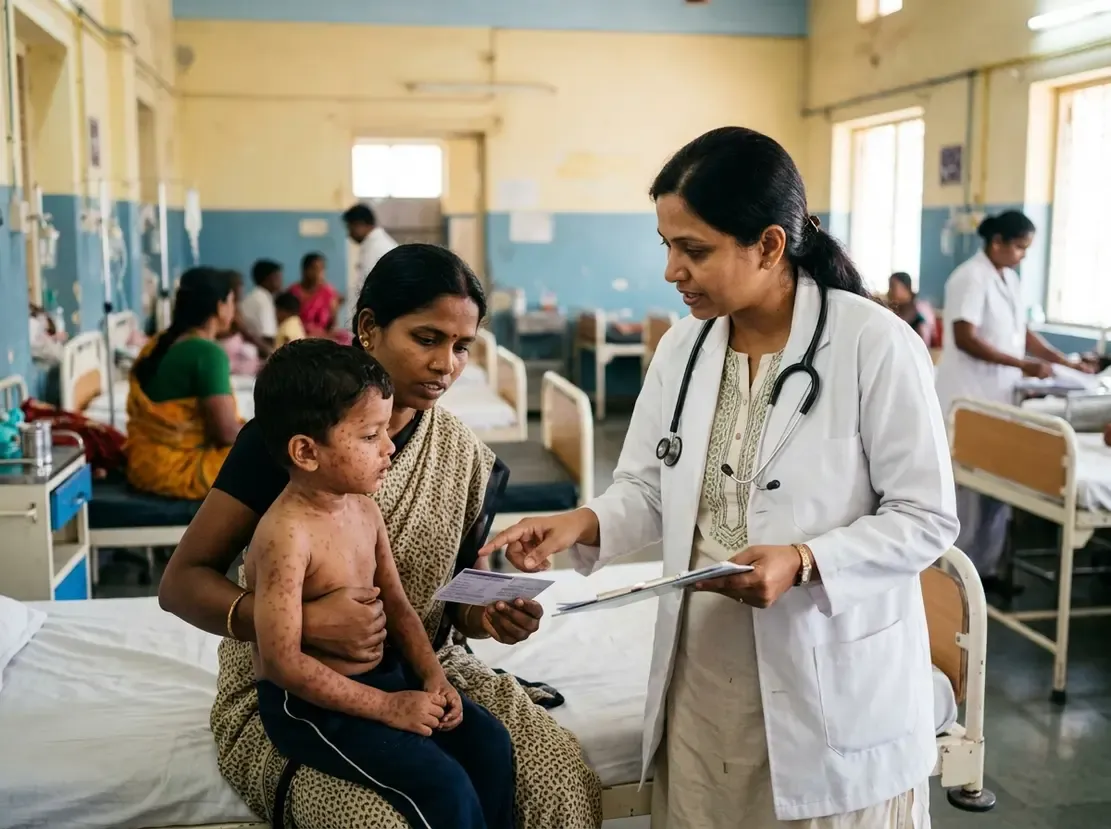
The United States is currently facing an unprecedented surge in measles cases 2026. This resurgence marks the highest annual infection count in over 35 years. Recent surveillance data from the CDC show that confirmed cases have surpassed 3,100 across 47 jurisdictions. In addition, health authorities have documented dozens of active outbreaks nationwide. Consequently, clinical teams face rising diagnostic challenges as community spread expands. Understanding these epidemiological trends helps healthcare providers recognize presenting symptoms promptly.
Epidemiological Drivers Behind Measles Cases 2026
Unvaccinated individuals account for approximately 94 percent of all reported infections this year. Furthermore, childhood MMR vaccination rates have declined steadily following the COVID-19 pandemic. This drop in immunization coverage has eroded community immunity across multiple regions. As a result, highly contagious measles transmissions now occur rapidly in vulnerable pockets. In fact, hospital admissions have already climbed past 240 cases. Therefore, clinicians must routinely assess immunization history during every pediatric and adolescent visit.
Clinical Presentation and Triage Protocols
Measles begins with a prodrome of high fever, coryza, cough, and conjunctivitis. Additionally, clinicians should inspect the oral cavity for pathognomonic Koplik spots before the maculopapular rash appears. The erythematous rash typically emerges on the face and spreads downward toward the extremities. However, atypical presentations can occasionally develop in immunocompromised patients. Because the virus spreads through respiratory aerosols, suspicious cases require immediate isolation in negative-pressure rooms. Moreover, healthcare workers must wear N95 respirators to prevent nosocomial transmission.
Public Health Implications and Preventive Action
The ongoing surge demonstrates that vaccine hesitancy carries substantial clinical risks for general populations. Similarly, global travel frequently introduces viral clusters into areas with suboptimal vaccination coverage. Pediatricians and general practitioners must counsel hesitant families on the proven safety of two-dose MMR regimens. Furthermore, health facilities should prepare rapid outbreak management protocols. Timely reporting to local surveillance agencies ensures effective contact tracing and post-exposure prophylaxis.
Frequently Asked Questions
Q1: Why are measles cases rising significantly in 2026?
The primary driver is the steady decline in childhood MMR vaccination rates following the COVID-19 pandemic. Consequently, approximately 94 percent of recent infections have occurred in unvaccinated individuals or people with unknown immunization records.
Q2: What are the early clinical symptoms of measles?
Early symptoms include high fever, cough, coryza, and conjunctivitis. In addition, patients often exhibit Koplik spots inside the buccal mucosa before the characteristic maculopapular rash appears.
Q3: How effective is the MMR vaccine against measles?
Two doses of the MMR vaccine provide approximately 97 percent effectiveness against measles infection. Therefore, public health authorities strongly recommend completing the full two-dose childhood schedule to sustain protective herd immunity.
References
- US CDC records more than 3,100 measles cases so far in 2026 - ETHealthworld
- Centers for Disease Control and Prevention. Measles Cases and Outbreaks. CDC; 2026.
- American Academy of Pediatrics. Red Book Online Outbreaks: Measles. AAP Publications; 2026.