
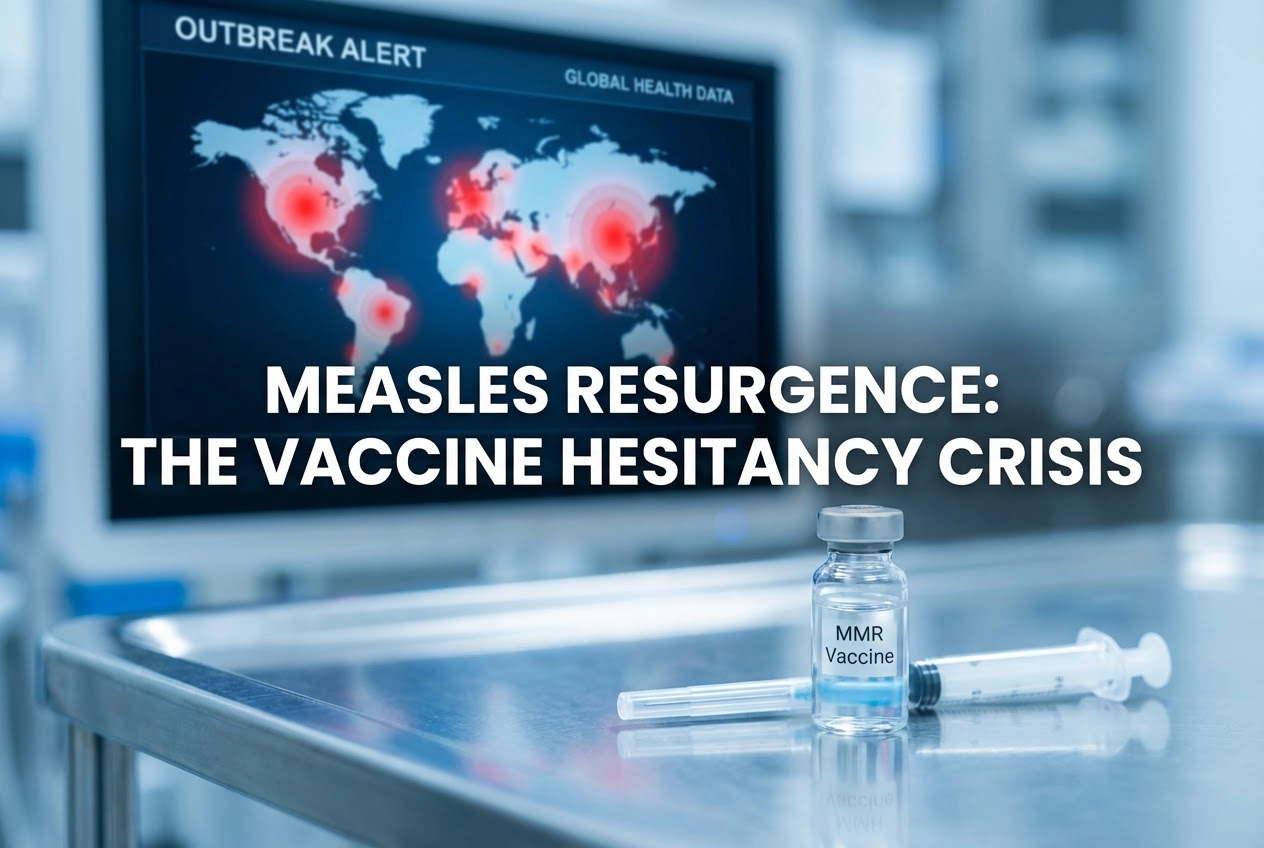
Measles vaccine hesitancy is currently fueling significant outbreaks across the globe, including a severe surge in the United States. In South Carolina, healthcare providers are facing an unprecedented challenge as immunisation rates fall below the critical 95% threshold. Consequently, doctors must now conduct outdoor triage to prevent the virus from spreading within clinical settings. This approach protects infants who are still too young for their first dose. Furthermore, medical staff at local clinics are working tirelessly to manage nearly a thousand cases. Because the virus is highly contagious, even small gaps in coverage can lead to widespread community transmission.
Medical professionals observe that misinformation on social media often drives the current decline in vaccination. For instance, many parents express concerns regarding long-debunked links between vaccines and developmental delays. Therefore, clinicians must engage in empathetic, evidence-based conversations to rebuild trust. Education remains the most powerful tool to counter these unproven theories. Additionally, doctors find that personal recommendations from trusted providers often outweigh political rhetoric. While the workload is heavy, persistent advocacy for routine immunization remains essential for public safety. Physicians seeking to enhance their skills in managing public health challenges like this can benefit from a Certification Course In General Practice.
The Impact of Measles Vaccine Hesitancy
When community immunity drops, highly contagious viruses like measles spread rapidly. This situation places a heavy burden on the healthcare system and endangers vulnerable populations. Furthermore, political shifts toward medical freedom have complicated public health efforts. Nevertheless, the MMR vaccine remains the gold standard for preventing these dangerous outbreaks. Health experts emphasize that two doses are nearly 97% effective at preventing the disease. Because the virus can linger in the air for hours, high vaccination rates are the only reliable defense.
Many parents have unfortunately lost their fear of this serious disease due to its previous rarity. Consequently, they may view vaccines as optional rather than life-saving interventions. Doctors are now seeing families who refuse testing even when symptoms are present. This behavior complicates data collection and delays necessary quarantine measures. However, medical educators continue to highlight the risks of hospitalization and long-term complications. By addressing concerns directly, providers can help parents make informed decisions for their children’s health. Training in areas related to child health is crucial for these encounters, such as the Certification Course In Paediatrics.
Frequently Asked Questions
Q1: Why is 95% vaccination coverage important for measles?
This specific level of coverage creates herd immunity. It effectively stops the virus from spreading and protects individuals who cannot be vaccinated for medical reasons.
Q2: When should children receive the MMR vaccine according to standard protocols?
The standard protocol involves a first dose at 12 months of age. A second dose is then administered between 4 and 6 years of age to ensure full protection. Understanding the developmental stages and immunization schedules is key for professionals, perhaps through the Certification Course In Healthy Child.
Q3: How long can the measles virus survive in the air?
Measles is extremely resilient and can linger in the air for up to two hours after an infected person has left the room.
References
- Doctors bear the burden as ‘medical freedom’ fuels worst US measles outbreak in 30 years – ETHealthworld
- World Health Organization: Measles Fact Sheet
- Centers for Disease Control and Prevention: Global Measles Outbreaks and Prevention
Disclaimer: This article was automatically generated from publicly available sources and is provided for informational and educational purposes only. OC Academy does not exercise editorial control or claim authorship over this content. It is not a substitute for professional medical advice, diagnosis, or treatment. Always consult a qualified healthcare provider and refer to current local and national clinical guidelines.